Introduction: Property Taxes and Their Role in Homeownership
Property taxes represent one of the most significant ongoing expenses for homeowners, yet many people don't fully understand how they're calculated or what factors influence them. For residents of Bridgewater, New Jersey, understanding the local property tax system is essential for making informed decisions about purchasing, maintaining, or selling your home. Property taxes fund critical community services including schools, emergency services, infrastructure maintenance, and local government operations.
Whether you're a first-time homebuyer or a seasoned real estate investor, grasping the nuances of Bridgewater's tax structure can help you budget more effectively and identify opportunities to reduce your financial burden. This guide will walk you through the assessment process, compare local rates, and provide actionable strategies to optimize your tax situation.
How Bridgewater's Assessment System Works
The Assessment Process
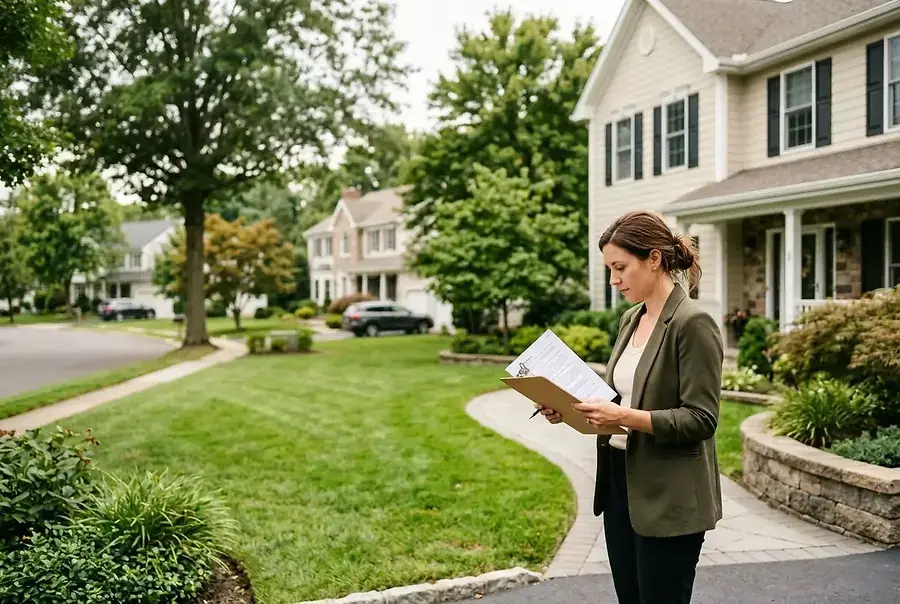
Bridgewater's property tax system begins with the assessment phase, where the municipal assessor evaluates each property to determine its fair market value. This valuation forms the foundation for calculating your annual tax bill. The assessor considers multiple factors when determining value:
- Property size and lot dimensions
- Building age and structural condition
- Recent comparable sales in the area
- Improvements and renovations
- Location and neighborhood characteristics
- Market trends and economic conditions
Understanding Assessment Notices
Property owners receive assessment notices that detail the assessed value of their property. It's crucial to review this notice carefully, as errors in assessment can result in overpaying taxes for years. If you believe your assessment is inaccurate, you have the right to file a challenge during the designated appeal period, typically within a specific timeframe after receiving your notice.
Common reasons to challenge an assessment include:
- Calculation errors in the assessment
- Failure to account for property damage or deterioration
- Incorrect property measurements or descriptions
- Comparisons to dissimilar properties
Tax Rate Calculation
Once your property is assessed, the municipality applies the local tax rate to determine your bill. The tax rate is expressed as a percentage of your assessed value. Bridgewater's tax rate is established annually based on the municipality's budget needs and total assessed property values in the township.
Comparing Tax Rates Across Somerset County
Understanding how Bridgewater's tax rates compare to neighboring municipalities can provide valuable context for your real estate decisions. Somerset County includes several communities with varying tax burdens, and these differences can significantly impact your long-term housing costs.
Regional Tax Comparisons
While specific rates fluctuate annually, Bridgewater typically falls within the mid-range for Somerset County municipalities. Factors affecting comparative rates include:
- Local school district quality and funding needs
- Municipal services and infrastructure investments
- Population density and development patterns
- Commercial and industrial property base
- Local debt obligations and capital projects
Prospective homebuyers should research current tax rates across multiple municipalities before making a purchase decision. A property that appears affordable based on purchase price alone may become expensive when property taxes are factored into the total cost of ownership.
Impact on Property Values
Tax rates can influence property values and market desirability. Communities with lower tax rates often attract more buyers, potentially driving up property prices. Conversely, areas with higher taxes may offer more affordable purchase prices but higher ongoing costs. The relationship between taxes and property values is complex and varies based on the quality of services provided.
Strategies to Minimize Your Tax Burden
Homestead Property Tax Exemption
New Jersey offers a Homestead Property Tax Exemption program that can significantly reduce property taxes for eligible homeowners. This program provides a deduction from your assessed value, which directly lowers your tax bill. Eligibility requirements include income limits and primary residence status, so review current guidelines to determine if you qualify.
Senior Citizen and Disability Exemptions
Bridgewater residents who are seniors or individuals with disabilities may qualify for additional tax relief programs. These exemptions can provide substantial savings for qualifying homeowners. Contact your local assessor's office for specific eligibility criteria and application procedures.
Property Tax Appeals
If you believe your assessment is too high, filing an appeal is a legitimate strategy to reduce your tax burden. Successful appeals can result in lower assessments and immediate tax savings. Consider hiring a property tax professional or attorney if your property value is substantial, as the cost of professional representation may be offset by tax reductions.
Home Improvements and Exemptions
Certain home improvements may qualify for tax exemptions or abatements. Solar energy installations and energy-efficient upgrades often receive favorable tax treatment in New Jersey. Research available incentive programs before undertaking major renovations to maximize potential tax benefits.
Timing Your Purchase
The timing of your property purchase can affect your initial tax liability. Understanding the assessment cycle and tax payment schedule in Bridgewater can help you plan your purchase strategically. Consult with a real estate professional or tax advisor to optimize the timing of your transaction.
Conclusion: Making Informed Decisions About Your Bridgewater Property
Property taxes are a permanent part of homeownership, but they don't have to be a mystery. By understanding how Bridgewater's assessment system works, comparing local rates to regional alternatives, and implementing tax-reduction strategies, you can make more informed decisions about your real estate investment.
Take action today by:
- Reviewing your current assessment notice for accuracy
- Researching available tax exemption programs
- Consulting with local tax professionals
- Comparing properties across multiple municipalities
- Planning long-term housing costs including taxes
Whether you're buying your first home or managing an existing property in Bridgewater, knowledge is your most valuable tool. Stay informed, ask questions, and don't hesitate to seek professional guidance when needed. Your financial future depends on making smart decisions today.