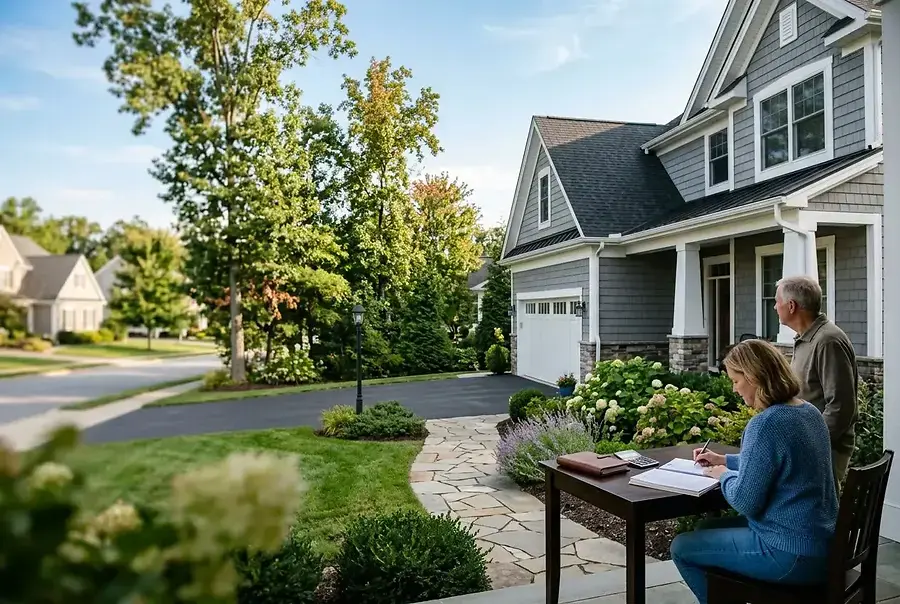
Why Property Taxes Matter for Delaware Homeowners
Property taxes represent one of the largest ongoing expenses for homeowners in Delaware. Whether you own a home in Greenville, Wilmington, Hockessin, Newark, Bear, or Pike Creek, understanding how these taxes work is essential for effective financial planning. Unlike income taxes that fluctuate with earnings, property taxes provide a predictable annual cost that directly impacts your homeownership budget.
Delaware is known for having relatively moderate property tax rates compared to neighboring states, making it an attractive location for homebuyers. However, this doesn't mean you should overlook the importance of understanding your tax obligations. By educating yourself about how property taxes are calculated and what factors influence your bill, you can make informed decisions about your home purchase and develop strategies to manage costs effectively.
How Delaware's Property Tax System Works for Residential Properties
The Assessment Process
Delaware's property tax system begins with the assessment of your home's value. County assessors evaluate residential properties based on several factors, including:
- Property size and square footage – Larger homes typically have higher assessed values
- Age and condition – Newer homes or those in excellent condition may be valued higher
- Location and neighborhood – Proximity to schools, amenities, and desirable areas affects value
- Recent comparable sales – Assessors use similar home sales in your area as benchmarks
- Improvements and upgrades – Renovations and additions increase assessed value
Tax Rate Calculation
Once your property is assessed, the tax rate is applied. Delaware uses a millage rate system, where taxes are calculated per $1,000 of assessed value. The formula is straightforward: Assessed Value × Millage Rate ÷ 1,000 = Annual Property Tax.
It's important to note that Delaware offers a homestead property tax exemption for primary residences. This exemption reduces the assessed value of your home, resulting in lower property taxes. Most homeowners qualify for this benefit, which can save thousands of dollars annually.
Property Tax Rates Across Delaware's Key Communities
Greenville
Greenville, located in New Castle County, features some of Delaware's most desirable residential properties. The area's strong school system and upscale neighborhoods command higher property values, which translates to moderate to higher property tax bills. Homeowners in Greenville benefit from excellent community services funded partly through property taxes.
Wilmington
As Delaware's largest city, Wilmington has diverse neighborhoods with varying property values and tax rates. The city's urban amenities, cultural institutions, and employment opportunities attract residents, though property taxes vary significantly depending on the specific neighborhood. Downtown revitalization efforts have impacted property values in certain areas.
Hockessin
Hockessin is known for its spacious properties and rural character within New Castle County. Homes here tend to be larger with more land, which can result in higher assessed values. However, the area's desirability and strong schools make it a popular choice despite potentially higher tax obligations.
Newark
Home to the University of Delaware, Newark offers a mix of student housing and family residences. Property values here are influenced by the university's presence and the town's vibrant downtown. Tax rates are generally competitive, making Newark an attractive option for various homebuyers.
Bear
Bear is a growing residential community in New Castle County with a mix of established neighborhoods and new developments. Property values here are generally moderate, and the area offers good value for families seeking suburban living with reasonable tax burdens.
Pike Creek
Pike Creek combines suburban convenience with family-friendly amenities. The area's planned communities and newer construction often feature modern homes with moderate to higher assessed values. Property taxes here reflect the area's desirability and quality of life.
Strategies to Minimize Your Property Tax Burden
Take Advantage of Available Exemptions
Beyond the homestead exemption, Delaware offers additional tax relief programs for specific groups:
- Senior citizens – Age-based exemptions and deferrals may be available
- Disabled individuals – Special exemptions exist for qualifying disabilities
- Veterans – Military service may qualify you for tax relief programs
Challenge Your Assessment
If you believe your home's assessed value is too high, you have the right to appeal. Assessment appeals are a legitimate way to potentially reduce your tax burden. Gather comparable sales data from your neighborhood and present evidence if you believe the assessment is inaccurate.
Make Strategic Home Improvements
While improvements increase home value, not all upgrades significantly impact assessed value. Focus on improvements that enhance livability without dramatically increasing your tax assessment. Consult with your county assessor about which improvements trigger reassessment.
Stay Informed About Tax Changes
Property tax rates and regulations can change. Stay connected with your local county assessor's office and attend community meetings to understand upcoming changes that might affect your property taxes.
Consider Professional Guidance
Tax professionals and real estate advisors can provide personalized strategies based on your specific situation. They can help you understand the long-term tax implications of purchasing property in different Delaware communities.
Conclusion
Understanding property taxes in Delaware is crucial for making informed homeownership decisions. Whether you're considering a home in Greenville's upscale neighborhoods, Wilmington's diverse communities, Hockessin's spacious properties, Newark's university-influenced market, Bear's growing suburbs, or Pike Creek's family-friendly developments, knowing how taxes work empowers you to plan effectively.
Delaware's relatively moderate property tax rates, combined with available exemptions and relief programs, make homeownership accessible to many. By understanding the assessment process, knowing your community's tax rates, and implementing strategies to minimize your burden, you can make property ownership more affordable and enjoyable. Take time to research your specific situation, explore available exemptions, and consider professional guidance when needed. Your investment in understanding property taxes today will pay dividends throughout your homeownership journey.