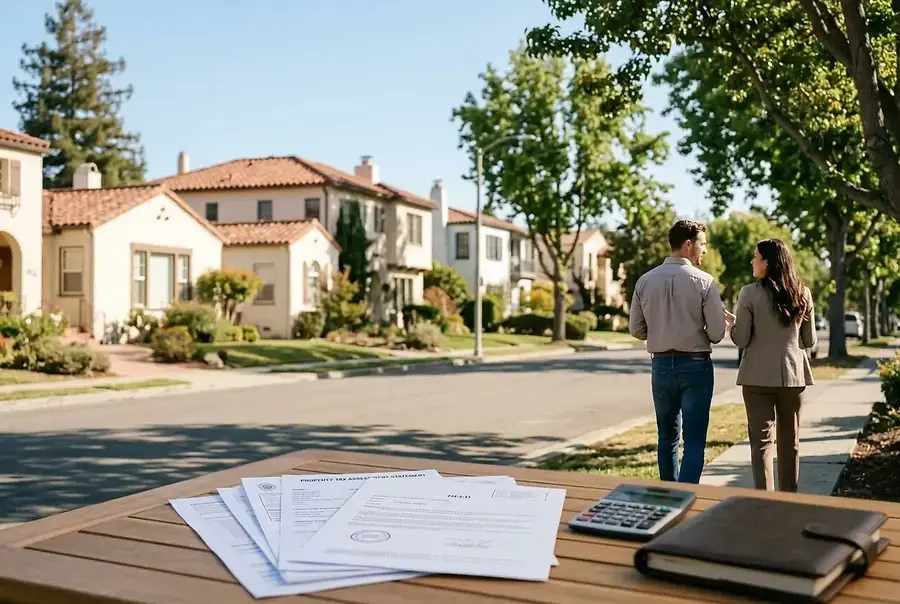
Introduction: Why Property Taxes Matter for East Bay Homeowners
Property taxes represent one of the largest ongoing expenses for homeowners in the East Bay region. Whether you own a home in Oakland, Berkeley, San Francisco, or any of the surrounding communities, understanding how property taxes work is essential to making informed financial decisions about your real estate investment. Property taxes fund critical services including schools, infrastructure, emergency services, and local government operations that directly impact your quality of life.
The East Bay encompasses diverse communities with varying property values and tax structures. From the bustling neighborhoods of San Francisco to the residential areas of San Leandro and San Lorenzo, each municipality has unique characteristics that influence property assessments and tax rates. By understanding these variations, you can better anticipate your tax obligations and explore legitimate strategies to minimize your burden.
Breaking Down Property Tax Assessments and Local Variations Across East Bay Communities
How Property Tax Assessments Work
In California, property taxes are calculated based on the assessed value of your property, which is typically 1% of the property's market value plus any voter-approved bonds and assessments. The county assessor determines this value, and it's crucial to understand that assessed values can differ significantly from market values, especially for properties that haven't changed ownership recently.
The assessment process involves:
- Initial property valuation based on comparable sales and market conditions
- Annual adjustments capped at 2% per year (unless the property is sold)
- Reassessment upon property transfer or significant improvements
- Appeals process if you believe your assessment is incorrect
Regional Variations Across East Bay Communities
Each East Bay community presents distinct tax considerations. San Francisco and Oakland typically have higher property values and corresponding tax assessments, while communities like San Leandro, San Lorenzo, and Albany may offer more moderate tax burdens. Berkeley and San Ramon represent mid-to-high range assessments with strong school systems that justify their tax rates.
Alameda County communities generally follow similar assessment methodologies, but local bond measures and special assessments can vary considerably. It's essential to research your specific city's tax structure, as voter-approved measures can add significant amounts to your annual bill. For example, school district bonds and infrastructure improvements are common additions to base property tax rates.
Understanding Your Property Tax Bill
Your annual property tax bill includes several components beyond the base 1% assessment. These may include:
- County and city taxes
- School district assessments
- Special district taxes (fire, water, sanitation)
- Voter-approved bonds and assessments
- Mello-Roos assessments (for newer developments)
Understanding each line item helps you identify where your money goes and anticipate future increases based on approved measures.
Tax Exemptions, Deductions, and Strategies to Reduce Your Tax Burden
Primary Exemptions and Deductions
Homeowners' Exemption is the most common tax relief available to East Bay homeowners. This exemption reduces the assessed value of your primary residence by $7,000, which translates to approximately $70 in annual tax savings. To qualify, you must own and occupy the property as your principal residence.
Additional exemptions may include:
- Senior citizen exemptions (age 65 and older with income limits)
- Disabled veteran exemptions
- Blind person exemptions
- Agricultural property exemptions (for qualifying properties)
Proposition 13 and Its Impact
California's Proposition 13 fundamentally shapes property tax policy in the East Bay. This landmark legislation caps annual assessment increases at 2% regardless of market appreciation, meaning long-time homeowners benefit from significantly lower assessments than recent buyers of comparable properties. This creates a substantial advantage for established homeowners but also means your tax burden resets upon property sale.
Strategies to Minimize Your Tax Burden
Beyond exemptions, several strategies can help reduce your property tax obligations:
- Assessment Appeals: If you believe your property is overassessed, file an appeal with your county assessor's office. Many homeowners successfully reduce their assessments by 5-15% through this process.
- Timing Property Improvements: Plan major renovations strategically, as significant improvements trigger reassessment. Spreading improvements across multiple years can minimize tax impact.
- Documenting Property Condition: Maintain records of property defects or needed repairs. These factors can justify lower assessments during appeals.
- Monitoring Market Changes: Stay informed about comparable sales in your neighborhood. If your assessment significantly exceeds similar properties, you have grounds for appeal.
- Exploring Special Assessments: Some communities offer Mello-Roos or other special assessment districts. Understanding these obligations before purchase helps with financial planning.
Tax Planning for Different Life Stages
Your property tax strategy should evolve with your circumstances. Young families might prioritize homeowners' exemptions and understanding school district bonds. Long-term homeowners benefit from Proposition 13's protections and should focus on maintaining their advantageous assessments. Retirees may qualify for senior exemptions and should explore income-based relief programs.
Conclusion: Making Informed Decisions About Your East Bay Property Investment
Property taxes in the East Bay are complex but manageable with proper understanding and planning. Whether you're buying in San Francisco, Oakland, Berkeley, San Ramon, San Leandro, San Lorenzo, Albany, or Alameda, knowledge is your most valuable tool for making informed decisions about your real estate investment.
Take time to understand your specific property's assessment, explore available exemptions, and consider filing an appeal if you believe your valuation is excessive. Connect with your county assessor's office and local tax professionals who can provide guidance tailored to your situation. By staying informed and proactive, you can optimize your property tax position and protect your investment for years to come.
Remember: property taxes fund the services and infrastructure that make East Bay communities desirable places to live. While minimizing your burden is important, these investments contribute to the quality of life that makes homeownership in this region worthwhile.
