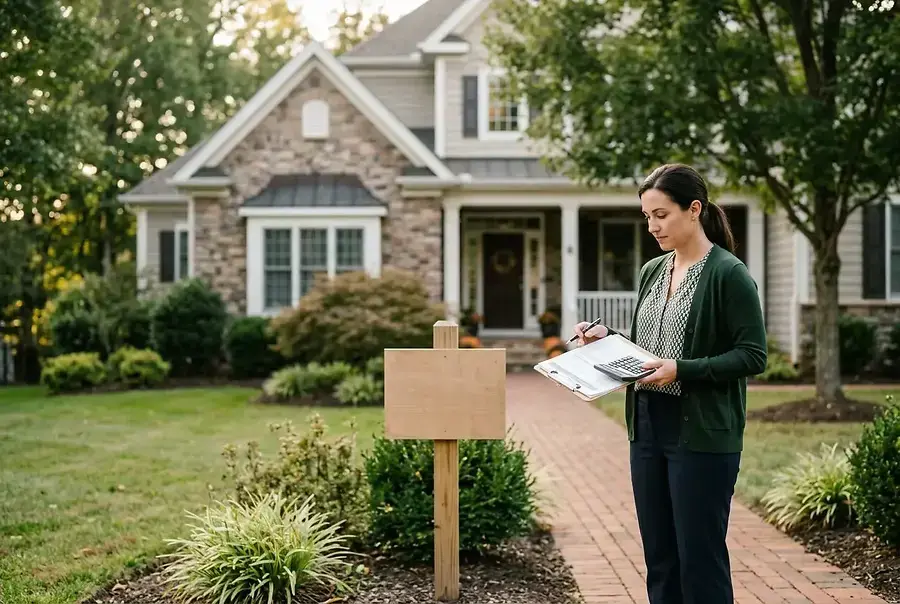
Introduction: The Role of Property Taxes in Your Home Purchase Decision
When purchasing a home in Fredericksburg or Warrenton, Virginia, most buyers focus on the purchase price and mortgage payments. However, property taxes represent one of the most significant ongoing costs of homeownership that shouldn't be overlooked. Understanding how property taxes work in these Northern Virginia communities is essential for making informed financial decisions and budgeting effectively for your investment.
Property taxes fund critical local services including schools, infrastructure, emergency services, and community development. In Fredericksburg and Warrenton, these taxes vary based on several factors including property value, location, and available exemptions. By learning how the assessment and taxation process works, you can better anticipate your annual expenses and identify potential tax relief opportunities.
How Property Tax Assessments Work in Fredericksburg and Warrenton
The Assessment Process
Property tax assessments begin with the local assessor's office determining the fair market value of your home. This assessment is typically conducted every few years and considers factors such as:
- The size and square footage of your home
- Age and condition of the property
- Recent comparable sales in your neighborhood
- Lot size and location
- Improvements and upgrades made to the property
In both Fredericksburg and Warrenton, assessors use a combination of physical inspections, market data analysis, and computer-assisted mass appraisal systems to determine property values. It's important to note that assessed value differs from market value—the assessed value is used specifically for tax calculation purposes.
Understanding Your Assessment Notice
Once the assessment is complete, you'll receive a notice detailing the assessed value of your property. This notice typically includes:
- The assessed value of your land and improvements
- Information about comparable properties used in the assessment
- Instructions for appealing the assessment if you disagree
- The deadline for filing an appeal
You have the right to appeal your assessment if you believe it's inaccurate. The appeal process allows you to present evidence, such as recent appraisals or documentation of property defects, to support your case. Many homeowners successfully reduce their tax burden through the appeal process.
Tax Rate Calculation
Once your property is assessed, the tax rate is applied to determine your annual tax bill. The formula is straightforward: Assessed Value × Tax Rate = Annual Property Tax. Tax rates in Fredericksburg and Warrenton are expressed as a rate per $100 of assessed value and can vary between the city and county jurisdictions.
Comparing Tax Rates and Finding Tax Relief Opportunities
Tax Rates in Fredericksburg and Warrenton
Property tax rates differ between Fredericksburg City, Warrenton, and the surrounding Fauquier County areas. These rates are set by local government budgets and can change annually. Comparing rates between jurisdictions is important if you're considering properties in different areas, as the difference can significantly impact your long-term housing costs.
For example, a $400,000 home assessed at full value could have substantially different tax bills depending on whether it's located in the city or county. When evaluating properties, always factor in the local tax rate to get an accurate picture of total homeownership costs.
Available Tax Exemptions and Relief Programs
Virginia offers several property tax exemptions and relief programs that may reduce your tax burden:
- Homestead Property Tax Exemption: Provides a reduction in assessed value for primary residences, though eligibility and benefit amounts vary by locality
- Senior Citizen Tax Relief: Offers tax deferral or exemption programs for qualifying seniors
- Disabled Veterans Exemption: Provides exemptions for disabled veterans and their surviving spouses
- Agricultural/Open Space Exemptions: Available for properties used for farming or conservation purposes
- Historic Property Tax Credits: May apply to homes in designated historic districts
To determine which programs you may qualify for, contact the local assessor's office in Fredericksburg or Warrenton. Many homeowners miss out on significant savings simply because they're unaware of available programs.
Strategies for Managing Property Tax Costs
Beyond exemptions, consider these strategies to manage your property tax expenses:
- Monitor Assessment Changes: Review your assessment notice annually and appeal if values seem inflated compared to recent sales
- Document Home Improvements: Keep records of renovations and repairs, as some improvements may not increase assessed value
- Budget Accordingly: Include property taxes in your monthly housing budget to avoid surprises at tax time
- Stay Informed: Attend local government meetings to understand how tax rates may change in the future
Conclusion: Making Informed Financial Decisions as a Homeowner
Property taxes are a permanent part of homeownership in Fredericksburg and Warrenton, but understanding how they work empowers you to make smarter financial decisions. By learning about assessments, comparing tax rates, and exploring relief opportunities, you can minimize your tax burden and maximize your investment.
Before purchasing a home in Northern Virginia, take time to research the specific tax implications for your target property. Use online tax calculators, consult with local real estate professionals, and contact the assessor's office with questions. An informed buyer is a successful buyer—and one who won't face unexpected financial surprises down the road.
Whether you're a first-time homebuyer or an experienced investor, property taxes deserve careful consideration in your overall financial planning. With the right knowledge and resources, you can navigate the tax landscape confidently and build long-term wealth through real estate ownership in these vibrant Northern Virginia communities.
