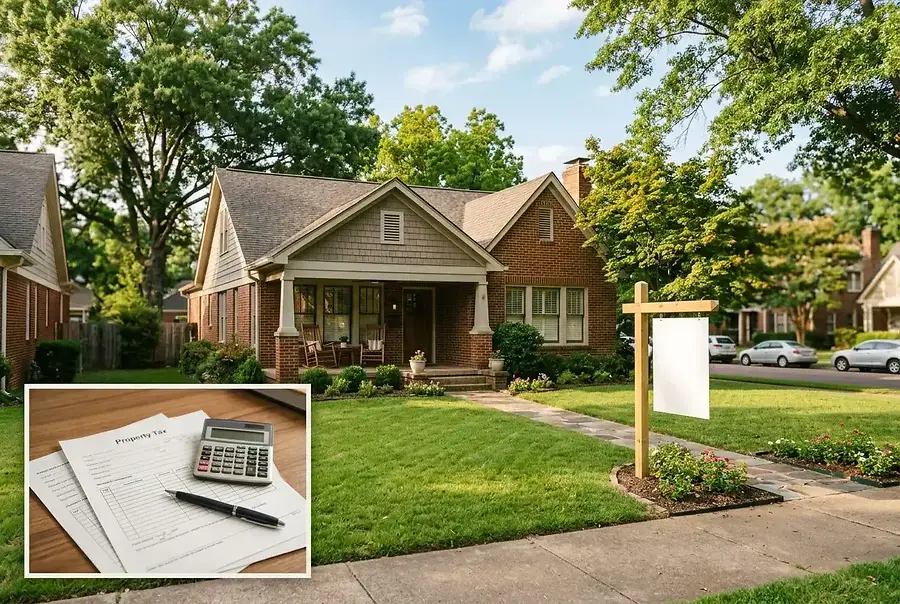
Why Property Taxes Matter for Memphis Homeowners
Property taxes represent one of the largest ongoing expenses for homeowners in Memphis, yet many residents don't fully understand how they're calculated or what options exist to manage them. Unlike mortgage payments that eventually end, property taxes continue for as long as you own your home, making them a critical component of your overall housing costs.
For Memphis homeowners, property taxes fund essential services including public schools, infrastructure maintenance, emergency services, and community development. Understanding how these taxes work and what you can do to manage them effectively can save you thousands of dollars over your homeownership journey.
How Memphis Property Tax Assessments Work
The Assessment Process
The Shelby County Assessor's Office is responsible for determining the assessed value of residential properties in Memphis. This process begins with a physical inspection of your property, where assessors evaluate factors such as:
- Square footage and lot size
- Age and condition of the structure
- Number of bedrooms and bathrooms
- Presence of upgrades or improvements
- Comparable sales in your neighborhood
The assessed value is typically a percentage of the property's fair market value. In Tennessee, residential properties are assessed at 25% of their appraised value, which then determines your annual tax bill.
Understanding Your Tax Rate
Once your property is assessed, the tax rate is applied based on your location within Memphis and Shelby County. The tax rate varies depending on which taxing districts serve your property, including city taxes, county taxes, and school district taxes. Your total property tax bill is calculated by multiplying your assessed value by the combined tax rate for your area.
It's important to note that property tax rates can change annually based on budget needs of local government entities and school districts. Staying informed about these changes helps you budget more effectively.
When Assessments Change
Property assessments are typically reviewed every four to five years in Shelby County. However, significant improvements to your home, such as adding a room or installing a new roof, may trigger a reassessment sooner. Additionally, if you recently purchased your home, the assessed value may be adjusted to reflect the sale price.
Strategies to Appeal or Reduce Your Property Tax Bill
Review Your Assessment Notice
The first step in managing your property taxes is carefully reviewing your assessment notice when it arrives. Check that all property details are accurate, including square footage, number of rooms, and condition ratings. Errors in these details are common and can result in inflated assessments.
Compare the assessed value to recent comparable sales in your neighborhood. If your assessment seems significantly higher than similar properties, you may have grounds for an appeal.
File a Formal Appeal
If you believe your assessment is incorrect, you have the right to file an appeal with the Shelby County Assessor's Office. The appeal process typically involves submitting documentation that supports your claim, such as:
- Recent appraisals from licensed appraisers
- Comparable property sales data
- Photos documenting property condition
- Evidence of property defects or needed repairs
- Documentation of recent market changes in your area
Appeals must generally be filed within a specific timeframe after receiving your assessment notice, so prompt action is essential.
Make Strategic Home Improvements
While this may seem counterintuitive, not all home improvements increase your property tax assessment. Certain repairs and maintenance work, such as replacing a roof or updating HVAC systems, may not trigger a reassessment if they're considered maintenance rather than improvements.
However, major additions like new rooms or significant renovations will likely increase your assessed value. Consider the long-term return on investment before undertaking major projects.
Explore Tax Exemptions and Deferrals
Tennessee offers several property tax relief programs for eligible homeowners:
- Homestead Exemption: Provides a reduction in assessed value for primary residences
- Senior Citizen Deferral: Allows seniors to defer property taxes under certain conditions
- Disability Exemptions: Available for disabled veterans and others meeting specific criteria
Contact the Shelby County Assessor's Office to determine if you qualify for any of these programs.
Stay Informed About Market Trends
Understanding local real estate market trends helps you anticipate assessment changes. If your neighborhood is experiencing rapid appreciation, expect your assessment to increase accordingly. Conversely, if property values are declining, you may have a stronger case for an appeal.
"Property tax management is an ongoing process that requires attention and proactive planning. By staying informed and taking action when necessary, homeowners can significantly reduce their tax burden."
Taking Control of Your Real Estate Investment
Property taxes are a substantial part of homeownership costs, but they're not entirely beyond your control. By understanding how assessments work, regularly reviewing your assessment notices, and taking advantage of available appeals and exemptions, you can effectively manage your tax burden.
The key is to be proactive. Don't simply accept your assessment as final. Research comparable properties, document any errors or discrepancies, and file appeals when warranted. Additionally, explore whether you qualify for any tax relief programs available to Memphis homeowners.
Remember that property taxes fund the services and infrastructure that support your community and property values. While managing your tax burden is important, understanding the broader purpose of these taxes helps put them in perspective as an investment in your neighborhood's future.
By taking these steps and staying informed about changes in tax rates and assessment practices, you'll be better equipped to make sound financial decisions about your Memphis real estate investment and protect your long-term wealth.