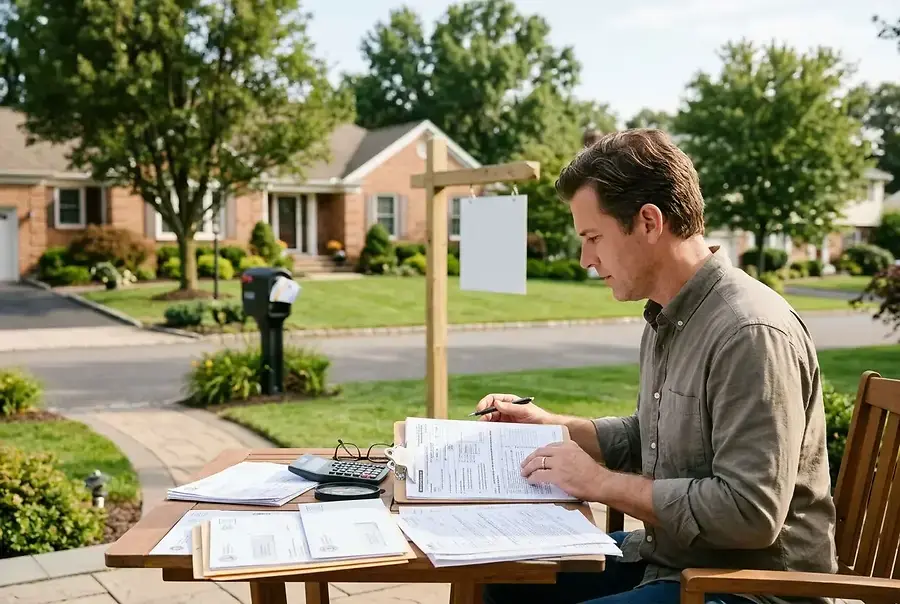
Introduction: Why Property Taxes Matter for New York Homeowners
Property taxes are one of the largest expenses homeowners face, and in New York, they can be particularly substantial. Understanding how these taxes work is crucial for managing your finances and making informed decisions about your property. Property taxes fund essential services like schools, roads, and emergency services in your community, making them a vital part of the local infrastructure.
For many New York homeowners, property taxes represent a significant annual expense that directly impacts your overall cost of homeownership. Rather than viewing this as an unavoidable burden, taking the time to understand the system can help you identify opportunities to reduce your tax liability and keep more money in your pocket.
How New York Property Taxes Are Calculated and Assessed
The Assessment Process
Your property tax bill begins with an assessment—a determination of your property's market value. Local assessors evaluate your home based on several factors, including:
- The size and condition of your property
- Recent comparable sales in your neighborhood
- Property improvements and renovations
- Location and proximity to amenities
- Age and structural integrity of the building
Assessments typically occur every few years, though this varies by municipality. It's important to review your assessment notice carefully and understand how your property was valued.
The Tax Rate and Your Bill
Once your property is assessed, your tax bill is calculated using a straightforward formula: Assessed Value × Tax Rate = Property Tax Bill. In New York, tax rates vary significantly by location, with some areas having rates as low as 0.5% and others exceeding 2% of assessed value.
New York's property tax system is complex because it involves multiple taxing jurisdictions. Your bill may include taxes for:
- Town or city government
- School districts
- County services
- Special districts (fire, water, sewer)
Understanding which portion of your bill goes to each service can help you advocate for tax efficiency in your community.
Assessment Challenges and Appeals
If you believe your property has been overassessed, you have the right to challenge the assessment. The appeal process typically involves submitting evidence that your property's assessed value exceeds its market value. This might include recent appraisals, comparable sales data, or documentation of property defects.
Many homeowners successfully reduce their tax burden through appeals, making this an important avenue to explore if you believe your assessment is unfair.
Common Deductions and Exemptions You May Qualify For
Residential Property Tax Exemptions
New York offers several exemptions that can significantly reduce your property tax burden. The most common exemptions include:
- Basic STAR (School Tax Relief) Exemption: Available to homeowners with household incomes up to $250,000, this exemption reduces your school tax portion
- Enhanced STAR Exemption: For seniors aged 65 and older with incomes under $91,000, offering greater tax relief
- Veteran Exemptions: Available to disabled veterans and their surviving spouses
- Senior Citizen Exemptions: Additional relief for homeowners aged 65 and older
- Agricultural Exemptions: For properties used for farming purposes
Energy-Efficient Home Improvements
New York recognizes the importance of sustainability and offers tax incentives for homeowners who make energy-efficient improvements. Qualifying improvements may include solar panel installations, high-efficiency heating systems, and improved insulation. These upgrades not only reduce your environmental impact but can also provide tax benefits.
Homestead Property Tax Credit
If your property tax bill exceeds a certain percentage of your income, you may qualify for the Homestead Property Tax Credit. This credit is designed to provide relief to homeowners whose tax burden is disproportionately high relative to their income. Eligibility depends on your household income and property tax amount.
How to Apply for Exemptions
Applying for exemptions requires submitting the appropriate forms to your local assessor's office. Key steps include:
- Identifying which exemptions you may qualify for
- Gathering required documentation (proof of age, income, military service, etc.)
- Submitting applications before the deadline
- Following up to ensure your exemption is properly applied
Many exemptions must be renewed annually, so mark your calendar to avoid missing deadlines.
Conclusion: Taking Control of Your Property Tax Situation
Property taxes in New York don't have to be a mystery or an unmanageable burden. By understanding how your taxes are calculated, exploring available exemptions, and challenging unfair assessments, you can take meaningful steps to reduce your tax liability.
Start by reviewing your assessment notice and comparing it to similar properties in your area. Research which exemptions you qualify for and submit applications promptly. If you believe your assessment is incorrect, don't hesitate to file an appeal. Many homeowners leave money on the table simply because they don't take these proactive steps.
Consider consulting with a tax professional or real estate attorney if you have complex questions about your specific situation. The investment in understanding your property taxes can pay dividends for years to come, helping you manage one of your largest homeownership expenses more effectively.
Remember: Your property tax bill is not set in stone. With knowledge and action, you can work toward a more favorable tax situation while supporting the essential services your community depends on.