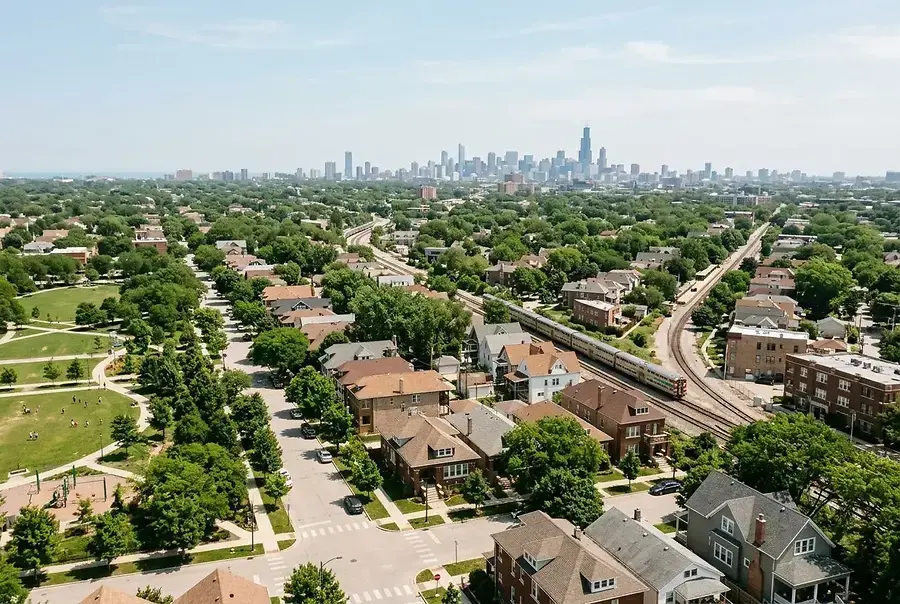
How Location Factors Impact Property Values in Chicago's West Side
Chicago's West Side encompasses a diverse range of communities, each with its own unique character, amenities, and market dynamics. Whether you're a first-time homebuyer, an experienced investor, or someone looking to relocate, understanding what drives property values in these neighborhoods is essential for making informed real estate decisions. The West Side has experienced significant evolution over recent years, with communities like Oak Park, Elmwood Park, and Forest Park attracting renewed interest from buyers seeking value, accessibility, and community-oriented living.
Property values in this region are influenced by a complex interplay of factors that extend far beyond simple square footage and lot size. From the quality of local schools to proximity to public transportation, from neighborhood safety to the availability of parks and cultural amenities, each element plays a role in determining what buyers are willing to pay for a home. Understanding these dynamics can help you navigate the market more effectively and identify opportunities that align with your lifestyle and financial goals.
Key Market Dynamics: School Districts, Transportation, and Neighborhood Amenities
School Districts and Educational Excellence
One of the most significant drivers of property values across Chicago's West Side is the quality of local school districts. Families with children prioritize access to well-rated schools, and this demand directly impacts home prices. Communities like Oak Park have built strong reputations for educational excellence, with schools consistently performing well on standardized assessments and offering diverse programming.
The presence of highly-rated schools creates a ripple effect throughout a neighborhood. Properties within desirable school boundaries command premium prices, and the investment in education infrastructure often signals broader community commitment to quality of life. When evaluating properties, it's worth researching not just current school ratings, but also district trends and planned improvements.
Transportation and Accessibility
Proximity to public transportation is another critical factor shaping property values on the West Side. Communities with convenient access to Metra commuter rail lines and CTA bus routes tend to see stronger demand and higher valuations. The ability to commute efficiently to downtown Chicago or other employment centers makes these neighborhoods attractive to working professionals.
- Metra Lines: Communities along major Metra corridors benefit from enhanced connectivity and typically command higher prices
- CTA Access: Bus routes and proximity to transit hubs increase walkability and reduce transportation costs
- Highway Proximity: Access to major highways like I-290 and I-88 appeals to those who drive for work
Transportation infrastructure improvements can dramatically shift property values. New transit connections or improved service frequency often precede price increases, making them important indicators for forward-thinking investors.
Neighborhood Amenities and Quality of Life
Beyond schools and transportation, the availability of parks, restaurants, retail, and cultural institutions significantly impacts property values. Communities that invest in public spaces, maintain well-kept parks, and support local businesses create environments where residents want to live and raise families.
Key amenities that drive value include:
- Well-maintained parks and recreational facilities
- Diverse dining and shopping options
- Community centers and cultural venues
- Healthcare facilities and medical services
- Safe, walkable neighborhoods with active community engagement
Comparative Analysis: Price Trends Across Oak Park, Forest Park, Lombard, and Surrounding Areas
Oak Park: Premium Positioning and Established Value
Oak Park stands out as one of the West Side's most desirable communities, commanding some of the highest property values in the region. The village's strong school system, architectural heritage, and vibrant downtown district create sustained demand. Homes in Oak Park typically reflect premium pricing, but buyers often view this as an investment in established community stability and quality.
The architectural character of Oak Park, particularly its Frank Lloyd Wright homes and early 20th-century residences, adds cultural cachet that supports property values. This historic appeal attracts both owner-occupants and investors seeking properties with distinctive character.
Forest Park and Elmwood Park: Value-Oriented Alternatives
Forest Park and Elmwood Park offer compelling alternatives for buyers seeking strong communities at more moderate price points. These villages provide excellent schools, good transportation access, and active community life at valuations typically 10-20% below Oak Park. For budget-conscious buyers unwilling to compromise on quality, these communities represent smart market positioning.
Forest Park's proximity to major employment centers and its investment in downtown revitalization have strengthened its market position. Elmwood Park similarly benefits from strong community identity and ongoing neighborhood improvements that support stable property values.
Lombard and Surrounding Suburbs: Suburban Appeal and Growth Potential
Moving further west, communities like Lombard offer suburban living with excellent schools and family-friendly amenities. These areas typically feature larger lots, newer construction options, and strong school systems that appeal to families. While slightly further from downtown Chicago, the suburban lifestyle and value proposition attract buyers seeking space and community.
Emerging neighborhoods in the broader West Side region often present growth opportunities for investors. As infrastructure improves and communities invest in revitalization, previously overlooked areas can experience significant appreciation.
Using Market Insights to Guide Your Real Estate Strategy
Understanding property value drivers empowers you to make strategic real estate decisions aligned with your goals. Whether you're buying your first home, upgrading to a larger property, or investing for appreciation, these insights provide a framework for evaluation.
Consider these strategic approaches:
- Buy in Emerging Areas: Identify neighborhoods with improving schools, planned transit improvements, or active revitalization efforts for potential appreciation
- Prioritize Your Needs: Determine which factors matter most to your lifestyle—schools, commute, walkability—and focus on communities that excel in those areas
- Think Long-Term: Property values reflect both current conditions and future potential; invest in communities with positive momentum
- Compare Across Communities: Use comparative market analysis to identify value opportunities across the West Side
Chicago's West Side communities offer diverse options for homebuyers and investors. By understanding the factors that drive property values—from school quality to transportation access to neighborhood character—you can navigate the market with confidence and make decisions that serve your financial and lifestyle goals. Whether you're drawn to Oak Park's established prestige, Forest Park's balanced value, or Lombard's suburban appeal, the West Side provides compelling opportunities for those willing to explore beyond the most obvious choices.