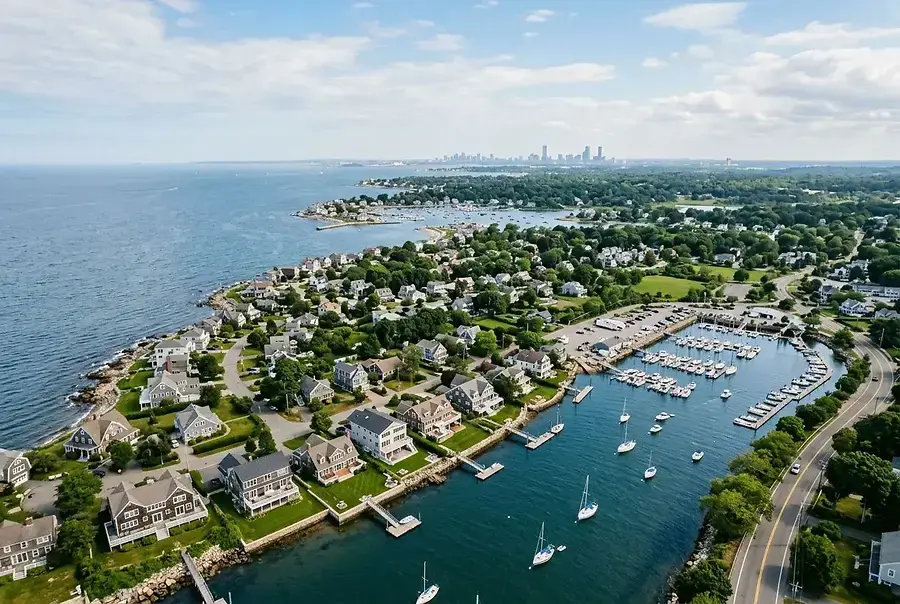
Introduction: Why South Shore Property Values Matter to Buyers and Sellers
The South Shore region of Massachusetts represents one of the most dynamic real estate markets in New England. Whether you're a first-time homebuyer, an experienced investor, or a seller looking to understand your property's worth, understanding the nuances of South Shore property values is essential. From the coastal charm of Duxbury to the urban accessibility of Boston, each community offers distinct advantages and price points that reflect its unique characteristics.
Property values in this region don't exist in a vacuum. They're shaped by a complex interplay of factors including proximity to employment centers, school quality, neighborhood amenities, and broader market trends. For anyone considering a real estate transaction in South Shore Massachusetts, knowledge is power. Understanding what drives prices in your specific community can mean the difference between making a smart investment and overpaying for a property.
Key Factors That Influence Home Prices in South Shore Communities
Location and Proximity to Employment Centers
One of the most significant drivers of property values across South Shore Massachusetts is location relative to employment hubs. Communities closer to Boston command premium prices due to easier commutes to major job centers. Conversely, more distant communities like Fall River and Brockton often feature more affordable housing while still offering reasonable access to employment opportunities.
School Quality and Educational Reputation
Families prioritize school systems when choosing where to live, and this demand directly impacts property values. Communities with highly-rated schools—such as Duxbury and Hyannis—typically see stronger property appreciation and higher median home prices. School ratings serve as a reliable indicator of neighborhood desirability and long-term investment potential.
Neighborhood Amenities and Lifestyle Factors
The availability of parks, recreational facilities, shopping, dining, and cultural attractions significantly influences property values. Waterfront communities like Plymouth and Duxbury benefit from coastal access and scenic beauty, commanding premium prices. Urban areas like Boston offer walkability and diverse amenities, while suburban communities provide quieter, family-friendly environments.
Market Trends and Economic Conditions
Broader economic factors—including interest rates, inventory levels, and regional job growth—affect all South Shore communities. However, each area responds differently to market shifts. Understanding current market conditions in your specific community helps you time your purchase or sale strategically.
Property Characteristics and Condition
Individual property features matter significantly. Age of the home, square footage, lot size, number of bedrooms and bathrooms, and overall condition all impact pricing. Recently renovated homes command premiums, while properties requiring significant updates may sell at discounts despite favorable locations.
Comparing Residential Markets Across Plymouth, Rockland, Stoughton, Hyannis, Fall River, Whitman, Boston, Brockton, Middleborough, and Duxbury
Premium Coastal Communities: Duxbury and Plymouth
Duxbury stands at the premium end of the South Shore market, with waterfront properties commanding exceptional prices. The town's excellent schools, coastal beauty, and affluent demographics create sustained demand. Plymouth, with its rich historical significance and waterfront appeal, also maintains strong property values, though slightly more accessible than Duxbury for middle-income buyers.
Suburban Sweet Spots: Rockland, Stoughton, and Whitman
These communities offer excellent value propositions for families seeking suburban living with reasonable commutes to Boston. Rockland provides good schools and community amenities at moderate prices. Stoughton and Whitman offer similar advantages, with properties generally priced 15-25% below coastal communities while maintaining strong fundamentals.
Urban and Accessible Markets: Boston and Brockton
Boston represents the premium urban option, with diverse neighborhoods offering varying price points. From affordable areas to luxury districts, Boston's market is highly segmented. Brockton offers more affordable urban living with improving neighborhoods and development initiatives, attracting investors and first-time buyers seeking value.
Emerging and Developing Areas: Hyannis, Fall River, and Middleborough
Hyannis combines Cape Cod appeal with reasonable accessibility, offering moderate pricing with strong seasonal and tourism-driven economic activity. Fall River and Middleborough represent emerging markets with significant development potential and affordable entry points for buyers seeking growth opportunities.
"Understanding your specific community's market dynamics is crucial for making informed real estate decisions. Each South Shore town has its own story, strengths, and growth trajectory."
Conclusion: Making Informed Decisions Based on Market Data and Local Expertise
South Shore Massachusetts offers diverse real estate opportunities across multiple price points and lifestyle preferences. Whether you're drawn to the prestige of Duxbury, the suburban convenience of Rockland, the urban energy of Boston, or the emerging potential of Fall River, success in this market requires understanding local dynamics.
The most successful real estate transactions result from combining market data with local expertise. Consider working with professionals who understand your specific community's nuances, recent sales trends, and future development plans. By educating yourself about the factors driving property values in your target area, you'll be positioned to make confident, informed decisions that align with your financial goals and lifestyle preferences.
The South Shore real estate market continues to evolve, offering opportunities for buyers, sellers, and investors who approach it with knowledge and strategic thinking.