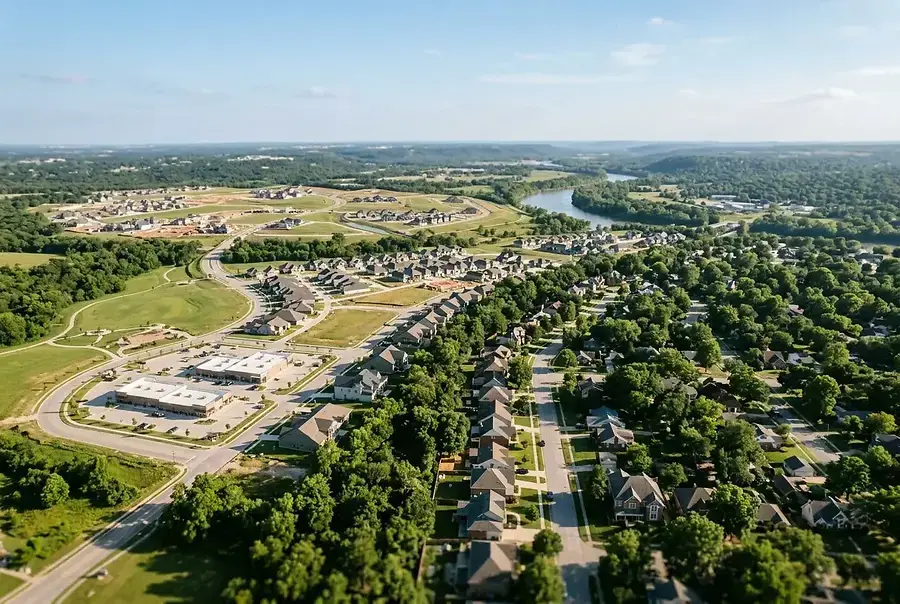
The Diversity of Tulsa County Real Estate Markets
Tulsa County encompasses a fascinating tapestry of neighborhoods, each with its own unique character, amenities, and market dynamics. From the vibrant urban core to emerging suburban communities, property values vary significantly across the region's 20 distinct areas. Understanding these differences is essential for anyone looking to buy, sell, or invest in real estate.
The county's real estate landscape reflects broader economic trends, demographic shifts, and infrastructure development. What makes one neighborhood appreciate rapidly while another remains stable? The answer lies in understanding the interconnected factors that influence property values. Whether you're a first-time homebuyer, an experienced investor, or simply curious about your local market, this comprehensive guide will help you navigate Tulsa County's diverse real estate landscape.
Key Factors Influencing Property Values Across Different Communities
Location and Accessibility
Location remains the cornerstone of real estate value. Communities with easy access to major highways, public transportation, and employment centers typically command higher property values. Neighborhoods close to downtown Tulsa or major business districts experience different market dynamics than those in more remote areas. Proximity to shopping centers, restaurants, and entertainment venues also plays a crucial role in determining desirability and, consequently, property prices.
School Quality and Educational Institutions
School district ratings significantly impact property values, particularly for families with children. Communities served by highly-rated school districts consistently see stronger demand and higher home prices. Beyond K-12 education, proximity to colleges and universities can also influence property appreciation, as these institutions attract students, faculty, and related economic activity to surrounding neighborhoods.
Infrastructure and Development
The presence of modern infrastructure—including well-maintained roads, utilities, and public services—directly affects property values. Communities experiencing active development, such as new commercial centers, parks, or public facilities, often see increased property appreciation. Conversely, neighborhoods with aging infrastructure may face challenges in maintaining or growing their property values without significant investment.
Economic Opportunities and Employment
Areas with diverse employment opportunities and growing job markets attract more residents and investors. Communities near major employers or business parks experience stronger demand for housing. The presence of small businesses, startups, and entrepreneurial activity can also signal a neighborhood's economic vitality and future growth potential.
Community Amenities and Quality of Life
Parks, recreational facilities, cultural institutions, and community services enhance neighborhood appeal. Residents increasingly value walkability, green spaces, and access to dining and entertainment options. Communities that invest in these amenities often see stronger property value appreciation and attract a broader demographic of buyers.
Market Supply and Demand Dynamics
Like any market, real estate values fluctuate based on supply and demand. Communities with limited housing inventory relative to demand typically experience faster appreciation. Conversely, areas with abundant available properties may see more stable or slower-growing values. Understanding these dynamics helps identify neighborhoods poised for growth.
Comparing Home Values: From Emerging Neighborhoods to Established Areas
Established Neighborhoods: Stability and Proven Value
Tulsa County's established neighborhoods offer proven track records of stability and consistent appreciation. These communities feature mature tree-lined streets, well-maintained homes, and established community identities. While property values in these areas may be higher, they often provide reliable long-term investments with predictable appreciation patterns. Buyers seeking stability and established community infrastructure frequently choose these neighborhoods.
Emerging Neighborhoods: Growth Potential and Opportunity
Emerging communities across Tulsa County present exciting opportunities for investors seeking higher appreciation potential. These neighborhoods often feature:
- More affordable entry prices compared to established areas
- Active development and infrastructure improvements
- Growing populations and increasing demand
- New commercial and retail development
- Improved schools and community services
While emerging neighborhoods carry slightly more risk than established areas, they often deliver superior returns for patient investors willing to hold properties through growth cycles.
Mixed-Use and Urban Communities
Some Tulsa County communities are transitioning toward mixed-use development, combining residential, commercial, and entertainment spaces. These neighborhoods appeal to younger professionals and empty-nesters seeking walkable, vibrant communities. Property values in these areas often reflect premium pricing for convenience and lifestyle amenities, with strong appreciation potential as development continues.
Suburban Family Communities
Family-oriented suburban neighborhoods remain popular for their combination of affordability, space, and school quality. These communities typically offer larger lots, newer construction, and family-friendly amenities. Property values in suburban areas tend to appreciate steadily, driven by consistent demand from families and the limited supply of new developable land.
Making Informed Decisions Based on Local Market Dynamics
Research Before You Invest
Thorough research is essential for making sound real estate decisions. Examine recent sales data, property tax trends, and demographic information for communities you're considering. Look beyond current prices to understand the trajectory of property values and the factors driving market movements.
Consider Your Timeline and Goals
Your investment timeline significantly influences which communities make sense for your portfolio. Short-term investors may prefer established neighborhoods with stable values, while long-term investors can better weather the volatility of emerging communities with higher appreciation potential. Clearly define your goals—whether seeking primary residence, rental income, or appreciation—before selecting a property.
Evaluate Future Development Plans
Understanding a community's master plan and future development projects provides valuable insight into long-term appreciation potential. Communities with planned infrastructure improvements, new schools, or commercial development often experience accelerated property value growth. Contact local planning departments and review development proposals to identify neighborhoods positioned for growth.
Work with Local Experts
Real estate professionals with deep knowledge of Tulsa County's diverse markets can provide invaluable guidance on neighborhood selection, pricing trends, and investment opportunities.Their expertise helps you navigate market complexities and identify properties aligned with your goals and timeline.
Monitor Market Indicators
Stay informed about key market indicators including:
- Days on market for properties
- Price-to-list ratios
- Inventory levels
- Population growth rates
- Employment trends
- New construction activity
These metrics reveal whether a market is appreciating, stable, or declining, helping you make data-driven decisions.
Conclusion: Making Informed Decisions Based on Local Market Dynamics
Tulsa County's 20 communities offer diverse real estate opportunities suited to different investor profiles, budgets, and goals. Success in this market requires understanding the unique factors driving property values in each neighborhood—from location and schools to infrastructure and economic opportunity.
Whether you're drawn to the stability of established neighborhoods or the growth potential of emerging communities, informed decision-making based on local market dynamics is essential. By researching thoroughly, understanding your goals, and working with knowledgeable professionals, you can identify properties with strong appreciation potential and build a real estate portfolio aligned with your vision.
The Tulsa County real estate market continues to evolve, presenting both challenges and opportunities. Those who understand these dynamics and act strategically will be best positioned to achieve their real estate goals and build lasting wealth through property investment.
