The Importance of Location in Rochester Real Estate
Location is the cornerstone of real estate investing, and nowhere is this more evident than in Rochester's diverse neighborhoods. Whether you're a first-time homebuyer or an experienced investor, understanding how neighborhood characteristics influence property values is essential to making profitable decisions. Rochester's real estate market has experienced significant growth and transformation, creating both opportunities and challenges for those looking to invest.
The city's neighborhoods each tell a unique story, with distinct demographics, amenities, and market trajectories. Some areas are experiencing rapid appreciation, while others offer strong rental yields and long-term stability. By learning to evaluate these factors like a local expert, you can identify properties that align with your investment goals and timeline.
Key Neighborhoods and Their Market Characteristics
Park Avenue and East Avenue Corridor
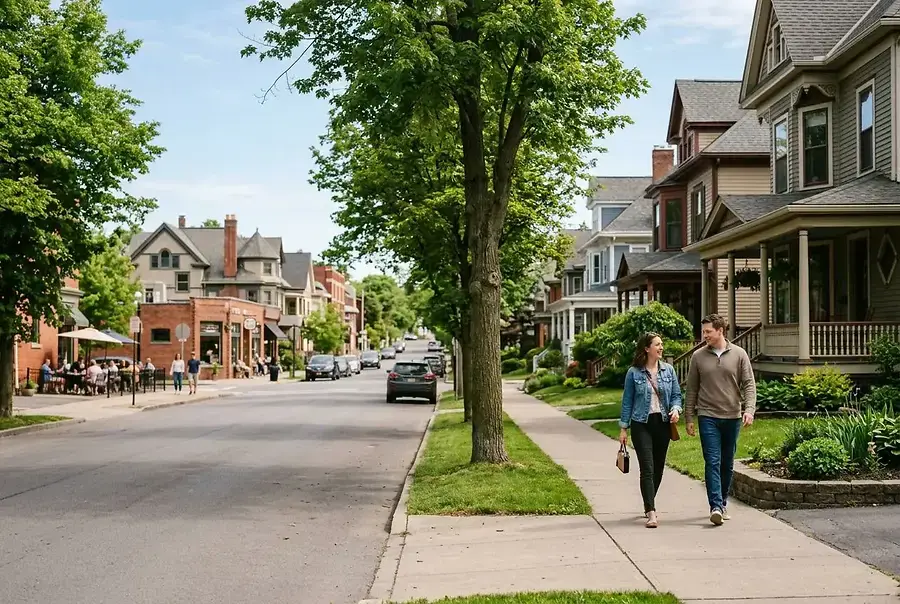
The Park Avenue and East Avenue neighborhoods represent some of Rochester's most desirable and established residential areas. These tree-lined streets feature beautiful Victorian and early 20th-century homes with strong appreciation histories. Properties here command premium prices due to proximity to cultural institutions, excellent schools, and vibrant commercial corridors.
- Market Appeal: Historic charm combined with modern amenities
- Investment Type: Long-term appreciation and owner-occupancy
- Price Range: Higher entry point with stable, predictable growth
South Wedge and Neighborhood of the Arts
The South Wedge district has emerged as one of Rochester's most dynamic neighborhoods, attracting young professionals, artists, and entrepreneurs. This area showcases the city's creative renaissance with galleries, restaurants, and boutique shops alongside residential properties. The neighborhood's revitalization has driven significant property value increases and rental demand.
- Market Appeal: Trendy, walkable, and culturally vibrant
- Investment Type: Rental income and appreciation potential
- Price Range: Moderate to mid-range with strong growth trajectory
Charlotte and Lakeside Communities
Located near Lake Ontario, Charlotte and surrounding lakeside neighborhoods offer waterfront appeal and recreational opportunities. These areas attract families and retirees seeking a more relaxed lifestyle while maintaining convenient access to downtown Rochester. Waterfront properties and those with lake views command premium valuations.
- Market Appeal: Waterfront access and recreational amenities
- Investment Type: Owner-occupancy and vacation rentals
- Price Range: Variable, with premium pricing for waterfront properties
Emerging Neighborhoods
Several up-and-coming neighborhoods on Rochester's periphery offer excellent value for investors seeking growth potential. Areas undergoing infrastructure improvements, new business development, and population growth present opportunities for early investors to capture significant appreciation as these communities mature.
Factors That Drive Property Values in Rochester
School District Quality
School ratings significantly impact property values, particularly for family-oriented buyers. Rochester's top-performing school districts command premium prices and experience stronger demand. Research school ratings and test scores when evaluating neighborhoods, as this factor alone can influence property appreciation by 10-15% or more.
Proximity to Employment Centers
Access to major employers like the University of Rochester, Rochester Institute of Technology, and healthcare institutions drives demand and property values. Neighborhoods within reasonable commuting distance to these employment hubs maintain stronger market performance and attract more qualified renters.
Infrastructure and Walkability
Modern amenities, public transportation access, and walkable neighborhoods increasingly influence buyer preferences. Areas with good infrastructure, bike lanes, and pedestrian-friendly design command higher prices. Walkability scores have become a critical metric for property valuation, particularly among younger demographics.
Crime Rates and Safety
Safety perception directly impacts property values and rental demand. Neighborhoods with lower crime rates and strong community policing initiatives maintain better appreciation and attract quality tenants. Always research crime statistics and community safety initiatives when evaluating investment properties.
Recent Development and Revitalization Projects
Active revitalization efforts, new construction, and business development signal neighborhood momentum. Properties in areas experiencing visible improvements—new parks, renovated storefronts, infrastructure upgrades—often appreciate faster than stagnant neighborhoods. Monitor local development plans and upcoming projects when making investment decisions.
Market Trends and Demographic Shifts
Understanding demographic trends helps predict future property value movements. Population growth, age distribution changes, and income level shifts all influence long-term market performance. Neighborhoods attracting younger professionals or experiencing population growth typically offer better appreciation potential.
Rental Market Dynamics
For income-focused investors, understanding rental demand and rates is crucial. Some neighborhoods support higher rents relative to purchase prices, offering better cash flow. Calculate cap rates and rental yields carefully, comparing them against purchase prices to identify the best income-generating opportunities.
Making Informed Investment Decisions
Successful real estate investing in Rochester requires a systematic approach to property evaluation. Start by clearly defining your investment goals—are you seeking long-term appreciation, rental income, or a combination? Your objectives will guide which neighborhoods and property types best suit your portfolio.
Conduct thorough due diligence before making any investment. This includes:
- Analyzing comparable sales in the neighborhood over the past 6-12 months
- Reviewing property tax trends and assessment histories
- Inspecting properties thoroughly and budgeting for necessary repairs
- Understanding local zoning laws and future development plans
- Evaluating neighborhood trends through multiple data sources
Consider working with local real estate professionals who understand Rochester's market nuances. Experienced agents and investment advisors can provide valuable insights into neighborhood trajectories and emerging opportunities that data alone might miss.
Finally, remember that real estate is a long-term investment. While short-term market fluctuations occur, properties in fundamentally strong neighborhoods with good schools, employment access, and active revitalization efforts tend to appreciate steadily over time. By understanding these key factors and evaluating neighborhoods systematically, you can make informed decisions that build lasting wealth through Rochester real estate.