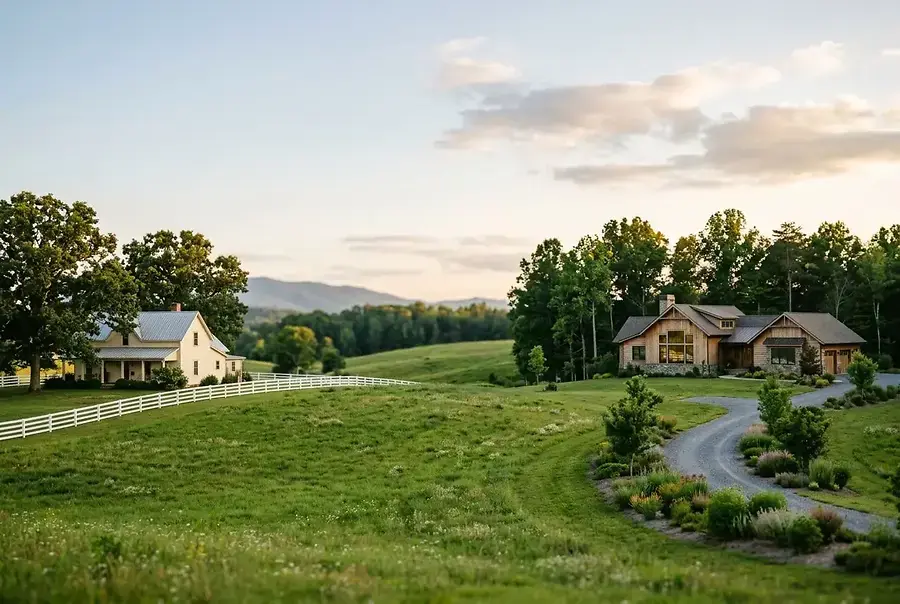
Understanding the Rural Real Estate Landscape
The rural residential market across North Carolina and Virginia has undergone a remarkable transformation in recent years. What was once considered a secondary market has now become a primary focus for homebuyers seeking affordable properties, spacious land, and a slower pace of life. This shift represents one of the most significant changes in regional real estate dynamics, reshaping how investors and homeowners approach property acquisition in these states.
The appeal of rural communities extends beyond mere affordability. Buyers are increasingly drawn to the lifestyle benefits that small-town living offers—from close-knit communities to access to outdoor recreation and agricultural opportunities. Understanding these market trends is essential for anyone looking to invest in or relocate to these areas.
Market Growth Patterns: Why Small Towns Are Attracting Homebuyers
The Remote Work Revolution
One of the most significant catalysts for rural market growth has been the widespread adoption of remote work arrangements. Professionals who once felt tethered to urban centers can now live anywhere with reliable internet connectivity. This flexibility has opened doors for families and individuals to pursue their dream of rural living without sacrificing career opportunities or income stability.
Affordability and Value
Property prices in rural NC and VA communities remain substantially lower than their urban counterparts. A budget that might secure a modest townhouse in a metropolitan area can purchase a sprawling home with acreage in a small town. This economic advantage continues to drive migration patterns, particularly among first-time homebuyers and families seeking to maximize their purchasing power.
Quality of Life Improvements
Small-town communities are investing in infrastructure, schools, and amenities that enhance their appeal. Better broadband access, improved healthcare facilities, and enhanced recreational opportunities are making rural living increasingly attractive. These improvements create a positive feedback loop, attracting more residents and businesses to the area.
Investment Opportunities
Real estate investors have recognized the potential in rural markets. Lower entry costs combined with growing demand create favorable conditions for property appreciation and rental income opportunities. Agricultural properties, vacation rentals, and residential developments are all experiencing increased interest from savvy investors.
Key Factors Affecting Property Values in NC & VA Communities
Location and Accessibility
Proximity to larger urban centers significantly impacts property values in rural areas. Communities within reasonable driving distance to major cities like Charlotte, Raleigh, Richmond, or Washington D.C. command premium prices. Accessibility to highways, airports, and services remains a critical factor in determining market value and buyer interest.
Land Quality and Agricultural Potential
In agricultural regions, soil quality, water access, and land size directly influence property values. Buyers interested in farming, gardening, or simply having substantial acreage prioritize these characteristics. Properties with development potential or existing agricultural infrastructure often see stronger appreciation.
Community Development and Infrastructure
The presence of quality schools, healthcare facilities, and commercial establishments boosts property values significantly. Communities investing in broadband infrastructure, water systems, and road improvements attract more buyers and command higher prices. Local government initiatives and planning efforts shape long-term market trajectories.
Natural Amenities and Recreation
Access to natural features—mountains, rivers, forests, and parks—enhances property desirability and values. Communities near hiking trails, fishing spots, or scenic landscapes appeal to lifestyle-oriented buyers willing to pay premium prices. Environmental preservation efforts and outdoor recreation opportunities are increasingly important market drivers.
Population Trends and Demographics
Communities experiencing population growth typically see stronger property value appreciation. Younger families relocating to rural areas, retirees seeking affordable living, and remote workers all contribute to demographic shifts that influence market dynamics. Understanding these population movements helps predict future market performance.
Economic Diversification
Communities with diverse economic bases—combining agriculture, tourism, light manufacturing, and service industries—demonstrate more stable property markets. Areas dependent on single industries face greater volatility. Economic development initiatives and business recruitment efforts strengthen long-term market fundamentals.
Positioning Yourself as the Local Market Expert
For real estate professionals and investors, understanding these rural market trends is essential for success. Deep knowledge of local conditions, community development plans, and demographic trends sets apart true market experts from generalists. Building relationships with local government officials, business leaders, and community organizations provides valuable insights into future market directions.
The rural residential markets in North Carolina and Virginia present compelling opportunities for those who understand the underlying dynamics. By recognizing the factors driving buyer interest and property appreciation, you can make informed decisions about investments, pricing strategies, and market positioning.
The future of real estate in these regions belongs to those who understand that rural living is no longer a compromise—it's a choice driven by lifestyle preferences, economic advantages, and genuine community appeal.
Whether you're a buyer seeking your ideal property, an investor evaluating opportunities, or a professional serving these markets, staying informed about these trends ensures you remain competitive and successful in this dynamic landscape.