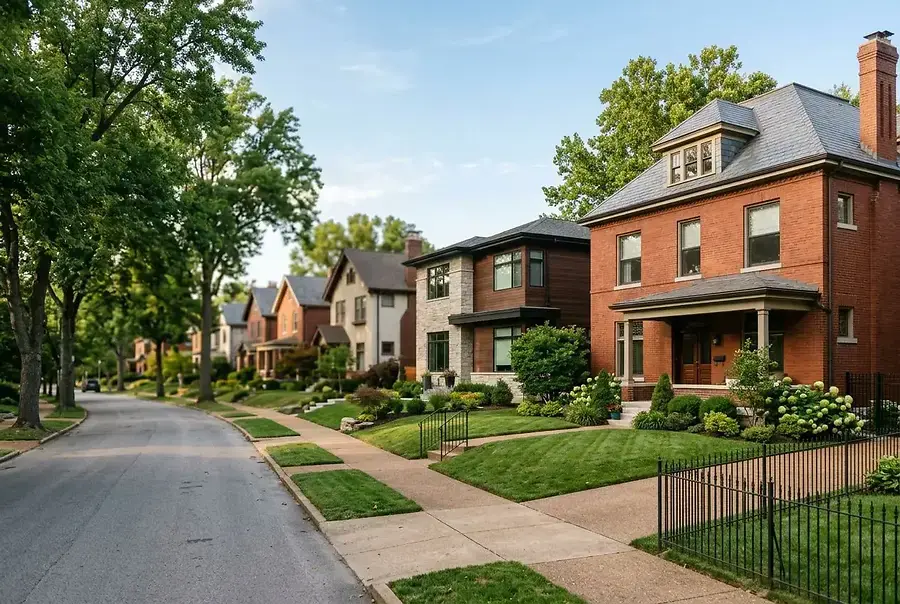
Why Saint Louis Property Values Matter to Homeowners
Understanding property values in Saint Louis is essential for any homeowner, whether you're planning to sell, refinance, or simply want to know your home's worth. Real estate represents one of the largest investments most people make in their lifetime, and the Saint Louis market offers unique opportunities and challenges that differ from national trends. Property values don't remain static—they fluctuate based on numerous economic, social, and geographic factors that directly impact your equity and financial future.
For homeowners in Saint Louis, staying informed about market trends helps you make strategic decisions about timing a sale, understanding your home's appreciation potential, and recognizing when your property might be undervalued or overpriced. Whether you're a first-time buyer or a seasoned investor, grasping these fundamentals puts you in control of your real estate decisions.
Key Market Factors Influencing Saint Louis Real Estate Prices
Economic Conditions and Employment
The Saint Louis economy plays a significant role in determining property values. Strong employment opportunities and a diverse job market attract new residents and increase demand for housing. Major employers in the region, including healthcare, technology, and financial services sectors, create stability in the housing market. When employment rates rise, more people can afford to purchase homes, driving prices upward. Conversely, economic downturns can suppress demand and put downward pressure on values.
Interest Rates and Financing Availability
Mortgage interest rates directly affect how much buyers can afford to spend on homes. Lower interest rates make borrowing cheaper, increasing buyer purchasing power and demand for properties. When rates rise, monthly mortgage payments become more expensive, reducing the number of qualified buyers and potentially cooling the market. Additionally, the availability of financing options influences how easily buyers can secure loans, which impacts overall market activity and price levels.
Supply and Demand Dynamics
Like any market, real estate in Saint Louis follows basic supply and demand principles. When inventory is low and demand is high, prices typically increase. Conversely, an oversupply of homes with limited buyer interest can lead to price reductions. The balance between these forces constantly shifts, creating different market conditions—buyer's markets, seller's markets, or balanced markets—each with distinct implications for property values.
Property Condition and Age
The physical condition of a home significantly impacts its market value. Well-maintained properties with modern updates command higher prices than homes requiring substantial repairs. Factors such as roof condition, HVAC systems, plumbing, electrical systems, and overall structural integrity all influence valuation. Newer homes or recently renovated properties typically sell for premiums compared to older homes with deferred maintenance.
School District Quality
School district ratings remain one of the most influential factors affecting property values in Saint Louis. Families prioritize good schools, and homes in highly-rated districts consistently command higher prices. Even if you don't have school-age children, properties in excellent school districts appreciate faster and attract a broader buyer pool, making them more liquid investments.
Neighborhood-Specific Trends and Their Impact on Home Values
Location and Accessibility
Within Saint Louis, location dramatically affects property values. Homes near downtown areas, major employment centers, shopping districts, and public transportation tend to command premium prices. Walkability, commute times, and proximity to amenities influence buyer preferences and willingness to pay. Neighborhoods undergoing revitalization or development often see accelerating property value growth as infrastructure improves and new amenities arrive.
Neighborhood Demographics and Character
The demographic composition and character of a neighborhood influence its desirability and property values. Neighborhoods with diverse populations, strong community engagement, and low crime rates typically maintain stable or appreciating values. Community investments, local businesses, parks, and cultural attractions enhance neighborhood appeal and support property value growth. Conversely, neighborhoods experiencing population decline or increased crime may see stagnant or declining values.
Infrastructure and Development
Planned infrastructure projects, new commercial developments, and public improvements can significantly impact neighborhood property values. Announcements of new transit lines, shopping centers, or office parks often precede property value increases in affected areas. However, negative developments like industrial facilities or highway expansions can suppress values. Staying aware of local development plans helps you anticipate future market movements in your neighborhood.
Historical Appreciation Patterns
Different Saint Louis neighborhoods have distinct historical appreciation patterns. Some areas have consistently appreciated over decades, while others have experienced volatility or stagnation. Analyzing historical data for your specific neighborhood provides insights into long-term value trends and helps you understand whether current prices represent good value or potential overvaluation.
Seasonal Market Variations
Saint Louis real estate experiences seasonal fluctuations. Spring and summer typically see increased buyer activity and higher prices, while fall and winter often feature less competition and potentially better negotiating opportunities. Understanding these seasonal patterns helps you time your sale or purchase strategically to maximize value.
Making Informed Decisions Based on Market Data
To accurately assess your Saint Louis home's value, consider gathering multiple data points. Comparative market analysis (CMA) reports showing recent sales of similar properties provide the most reliable valuation method. Professional appraisals offer objective assessments based on standardized methodologies. Online valuation tools provide quick estimates but should be verified with professional analysis.
Track local market indicators including:
- Average days on market for homes in your neighborhood
- Price-to-list ratios showing how close homes sell to asking prices
- Inventory levels and months of supply
- Median home prices and price trends over time
- Foreclosure and distressed property activity
Working with a knowledgeable local real estate agent provides invaluable insights into current market conditions, neighborhood trends, and realistic pricing strategies. Agents with deep Saint Louis market experience understand nuances that generic online tools cannot capture.
Remember that property values ultimately reflect what buyers are willing to pay in the current market. Understanding the factors driving those decisions empowers you to make strategic choices about your most valuable asset.
By staying informed about economic conditions, market dynamics, neighborhood trends, and local developments, Saint Louis homeowners can confidently assess their property values and make decisions aligned with their financial goals. Whether you're planning to sell soon or hold long-term, this knowledge provides the foundation for successful real estate decisions.