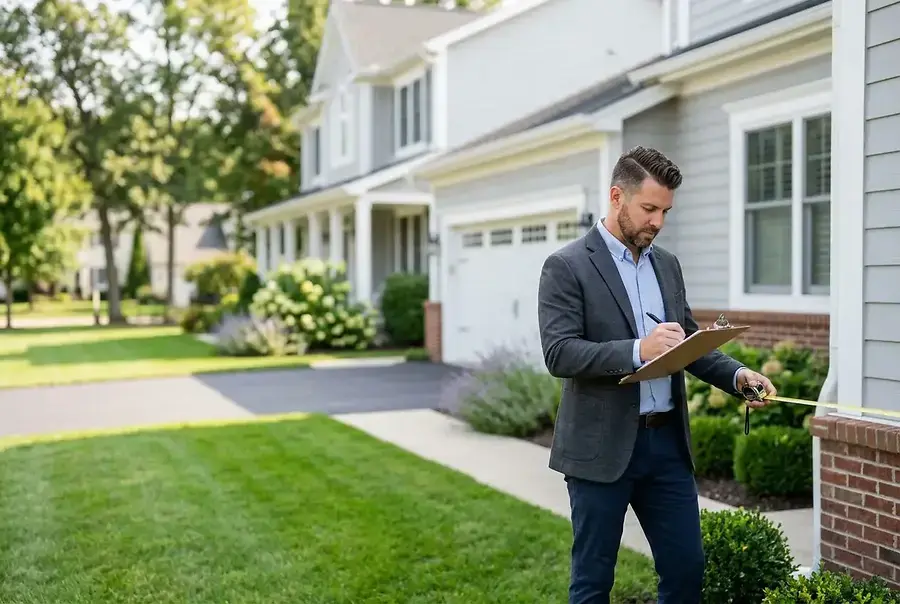
What Impacts Your Sparta Home's Appraisal Value
When a professional appraiser evaluates your Sparta home, they consider multiple factors that directly influence the final valuation. Understanding these elements can help you better prepare and set realistic expectations for your property's worth.
Location and Neighborhood Characteristics
The location of your home is one of the most significant factors in determining its value. Appraisers examine the neighborhood's desirability, proximity to schools, shopping centers, and employment hubs. They also assess the condition of surrounding properties and the overall community appeal. Homes in well-maintained neighborhoods with strong community amenities typically command higher valuations.
Property Size and Structure
The square footage of your home, lot size, and the number of bedrooms and bathrooms play crucial roles in appraisal calculations. Appraisers measure the living space and compare it to similar properties in your area. The age and structural integrity of your home also matter significantly. Newer homes or those with recent major renovations often receive higher appraisals than older properties with deferred maintenance.
Condition and Maintenance
The overall condition of your property directly impacts its appraised value. Appraisers look for signs of wear and tear, water damage, roof condition, foundation integrity, and the functionality of major systems like HVAC, plumbing, and electrical. Well-maintained homes with updated systems receive higher valuations than properties requiring significant repairs.
Recent Comparable Sales
Appraisers use recent sales data from comparable properties in your area to establish market value. They analyze homes similar in size, age, condition, and location that have sold recently. This comparative market analysis is fundamental to the appraisal process and ensures your home's valuation aligns with current market conditions.
How to Prepare Your Property for a Professional Appraisal
Taking time to prepare your home before the appraiser arrives can positively influence the final valuation. Here are essential steps to maximize your property's appraisal value.
Enhance Curb Appeal
First impressions matter significantly in the appraisal process. Before the appraiser arrives, ensure your home's exterior looks its best:
- Maintain your lawn and landscaping
- Clean or paint the front door
- Repair any visible exterior damage
- Ensure the driveway and walkways are clean and in good condition
- Update house numbers and lighting fixtures if needed
Organize Interior Spaces
A clean, organized interior creates a positive impression and allows the appraiser to easily assess the property's condition. Declutter rooms, clean thoroughly, and ensure all areas are accessible. Remove personal items and excessive decorations that might distract from the home's features.
Document Recent Improvements
Gather documentation for any recent renovations, repairs, or upgrades you've made. This includes receipts, permits, and contractor information. Having proof of quality work can significantly boost your appraisal value, especially for major improvements like roof replacements, HVAC upgrades, or kitchen renovations.
Ensure Systems Are Functional
Before the appraisal, verify that all major systems are working properly. Test heating and cooling systems, check that plumbing fixtures function correctly, and ensure electrical outlets work. Appraisers note any non-functional systems, which can negatively impact your valuation.
Common Appraisal Issues and How to Address Them
Understanding potential appraisal challenges allows you to address them proactively and protect your property's value.
Deferred Maintenance
One of the most common issues appraisers identify is deferred maintenance. Addressing visible repairs before the appraisal can prevent significant value reductions. Focus on fixing leaky faucets, repairing damaged walls, replacing broken windows, and addressing any structural concerns.
Outdated Systems and Features
Older homes may have outdated electrical, plumbing, or HVAC systems that appraisers note as deficiencies. While you may not need to replace everything, ensuring systems are functional and safe is essential. Consider upgrading the most visible and functional systems if budget allows.
Comparable Sales Challenges
In some Sparta neighborhoods, finding recent comparable sales can be challenging. If your appraiser struggles to find similar properties, provide information about recent sales in your area. This helps establish a fair market value for your unique property.
Unique Features and Customizations
Highly customized homes or those with unique features may receive lower appraisals if appraisers cannot find comparable properties. Document the quality and appeal of special features, and be prepared to discuss how they enhance your home's value and functionality.
Why Appraisals Matter in Your Real Estate Transaction
Home appraisals serve critical functions in real estate transactions that extend far beyond simple valuation.
Protecting Lender Interests
Lenders require appraisals to ensure the property value supports the loan amount. An appraisal that comes in lower than the purchase price can create complications, potentially requiring a larger down payment or renegotiation of terms. Understanding this dynamic helps you prepare appropriately.
Establishing Fair Market Value
Appraisals provide an objective assessment of your home's market value based on professional analysis and comparable data. This protects both buyers and sellers by ensuring transactions occur at fair market prices rather than inflated or undervalued amounts.
Informing Investment Decisions
For property investors and homeowners considering refinancing, appraisals provide crucial information about property equity and investment returns. Accurate valuations help guide financial decisions and long-term planning.
Supporting Insurance and Tax Assessments
While separate from official tax assessments, appraisals can inform insurance valuations and help homeowners understand their property's worth for coverage purposes. This information proves valuable when reviewing insurance policies and ensuring adequate coverage.
Preparing your Sparta home for appraisal is an investment in your real estate transaction's success. By understanding what appraisers evaluate and taking proactive steps to present your property in its best light, you can help ensure a fair and accurate valuation that supports your financial goals.