Understanding Zoning Classifications and Mixed-Use Designations
Zoning laws are the foundation of urban planning and property development. They dictate how land can be used within specific geographic areas, creating distinct zones for residential, commercial, industrial, and agricultural purposes. For investors interested in mixed-use properties, understanding these classifications is crucial to success.
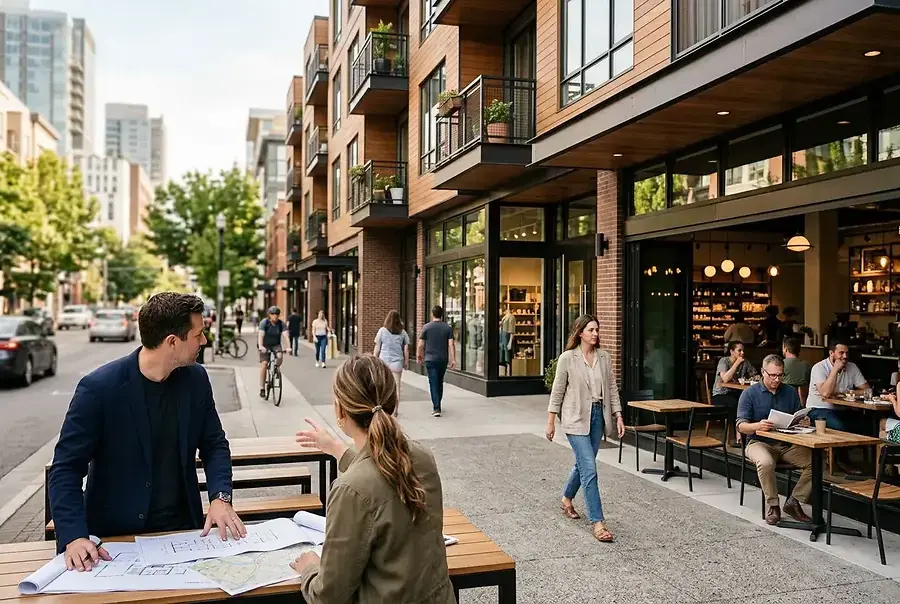
Mixed-use designations are increasingly popular in modern urban development. These zones allow properties to combine residential units with commercial spaces, such as retail shops, offices, or restaurants on the ground floor with apartments above. This hybrid approach creates vibrant communities while maximizing property value and income potential.
Types of Zoning Classifications
Most municipalities use a hierarchical zoning system:
- Residential (R) Zones: Designated for single-family homes, multi-family apartments, and housing developments
- Commercial (C) Zones: Reserved for retail stores, offices, and service businesses
- Industrial (I) Zones: Allocated for manufacturing, warehousing, and heavy industry
- Mixed-Use (MU) Zones: Allow combinations of residential and commercial uses within the same property or development
Within each category, there are often subcategories. For example, C1 might designate neighborhood commercial zones, while C2 could represent regional commercial districts. Understanding these nuances helps investors identify properties with the greatest flexibility and income potential.
How Zoning Laws Impact Property Value and Income Potential
Zoning regulations directly influence both the market value of a property and its income-generating capacity. A property zoned for mixed-use development can generate revenue from multiple sources simultaneously, making it significantly more valuable than a property restricted to single-use.
Revenue Diversification
Mixed-use properties allow investors to diversify income streams. A property with residential units upstairs and commercial tenants downstairs provides stability through multiple revenue sources. If commercial rental rates decline, residential income can offset losses, and vice versa.
Market Demand and Appreciation
Properties in mixed-use zones often appreciate faster than single-use properties. Urban professionals increasingly prefer walkable neighborhoods where they can live, work, and shop in the same area. This demand drives property values upward and attracts quality tenants willing to pay premium rents.
Mixed-use developments have shown 15-25% higher appreciation rates compared to single-use properties in comparable markets, according to recent real estate analysis.
Flexibility and Future-Proofing
Zoning flexibility provides protection against market shifts. If commercial demand weakens, you can pivot to residential focus. This adaptability makes mixed-use properties more resilient investments in changing economic conditions.
Common Zoning Challenges and Solutions for Hybrid Properties
While mixed-use properties offer tremendous potential, they also present unique challenges that investors must navigate carefully.
Parking and Traffic Concerns
One of the most common objections from local authorities and neighbors involves parking and traffic congestion. Mixed-use properties generate more foot traffic and vehicle movement than single-use properties.
Solutions include:
- Designing shared parking facilities that serve both residential and commercial tenants
- Incorporating public transportation access and bike parking
- Implementing staggered business hours to reduce peak traffic times
- Creating detailed traffic impact studies to demonstrate manageable solutions
Noise and Nuisance Issues
Residential tenants may object to noise from commercial operations, especially restaurants, bars, or entertainment venues. This requires careful planning and tenant selection.
Effective solutions involve sound insulation between residential and commercial spaces, establishing quiet hours, and selecting compatible commercial tenants that won't create excessive noise or disturbance.
Zoning Variances and Conditional Use Permits
Sometimes your intended use doesn't perfectly align with existing zoning. In these cases, you may need to request a variance or conditional use permit. While possible, these processes can be lengthy and uncertain.
The best approach is to work with experienced local consultants who understand your municipality's approval process and can help you build a compelling case for your project.
Working with Local Authorities: Permits and Approval Processes
Successfully developing mixed-use properties requires strong relationships with local government and a thorough understanding of the approval process.
Pre-Development Due Diligence
Before purchasing a property, conduct comprehensive zoning research. Verify the current zoning classification, review any restrictions or limitations, and identify potential conflicts with your intended use. Many municipalities provide zoning maps and detailed ordinances online, but consulting with a local land-use attorney adds valuable expertise.
Engaging with Planning Departments
Establish early communication with your local planning department. Present your project concept and ask for feedback before investing significant resources. Planning officials can identify potential obstacles and suggest modifications that will streamline the approval process.
The Permit Application Process
The typical process involves several steps:
- Preliminary Review: Submit initial plans and project description for departmental feedback
- Formal Application: Complete comprehensive application with detailed site plans, architectural drawings, and impact assessments
- Public Notification: Neighbors and stakeholders receive notice of your project
- Public Hearing: Present your project to the planning commission or zoning board
- Approval or Conditional Approval: Receive decision with any required modifications
Building Community Support
Neighborhood opposition can derail even well-designed projects. Invest time in community engagement. Host information sessions, address concerns directly, and demonstrate how your project benefits the neighborhood through job creation, improved walkability, and tax revenue.
Key strategies for building support include:
- Hosting community meetings early in the planning process
- Addressing environmental and traffic concerns with professional studies
- Offering design modifications that align with neighborhood character
- Highlighting economic benefits and community improvements
Working with Professional Consultants
Consider hiring land-use attorneys, urban planners, and traffic engineers. These professionals understand local regulations, have relationships with planning officials, and can navigate complex approval processes more efficiently. Their expertise often saves time and money by avoiding costly mistakes.
Mixed-use property investments offer exceptional opportunities for savvy investors willing to navigate zoning complexities. By understanding zoning classifications, anticipating challenges, and working effectively with local authorities, you can unlock significant value and create thriving communities that benefit residents, businesses, and your bottom line.