Understanding Your Lifestyle Priorities in Metro Detroit Communities
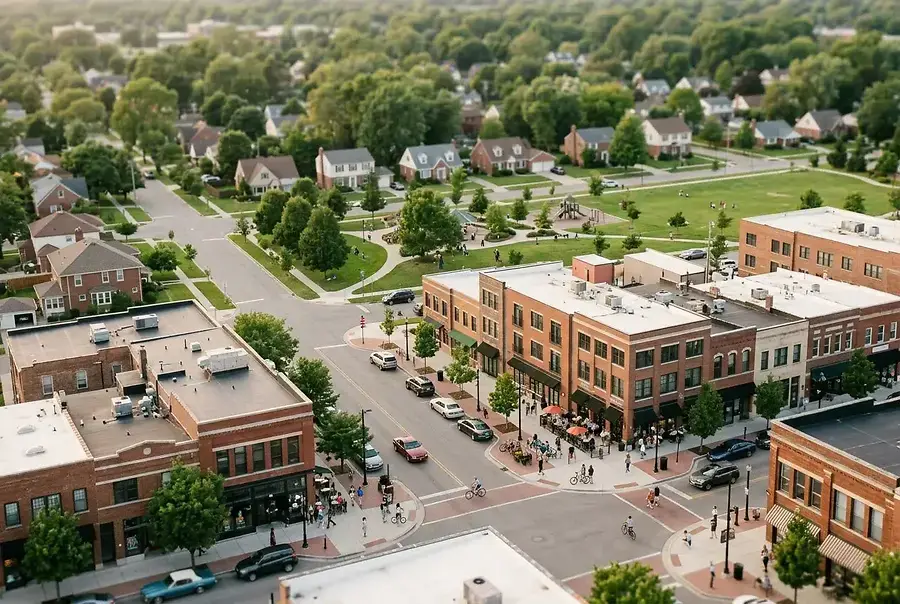
Choosing where to live in the Greater Detroit Area is more than just finding a house—it's about selecting a lifestyle that aligns with your values, family needs, and daily priorities. Whether you're drawn to the vibrant walkability of urban neighborhoods or the spacious tranquility of suburban communities, Metro Detroit offers diverse options to suit every preference.
The decision between urban and suburban living often comes down to three key factors: walkability and convenience, community amenities and culture, and affordability and home values. Understanding how these elements intersect across different neighborhoods will help you make an informed choice that enhances your quality of life.
Comparing Walkability Scores and Local Amenities Across 14 Key Neighborhoods
High-Walkability Urban Centers
Metro Detroit's most walkable neighborhoods cluster around downtown areas and established commercial districts. These communities offer residents the ability to accomplish daily tasks on foot or via public transportation, reducing dependence on personal vehicles.
Downtown Detroit and Midtown lead the region with exceptional walkability scores. Residents enjoy proximity to restaurants, cultural institutions, galleries, and entertainment venues. The trade-off typically involves smaller living spaces and higher price points per square foot.
Corktown has emerged as a revitalized neighborhood combining historic charm with modern amenities. Its tree-lined streets, local boutiques, and craft breweries create a vibrant pedestrian-friendly environment that attracts young professionals and families seeking urban authenticity.
Balanced Suburban Communities
Troy represents the sweet spot for many families seeking suburban comfort with urban conveniences. With a walkability score in the moderate-to-high range, Troy offers shopping centers, dining options, and parks within reasonable distances. The community maintains excellent schools and a strong sense of civic engagement.
Bloomfield Hills provides upscale suburban living with carefully planned neighborhoods. While less walkable than urban centers, the community compensates with pristine parks, country clubs, and top-rated schools. Residents typically prioritize space and privacy over pedestrian convenience.
Westland offers affordable suburban living with growing amenities. The community has invested in parks and recreational facilities, making it attractive to budget-conscious families who don't require high walkability scores.
Emerging Neighborhoods Worth Considering
Communities like Ferndale, Royal Oak, and Dearborn are gaining attention for their balanced approach to walkability and affordability. These neighborhoods feature improving public spaces, local business districts, and increasing cultural offerings that appeal to diverse demographics.
Transportation Options, School Access, and Recreation: What Matters Most to Your Family
Public Transportation and Commuting
Metro Detroit's public transportation network, anchored by QLINE and bus systems, continues to expand. If you work downtown or prefer not to drive daily, proximity to transit corridors becomes essential. Neighborhoods along the QLINE offer enhanced connectivity and typically command premium prices.
For those driving to suburban employment centers, communities with easy freeway access—such as Troy and Westland—provide practical advantages despite lower walkability scores.
School Quality and Family Considerations
School district quality significantly influences neighborhood choice for families with children. Top-performing districts include:
- Bloomfield Hills Schools—consistently ranked among Michigan's best
- Troy School District—strong academics with diverse programming
- Dearborn Public Schools—excellent STEM and language programs
- Grosse Pointe Schools—historic excellence and community engagement
Families should balance school quality against other lifestyle factors. Premium school districts often correlate with higher housing costs, so determining your budget ceiling helps narrow options.
Recreation and Community Amenities
Metro Detroit neighborhoods vary significantly in recreational offerings. Consider what matters most to your family:
- Parks and trails: Bloomfield Hills and Troy offer extensive park systems; downtown neighborhoods provide urban green spaces
- Cultural institutions: Detroit's museums, theaters, and galleries cluster downtown and in Midtown
- Sports and fitness: Most communities offer recreation centers; urban areas provide more boutique fitness options
- Dining and entertainment: Urban neighborhoods excel here; suburban areas increasingly develop local dining scenes
Making Your Perfect Lifestyle Match in the Greater Detroit Area
Defining Your Priorities
Before house hunting, create a priority list. Ask yourself:
- How important is walkability to my daily happiness?
- What's my realistic commute tolerance?
- Do I prioritize school quality, space, affordability, or cultural access?
- What community characteristics make me feel at home?
No neighborhood perfectly balances all factors. The goal is finding the community where your top priorities align with available amenities and your budget.
Beyond the Numbers
Walkability scores and school ratings provide valuable data, but they don't capture everything. Visit neighborhoods at different times—weekday mornings, weekend afternoons, and evening hours. Walk the streets. Visit local coffee shops. Talk to residents. These experiences reveal whether a community's character matches your lifestyle vision.
The Bigger Picture
Metro Detroit's neighborhoods continue evolving. Communities like Corktown and Ferndale demonstrate that revitalization creates new opportunities. Emerging neighborhoods often offer better value than established premium areas while developing the amenities that attract residents.
Your ideal neighborhood exists within Metro Detroit's diverse landscape. Whether you choose the vibrant walkability of downtown, the balanced convenience of Troy, the upscale tranquility of Bloomfield Hills, or the affordable comfort of Westland, the key is aligning your choice with your authentic lifestyle priorities. Take time to explore, ask questions, and trust your instincts about where you'll thrive.