Introduction: The Walkability Premium in DFW Real Estate
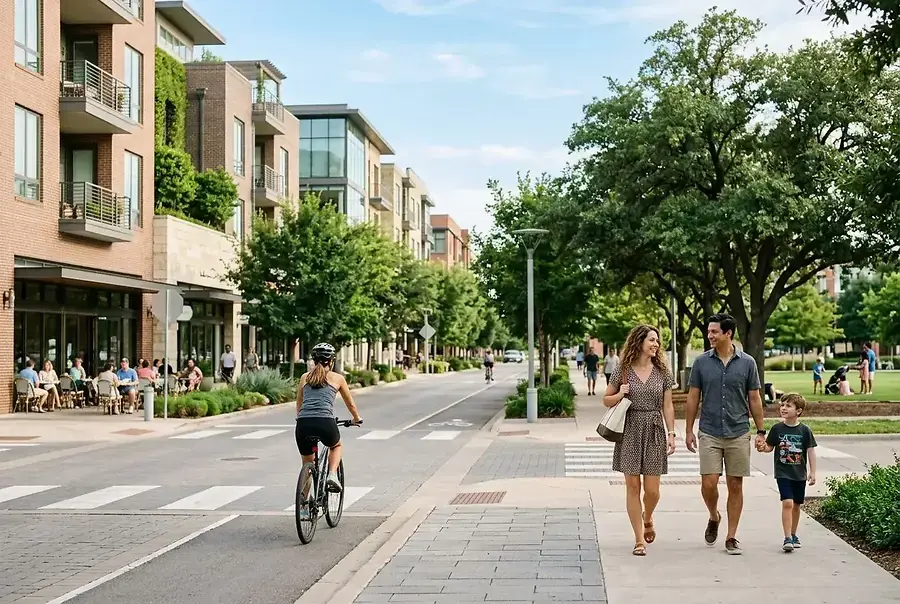
In the Dallas-Fort Worth metroplex, a quiet revolution is reshaping how homebuyers evaluate properties. It's no longer just about square footage or the number of bedrooms—walkability and lifestyle amenities are becoming the primary drivers of home value. Neighborhoods where residents can stroll to coffee shops, restaurants, parks, and retail centers are commanding premium prices, and for good reason.
The shift reflects a broader change in how people want to live. After years of suburban sprawl and car-dependent communities, DFW residents are increasingly seeking neighborhoods that offer convenience, community connection, and a higher quality of life. This preference isn't just changing buyer behavior—it's fundamentally reshaping property values across North Texas.
How Neighborhood Walkability Affects Property Values Across North Texas Communities
The Walkability Premium Explained
Research consistently shows that walkable neighborhoods command price premiums of 5-20% compared to car-dependent areas. In the DFW region, this translates to tens of thousands of dollars in added home value. But why does proximity to amenities matter so much?
- Convenience and Time Savings: Residents in walkable areas spend less time commuting and running errands, reclaiming hours each week for family, hobbies, and relaxation.
- Health and Wellness: Neighborhoods designed for walking encourage physical activity, reducing sedentary lifestyles and promoting better overall health.
- Community Connection: Walkable streets naturally foster social interaction, creating stronger neighborhood bonds and a genuine sense of community.
- Environmental Benefits: Less reliance on cars means reduced carbon footprints, appealing to environmentally conscious buyers.
- Economic Resilience: Neighborhoods with thriving local businesses and diverse amenities tend to maintain property values better during economic downturns.
Case Studies: DFW Communities Leading the Walkability Movement
Southlake has emerged as a premier example of walkability done right. The town's mixed-use developments, including The Town Center, combine residential, retail, dining, and entertainment in a pedestrian-friendly environment. Homes within walking distance of these amenities consistently sell at higher prices and experience faster appreciation.
Coppell offers another compelling model. With its emphasis on parks, trails, and community gathering spaces, Coppell has created neighborhoods where families can walk to schools, parks, and local businesses. This intentional design has made Coppell one of the most desirable suburbs in North Texas, with property values reflecting the lifestyle premium.
Frisco continues to invest in mixed-use developments and pedestrian infrastructure. The Frisco Square and surrounding neighborhoods demonstrate how thoughtful urban planning creates both lifestyle value and strong property appreciation.
Comparing Lifestyle Amenities: Which DFW Suburbs Offer the Best Walkability
Top Walkable Neighborhoods in DFW
When evaluating DFW communities for walkability, several neighborhoods stand out:
- Southlake Town Center Area: Premium walkability with high-end dining, shopping, and entertainment. Homes here command top-tier prices due to unparalleled convenience and lifestyle amenities.
- Coppell's Legacy Area: Family-friendly walkable neighborhoods with excellent schools, parks, and community spaces. Strong appeal to young families seeking balance between suburban living and urban convenience.
- Frisco Square District: Vibrant mixed-use development with restaurants, shops, and cultural venues. Growing rapidly as a destination for those seeking urban lifestyle within suburban setting.
- Plano's Legacy West: Tech-forward community with office spaces, restaurants, and residential options. Attracts professionals seeking walkable, modern neighborhoods.
- McKinney's Historic Downtown: Charming walkable core with local businesses, restaurants, and community events. Offers authentic small-town character with growing urban amenities.
Key Amenities That Drive Value
Not all amenities are created equal when it comes to walkability premiums. The most valuable proximity includes:
Dining and Entertainment: Restaurants, cafes, and entertainment venues are among the most sought-after walkable amenities. Neighborhoods with diverse dining options see stronger demand and higher values.
Parks and Recreation: Access to quality parks, trails, and fitness facilities significantly impacts property values. Families particularly value neighborhoods where children can safely walk to playgrounds and sports facilities.
Retail and Services: Proximity to grocery stores, pharmacies, and everyday services reduces reliance on cars and adds convenience that buyers willingly pay premium prices to access.
Schools: While school quality is always important, walkable access to top-rated schools creates additional value. Parents appreciate neighborhoods where children can safely walk or bike to school.
Cultural and Community Spaces: Libraries, community centers, theaters, and gathering spaces create vibrant neighborhoods that attract residents and support property values.
The Technology Factor
Modern walkability assessment tools now help buyers and investors evaluate neighborhoods more precisely. Walk Score and similar metrics provide quantifiable walkability ratings, making it easier to compare communities and understand the lifestyle value proposition. Properties in high-walkability areas (scores above 70) consistently show stronger appreciation and faster sales.
Conclusion: Making Your Location Decision Based on Lifestyle Needs
The DFW real estate market is increasingly rewarding communities that prioritize walkability and lifestyle amenities. Whether you're a first-time homebuyer, growing family, or investor, understanding how location shapes property value is essential to making smart real estate decisions.
The walkability premium isn't just about convenience—it's about investing in a lifestyle. Homes in walkable neighborhoods offer better quality of life, stronger community connections, and superior long-term value appreciation. As DFW continues to grow and evolve, these lifestyle-focused communities will likely command even greater premiums.
When evaluating potential homes, look beyond the property itself. Consider the neighborhood's walkability score, proximity to amenities that matter to your lifestyle, and the community's long-term development plans. In today's DFW market, location isn't just important—it's often the most valuable investment you can make.
The homes that will appreciate most over the next decade won't just be well-built—they'll be well-located in communities designed for how people actually want to live.