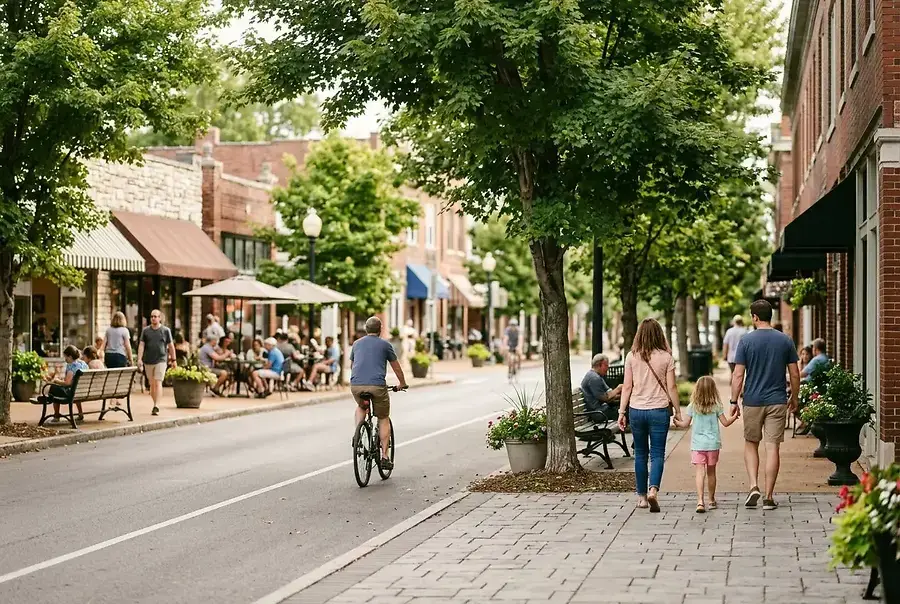
Why Walkability Matters for Homebuyers
When searching for a new home, most people focus on square footage, price, and school ratings. However, an increasingly important factor that savvy homebuyers are considering is walkability. Walkability refers to how easily residents can accomplish errands on foot and access essential services without relying on a car.
For families and professionals alike, living in a walkable community offers numerous advantages. Walkable neighborhoods promote healthier lifestyles, reduce transportation costs, and create vibrant social environments where neighbors interact naturally. Whether you're a young professional, a growing family, or someone looking to downsize, understanding walkability scores can help you make a more informed decision about where to invest in real estate.
The St. Louis metropolitan area has several suburban communities that excel in pedestrian-friendliness, offering residents the perfect balance between suburban living and urban convenience.
Walkability Leaders: Top-Ranked Communities in the Region
Clayton
Clayton stands out as one of the most walkable suburbs in the St. Louis area. This upscale community features tree-lined streets, excellent public transportation connections, and a thriving downtown district packed with restaurants, boutiques, and cultural attractions. Residents can easily walk to the Clayton Public Library, numerous parks, and a variety of dining options, making it ideal for those who prefer a car-optional lifestyle.
Webster Groves
Known for its charming character and strong sense of community, Webster Groves offers impressive walkability scores. The neighborhood features beautiful residential streets, a vibrant downtown area, and excellent access to shopping and dining. The community's commitment to maintaining pedestrian-friendly infrastructure makes it a top choice for families seeking an active, connected lifestyle.
Kirkwood
Kirkwood combines small-town charm with suburban convenience and strong walkability. The downtown area is particularly pedestrian-friendly, with sidewalks connecting to shops, restaurants, and entertainment venues. The community's investment in public spaces and pedestrian infrastructure has made it increasingly popular among homebuyers who value walkable neighborhoods.
University City
Home to Washington University, University City benefits from a younger demographic and a focus on pedestrian accessibility. The Delmar Loop district is especially walkable, featuring independent shops, restaurants, galleries, and entertainment venues all within walking distance. This neighborhood appeals to those seeking an urban feel with suburban affordability.
Maplewood
Maplewood has emerged as a walkable alternative for those seeking a more eclectic, artsy community. The neighborhood offers diverse dining options, local shops, and cultural attractions accessible on foot. Its growing popularity reflects a broader trend of people prioritizing walkability and community character over traditional suburban sprawl.
How Walkability Impacts Property Values and Lifestyle
Property Value Appreciation
Research consistently shows that walkable neighborhoods command higher property values and experience stronger appreciation over time. Homes in pedestrian-friendly areas tend to sell faster and at premium prices compared to car-dependent suburbs. This trend reflects growing demand from buyers who recognize the long-term value of walkability.
Lifestyle Benefits
Beyond financial considerations, walkable neighborhoods offer tangible lifestyle improvements:
- Health and Wellness: Residents naturally incorporate more physical activity into their daily routines through walking.
- Community Connection: Pedestrian-friendly streets encourage social interaction and foster stronger neighborhood bonds.
- Cost Savings: Reduced reliance on vehicles means lower transportation expenses and maintenance costs.
- Environmental Impact: Walkable communities have smaller carbon footprints and contribute to sustainability goals.
- Convenience: Access to shops, restaurants, and services without driving saves time and reduces stress.
Measuring Walkability
Walkability scores are typically calculated based on several factors, including proximity to amenities, street connectivity, population density, and pedestrian friendliness. Scores generally range from 0 to 100, with higher scores indicating more walkable areas. When evaluating neighborhoods, it's worth checking these scores alongside other factors like school quality and commute times.
Finding Your Perfect Walkable Neighborhood
What to Look For
When evaluating a neighborhood's walkability, consider these key elements:
- Proximity to grocery stores, pharmacies, and other essential services
- Quality and connectivity of sidewalks and pedestrian pathways
- Access to parks, recreation facilities, and green spaces
- Availability of public transportation options
- Density and variety of restaurants, shops, and entertainment venues
- Traffic patterns and street safety for pedestrians
Making Your Decision
The best walkable neighborhood for you depends on your personal priorities and lifestyle. Young professionals might prefer the urban energy of University City or the Delmar Loop, while families might gravitate toward the established charm of Webster Groves or Kirkwood. Take time to visit potential neighborhoods during different times of day, walk the streets, and imagine yourself living there.
Conclusion: Finding Your Perfect Walkable Neighborhood
The St. Louis area offers several excellent options for those seeking walkable suburban living. From the upscale sophistication of Clayton to the artistic vibrancy of Maplewood, these communities demonstrate that suburban living doesn't require sacrificing convenience or community connection.
As more homebuyers prioritize walkability, these neighborhoods continue to evolve and improve their pedestrian infrastructure. Whether you're looking to reduce your reliance on cars, build stronger community connections, or simply enjoy a more active lifestyle, exploring the walkable suburbs of St. Louis could lead you to your ideal home.
Start your search today by visiting these communities, checking walkability scores, and imagining the lifestyle you want to live. Your perfect walkable neighborhood might be closer than you think.