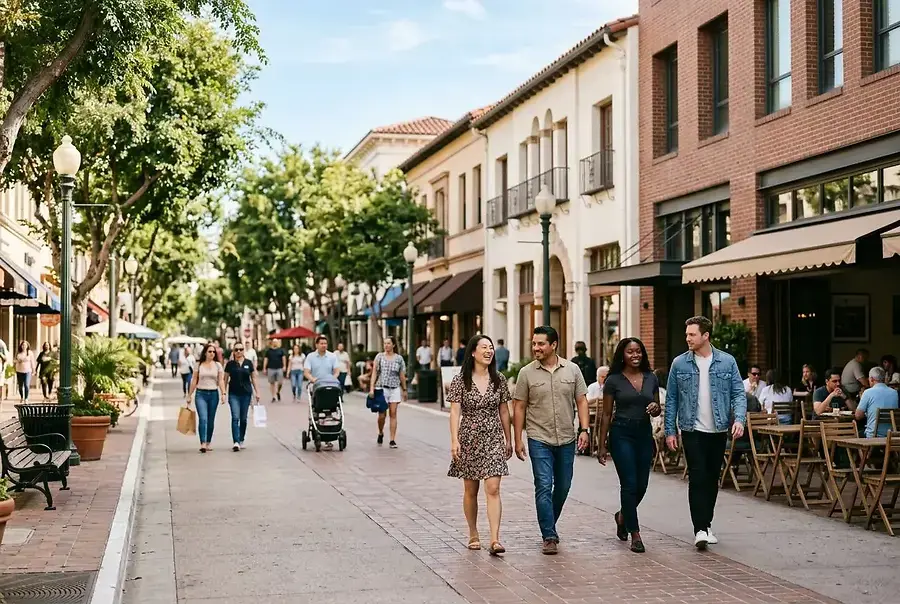
The Growing Appeal of Walkable Neighborhoods
The dream of car-free living is no longer confined to major metropolitan areas like New York or San Francisco. Southern California, traditionally known for its car-dependent sprawl, is experiencing a significant shift toward walkable neighborhoods. More residents are seeking communities where they can accomplish daily tasks—from grabbing coffee to shopping for groceries—without relying on their vehicles.
This trend reflects a broader change in lifestyle preferences. People are increasingly valuing convenience, sustainability, and community connection over the isolation that comes with car-dependent living. Walkable neighborhoods offer a unique blend of urban amenities and Southern California's renowned lifestyle, making them an attractive option for families, young professionals, and retirees alike.
Beyond personal preference, walkable communities often experience stronger property values and rental demand. Residents appreciate the reduced transportation costs, improved health from increased physical activity, and the vibrant social atmosphere that naturally develops in pedestrian-friendly areas.
Top Walkable Communities from Upland to Newport Beach
Upland's Downtown Renaissance
Upland has undergone a remarkable transformation in recent years, with its downtown core becoming increasingly pedestrian-friendly. The revitalized downtown area features local shops, restaurants, and cultural venues within easy walking distance. The community's commitment to walkability has made it an emerging destination for those seeking suburban charm with urban convenience.
Pasadena: A Timeless Walkable Gem
Pasadena stands as one of Southern California's premier walkable neighborhoods. The downtown area around Colorado Boulevard offers:
- Diverse dining options from casual to fine dining
- Independent boutiques and major retailers
- Cultural attractions including theaters and galleries
- Beautiful tree-lined streets perfect for strolling
- Proximity to parks and outdoor recreation
Residents can meet most daily needs within a 15-minute walk, making Pasadena a model for Southern California walkability.
Long Beach: Urban Living by the Water
Long Beach combines walkability with waterfront living. The downtown area and surrounding neighborhoods feature excellent pedestrian infrastructure, public transportation, and a thriving cultural scene. The proximity to the beach, combined with walkable shopping and dining districts, makes Long Beach particularly appealing for those seeking an active lifestyle.
Santa Monica: The Coastal Walkable Paradise
Santa Monica has long been recognized as one of California's most walkable communities. The Third Street Promenade, Main Street, and surrounding neighborhoods offer:
- World-class shopping and dining
- Beach access within walking distance
- Excellent public transportation connections
- Year-round outdoor activities
- Strong community events and cultural programming
Culver City: The Creative Hub
Culver City has emerged as a vibrant walkable neighborhood with a creative flair. The downtown area features art galleries, independent restaurants, and entertainment venues. The community's focus on arts and culture, combined with pedestrian-friendly streets, attracts creative professionals and families.
Newport Beach: Luxury Walkability
Newport Beach offers a more upscale take on walkable living. The Fashion Island area and surrounding neighborhoods provide high-end shopping, dining, and entertainment within walking distance. While more affluent than other options, Newport Beach demonstrates that walkability can be achieved at various price points and lifestyle levels.
Benefits of Walkable Living for Your Lifestyle and Property Value
Health and Wellness Advantages
Living in a walkable neighborhood naturally increases daily physical activity. Residents who walk to shops, restaurants, and entertainment venues get regular exercise without the need for gym memberships or dedicated workout time. This increased activity contributes to better cardiovascular health, weight management, and overall wellness.
Financial Benefits
The financial advantages of walkable living extend beyond reduced gas and car maintenance expenses. Consider these benefits:
- Lower transportation costs (gas, insurance, maintenance)
- Reduced need for multiple vehicles per household
- Higher property values and rental demand
- Lower parking-related expenses
- Potential for reduced healthcare costs due to increased activity
Environmental Impact
Choosing to walk instead of drive significantly reduces your carbon footprint. Walkable neighborhoods contribute to cleaner air quality and reduced traffic congestion, benefiting the entire community. This environmental consciousness appeals to many Southern California residents who value sustainability.
Community and Social Connection
Walkable neighborhoods foster stronger community bonds. When residents regularly encounter neighbors while walking, they're more likely to develop meaningful relationships and community engagement. This creates safer neighborhoods with stronger social networks and increased civic participation.
Property Value Appreciation
Properties in walkable neighborhoods consistently appreciate faster than those in car-dependent areas. Investors and homebuyers recognize the long-term value of walkability, making these communities desirable real estate investments. The combination of lifestyle benefits and financial appreciation makes walkable neighborhoods particularly attractive to property buyers.
Finding Your Perfect Walkable Community
Assessing Walkability
When evaluating a neighborhood's walkability, consider:
- Distance to grocery stores, pharmacies, and essential services
- Quality and safety of pedestrian infrastructure
- Public transportation availability and frequency
- Density of restaurants, shops, and entertainment venues
- Traffic patterns and vehicle speeds
- Community safety and lighting
Making the Transition
Moving to a walkable neighborhood doesn't mean you must abandon your car entirely. Many residents maintain a vehicle for longer trips while using walking and public transportation for daily activities. The goal is to reduce car dependency, not necessarily eliminate it completely.
"Walkable neighborhoods represent the future of Southern California living—combining the region's outdoor lifestyle with urban convenience and sustainability."
Conclusion: Finding Your Perfect Walkable Community
Southern California's walkable neighborhoods offer a compelling alternative to traditional car-dependent living. From Upland's revitalized downtown to Newport Beach's luxury communities, options exist for virtually every lifestyle and budget.
The benefits—improved health, financial savings, environmental responsibility, and stronger community connections—make walkable living an increasingly attractive choice. As Southern California continues to evolve, walkable neighborhoods will likely become even more prevalent and desirable.
Whether you're seeking a vibrant urban environment, a creative community hub, or a coastal paradise, Southern California's walkable neighborhoods offer the perfect blend of convenience, lifestyle, and value. Start exploring these communities today and discover how car-free living can enhance your Southern California experience.