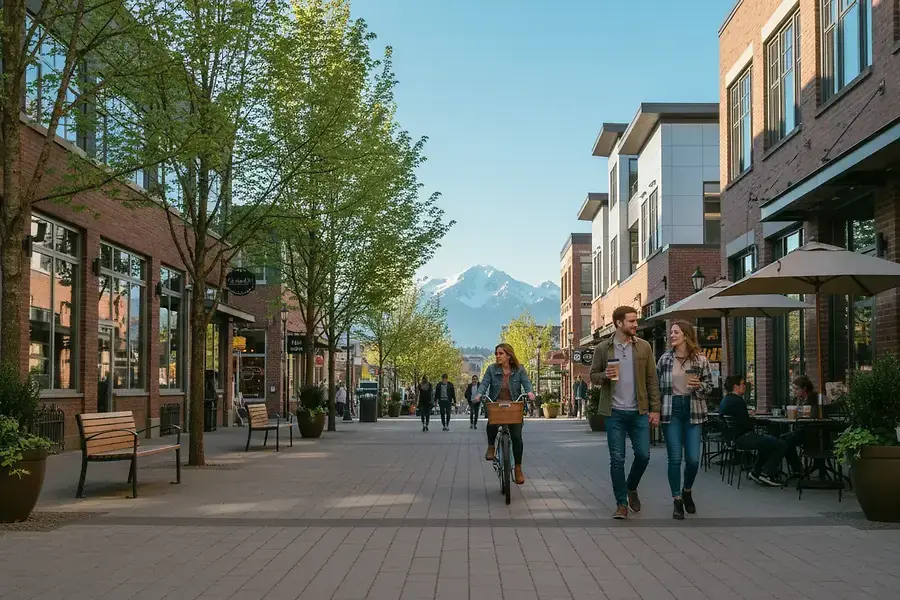
Introduction: The Rise of Walkability in King County Residential Markets
The Seattle metropolitan area is experiencing a significant shift in how residents think about urban living. More people are prioritizing walkability and reducing their dependence on cars, seeking neighborhoods where daily errands, entertainment, and dining are within a short stroll. This trend reflects broader changes in lifestyle preferences, with younger professionals and families alike recognizing the benefits of car-lite communities: lower transportation costs, improved health through increased walking, reduced environmental impact, and stronger neighborhood connections.
Greater Seattle's diverse neighborhoods offer compelling options for those ready to embrace this lifestyle change. Whether you're drawn to the urban energy of downtown areas or the quieter charm of suburban walkable communities, King County has neighborhoods designed to support car-lite living without sacrificing convenience or quality of life.
Top Walkable Communities: Bellevue, Redmond, Issaquah, Bothell, and Woodinville
Bellevue: Urban Sophistication Meets Pedestrian-Friendly Design
Bellevue has transformed into one of the Pacific Northwest's most walkable urban centers. The downtown core features an impressive network of pedestrian pathways, public plazas, and parks that encourage foot traffic. Downtown Bellevue offers world-class shopping, dining, and entertainment within walking distance, complemented by excellent public transportation connections. The neighborhood's commitment to urban design means sidewalks are well-maintained, crossings are clearly marked, and the streetscape is inviting year-round.
Beyond downtown, neighborhoods like Bellevue's Crossroads and Factoria are increasingly walkable, with growing retail and dining options that reduce the need for car trips. The Bellevue Transit Center serves as a hub for regional bus connections, making it easy to access other parts of King County without driving.
Redmond: Tech Hub with Neighborhood Character
Redmond has evolved from a suburban bedroom community into a vibrant, walkable destination. Downtown Redmond is the neighborhood's crown jewel, featuring a charming town center with local restaurants, boutique shops, and cultural venues. The Sammamish River Trail, a beloved 39-mile regional pathway, runs through Redmond and provides safe, scenic walking and biking routes to neighboring communities.
The neighborhood's commitment to mixed-use development means residential areas are increasingly integrated with commercial and recreational spaces. Parks like Marymoor Park offer green space and community gathering spots, while the growing network of protected bike lanes makes car-free commuting feasible for many residents.
Issaquah: Suburban Charm with Urban Walkability
Issaquah demonstrates that walkability isn't limited to urban centers. Downtown Issaquah has undergone a remarkable transformation, creating a pedestrian-friendly village atmosphere with local shops, restaurants, and gathering spaces. The neighborhood's historic character has been preserved while accommodating modern amenities and transit connections.
Issaquah's location near major employment centers and its excellent schools make it attractive to families seeking walkable living. The community's investment in sidewalk infrastructure and traffic-calming measures has created safe, inviting streets for pedestrians of all ages.
Bothell: Emerging Walkability in a Growing Community
Bothell is rapidly developing into a more walkable community, with significant investments in downtown revitalization. Downtown Bothell is experiencing a renaissance, with new mixed-use developments bringing residential, retail, and office space into closer proximity. The completion of light rail connections promises to further enhance the neighborhood's walkability and transit accessibility.
The McMenamins Anderson School campus and nearby parks provide cultural and recreational destinations within walking distance, while the Sammamish River Trail offers connections to surrounding communities.
Woodinville: Wine Country Meets Urban Walkability
Woodinville's downtown district has become increasingly pedestrian-friendly, blending its famous wine tasting rooms with restaurants, galleries, and shops. The neighborhood's village-like atmosphere encourages walking, while the Sammamish River Trail provides excellent connections to other parts of the region.
Woodinville's commitment to preserving its unique character while accommodating growth has resulted in a neighborhood where residents can enjoy both urban conveniences and small-town charm on foot.
How to Evaluate Walkability When Buying Your Next Home
Walk Score and Transit Score
Start your evaluation with objective metrics. Walk Score and Transit Score are online tools that rate neighborhoods on a scale of 0-100 based on proximity to amenities and public transportation. Scores above 70 indicate very walkable neighborhoods, while scores above 90 represent walker's paradises. These tools provide a quick baseline for comparing neighborhoods.
Personal Exploration
Numbers tell only part of the story. Visit neighborhoods at different times of day and week to experience the actual pedestrian environment. Walk the streets where you'd be living, noting:
- Sidewalk quality and width
- Traffic patterns and vehicle speeds
- Lighting and safety visibility
- Proximity to grocery stores, pharmacies, and restaurants
- Park and recreation access
- Public transportation frequency and reliability
Future Development Plans
Research local development plans and zoning changes. Many King County neighborhoods are investing in walkability improvements, so understanding planned infrastructure projects can help you anticipate how a neighborhood's walkability will evolve. Contact local city planning departments or review comprehensive plans to stay informed.
Community Engagement
Talk to current residents about their experiences. Online community forums, neighborhood associations, and local social media groups provide valuable insights into daily life, transportation challenges, and neighborhood strengths that statistics alone cannot capture.
Conclusion: Finding Your Perfect Car-Lite Neighborhood
Greater Seattle's walkable neighborhoods offer diverse options for residents seeking car-lite living. Whether you're attracted to Bellevue's urban sophistication, Redmond's tech-forward community, Issaquah's suburban charm, Bothell's emerging vibrancy, or Woodinville's unique character, the region provides neighborhoods where you can thrive without constant car dependence.
The key to finding your perfect car-lite neighborhood is combining objective metrics with personal exploration and community engagement. Take time to walk the streets, talk to residents, and envision your daily life in each neighborhood. The best choice is one that aligns with your lifestyle preferences, work location, and values.
As King County continues to invest in walkability, transit, and mixed-use development, car-lite living becomes increasingly accessible and appealing. Your perfect pedestrian-friendly neighborhood is waiting—it's time to explore on foot.
