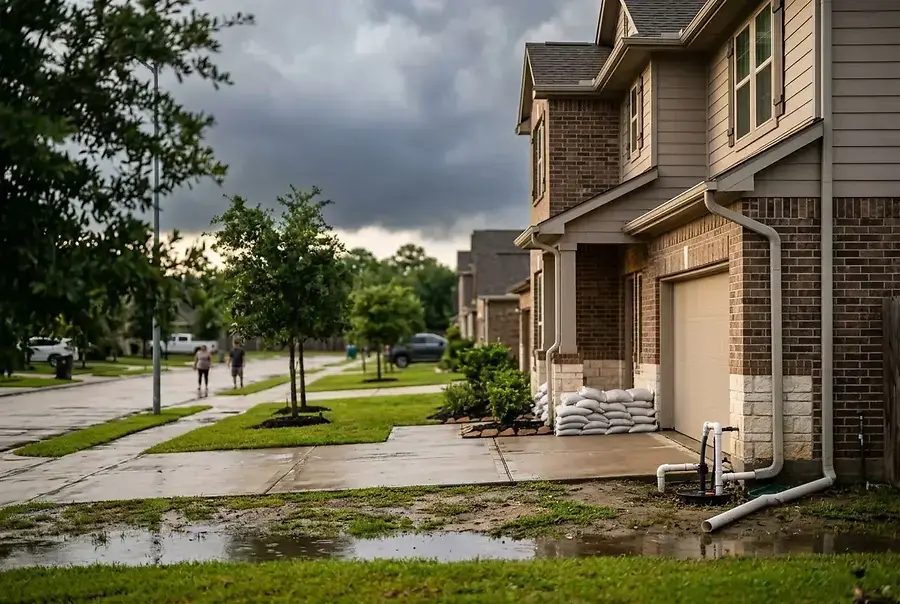
Understanding Flood Zones and Risk Levels in Greater Houston
Houston and its surrounding suburbs sit in one of the most flood-prone regions in the United States. The combination of heavy rainfall, proximity to the Gulf of Mexico, and flat terrain creates a perfect storm for water-related disasters. Before purchasing a home in areas like Memorial, Katy, Sugar Land, or other Houston suburbs, it's essential to understand how flood zones are classified and what they mean for your property.
FEMA Flood Zone Classifications
The Federal Emergency Management Agency (FEMA) divides properties into different flood zones based on historical data and statistical analysis. Zone A represents high-risk areas with a 1% annual chance of flooding, while Zone AE includes areas with base flood elevations determined by detailed studies. Zone X designates areas with lower risk, though "lower risk" doesn't mean risk-free. Understanding which zone your potential home falls into is the first step in assessing your flood vulnerability.
Local Factors Affecting Flood Risk
Beyond FEMA classifications, several local factors increase flood risk in Houston suburbs:
- Proximity to bayous and waterways: Homes near Buffalo Bayou, Brazos River, or other waterways face elevated risk during heavy rainfall events.
- Elevation and drainage patterns: Low-lying properties with poor drainage systems are particularly vulnerable to standing water and flooding.
- Aging infrastructure: Many Houston suburbs have drainage systems designed decades ago that struggle with modern rainfall intensities.
- Urban development: Increased concrete and reduced green space reduce natural water absorption, exacerbating flooding issues.
When evaluating a property, request flood maps from your real estate agent and review historical flood data for the specific neighborhood.
Flood Insurance Requirements and Coverage Options for Homeowners
When Flood Insurance Is Required
If your home is located in a high-risk flood zone and you're financing your purchase with a mortgage, flood insurance is mandatory. Lenders require this protection to safeguard their investment. Even if you're in a moderate-risk zone, flood insurance is highly recommended given Houston's weather patterns.
Understanding Your Insurance Options
The National Flood Insurance Program (NFIP) is the primary source for flood coverage in most areas. However, private flood insurance companies have emerged as alternatives, sometimes offering competitive rates and broader coverage. Key coverage types include:
- Building coverage: Protects the structure, foundation, and permanently installed systems like HVAC and electrical.
- Contents coverage: Covers personal belongings, furniture, and appliances inside the home.
- Basement coverage: Special consideration for finished basements, which are particularly vulnerable in flood-prone areas.
Review your policy carefully. Standard homeowners insurance does not cover flood damage, making separate flood insurance essential. Compare quotes from multiple providers and consider your home's specific risk level when selecting coverage limits.
Home Protection Strategies: Elevation, Drainage, and Preventative Measures
Elevation and Structural Modifications
For homes in high-risk areas, elevation is one of the most effective long-term solutions. Raising a home above the base flood elevation can significantly reduce insurance premiums and protect against water damage. While expensive, elevation provides permanent protection and often increases property value in flood-prone areas.
Improving Drainage Systems
Proper drainage is critical for flood prevention. Consider these improvements:
- Install or upgrade gutters and downspouts to direct water away from the foundation.
- Grade the landscape to slope away from the home, preventing water from pooling near the structure.
- Install a sump pump in the basement or crawl space to remove accumulated water.
- Consider a French drain system to manage groundwater around the property perimeter.
Preventative Measures and Maintenance
Regular maintenance can prevent minor water issues from becoming major problems. Key preventative steps include:
- Seal cracks in the foundation and basement walls to prevent water seepage.
- Install backflow preventers on sewer lines to stop floodwater from backing up into your home.
- Keep gutters and drainage systems clear of debris.
- Maintain proper grading around your property.
- Consider a wet floodproofing system that allows water to enter but minimizes damage to critical systems.
Investing in flood prevention measures now can save thousands in potential damage and insurance costs later.
Making an Informed Purchase Decision in High-Risk Areas
Due Diligence Before Buying
Before committing to a home purchase in Memorial, Katy, Sugar Land, or other Houston suburbs, conduct thorough research. Essential steps include:
- Obtain a professional flood risk assessment specific to the property.
- Review the property's flood history through local records and flood maps.
- Get flood insurance quotes to understand ongoing costs.
- Hire a home inspector experienced in flood-prone areas.
- Ask the seller about any previous water damage or flooding incidents.
Negotiating and Pricing Considerations
Homes in high-risk flood zones typically cost less than comparable properties in lower-risk areas. While this can be attractive, factor in the true cost of ownership: higher insurance premiums, potential repair expenses, and possible difficulty selling in the future. Calculate the total cost of ownership including flood insurance, maintenance, and potential elevation or modification expenses before making your decision.
Long-Term Planning and Community Resilience
Consider the community's broader flood mitigation efforts. Some Houston suburbs have invested in improved drainage infrastructure, bayou restoration projects, and flood-resistant building standards. Communities actively addressing flood risk may offer better long-term value and protection than those without such initiatives.
Water damage and flooding represent significant risks for Houston homebuyers, but informed decision-making can help you navigate these challenges. By understanding flood zones, securing appropriate insurance, implementing protective measures, and conducting thorough due diligence, you can make a confident purchase decision that protects your investment and your family's safety for years to come.