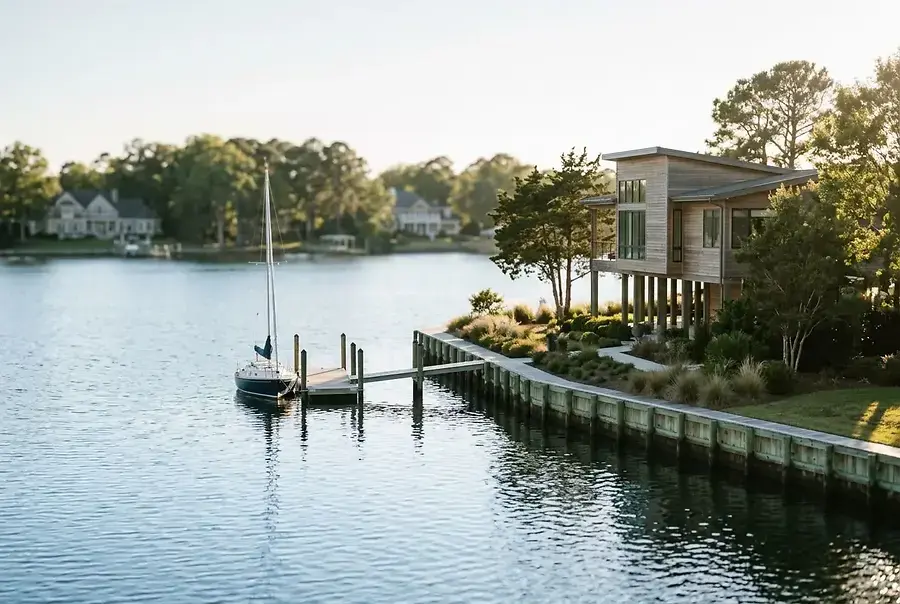
The Appeal and Reality of Waterfront Homes in Hampton Roads
Waterfront living in Hampton Roads represents a dream for many homebuyers seeking the perfect blend of natural beauty, recreational opportunities, and coastal charm. The region's picturesque waterways—including the James River, Elizabeth River, and the Atlantic Ocean—create an undeniably attractive backdrop for residential properties. However, the reality of waterfront ownership extends far beyond stunning sunrise views and direct water access.
Hampton Roads, encompassing Chesapeake, Norfolk, Suffolk, and Virginia Beach, offers diverse waterfront communities, each with unique characteristics and challenges. Before making this significant investment, prospective buyers must understand the multifaceted considerations that distinguish waterfront properties from traditional residential real estate.
Key Considerations When Buying Waterfront Properties
Environmental and Natural Hazard Factors
Waterfront properties in Hampton Roads face unique environmental challenges that directly impact property value, insurance costs, and long-term viability. Flooding and sea-level rise represent the most pressing concerns for coastal homeowners in this region. Hampton Roads experiences some of the highest rates of relative sea-level rise on the East Coast, making flood risk assessment critical.
Prospective buyers should:
- Review FEMA flood maps and understand current flood zones
- Investigate the property's elevation and flood history
- Obtain a professional flood risk assessment
- Understand flood insurance requirements and costs
- Research local resilience initiatives and infrastructure improvements
Erosion is another significant concern, particularly for properties along the ocean or bay. Shoreline erosion can threaten property boundaries and structural integrity over time. Buyers should inquire about erosion rates in the specific area and any existing erosion control measures.
Legal and Regulatory Requirements
Waterfront properties are subject to extensive regulations that don't apply to inland homes. Understanding these legal frameworks is essential before purchase.
- Wetlands Protection: Many waterfront areas contain protected wetlands. Development restrictions and environmental permits may limit future modifications.
- Riparian Rights: Virginia law grants specific water-related rights to waterfront property owners, but these rights come with corresponding responsibilities.
- Dock and Pier Regulations: Local authorities regulate dock construction, maintenance, and use. Permits and compliance inspections are mandatory.
- Setback Requirements: Building codes often impose strict setback distances from the waterline, affecting property development potential.
- Environmental Impact Assessments: Any significant modifications may require environmental reviews and approvals.
Hiring a real estate attorney familiar with waterfront properties in Hampton Roads is highly recommended to navigate these complex regulations.
Maintenance and Operational Costs
Waterfront living demands ongoing maintenance that significantly exceeds typical homeownership expenses. The marine environment accelerates wear and tear on structures and systems.
Common additional costs include:
- Dock maintenance, repair, and seasonal winterization
- Bulkhead or seawall inspection and repair
- Specialized marine-grade painting and corrosion prevention
- Elevated flood insurance premiums
- Regular property inspections for water damage and salt-air deterioration
- Dredging permits and maintenance for boat access
Buyers should budget for these expenses and factor them into their overall investment analysis. A professional home inspection by someone experienced with waterfront properties is essential.
Market Trends and Investment Potential for Coastal Residential Properties
Current Market Dynamics
The Hampton Roads waterfront real estate market reflects broader coastal trends while maintaining region-specific characteristics. Demand remains strong for quality waterfront properties, particularly those with modern amenities and lower flood risk profiles.
Several factors are shaping the current market:
- Climate Awareness: Buyers increasingly prioritize flood resilience and climate adaptation features, affecting property values and desirability.
- Remote Work Flexibility: The ability to work from home has expanded the appeal of waterfront communities beyond traditional commuter patterns.
- Infrastructure Investment: Local and state initiatives to improve resilience and flood management are positively impacting property values in certain areas.
- Selective Appreciation: Properties with lower flood risk and modern resilience features appreciate faster than those in high-risk zones.
Investment Considerations and Long-Term Value
While waterfront properties can be excellent investments, success requires careful analysis and realistic expectations.
Properties in flood-prone areas may face declining values or difficulty in resale, while well-positioned waterfront homes in resilient communities continue to appreciate.
Key investment factors include:
- Location Within the Waterfront: Not all waterfront properties are created equal. Elevation, flood zone classification, and proximity to resilience infrastructure matter significantly.
- Community Development: Areas with active resilience planning and infrastructure improvements offer better long-term investment potential.
- Property Condition: Well-maintained properties with modern flood mitigation features command premium prices and attract buyers more readily.
- Market Timing: Understanding local market cycles and seasonal variations helps optimize purchase and sale timing.
Making an Informed Waterfront Purchase Decision
Purchasing waterfront property in Hampton Roads requires more due diligence than typical real estate transactions. Success depends on thorough research, professional guidance, and realistic expectations about both costs and risks.
Essential steps for prospective buyers:
- Engage a waterfront-experienced real estate agent familiar with Hampton Roads communities
- Hire a qualified home inspector with waterfront property expertise
- Consult with a real estate attorney regarding legal and regulatory matters
- Obtain comprehensive flood insurance quotes and understand coverage limitations
- Research the property's complete history, including past flood events and insurance claims
- Evaluate long-term resilience and climate adaptation prospects
- Visit the property during different weather conditions and tidal cycles
Waterfront living in Hampton Roads offers genuine rewards—spectacular views, recreational opportunities, and a unique lifestyle. However, these benefits come with substantial responsibilities and costs. By approaching the purchase decision with thorough research, professional guidance, and realistic expectations, buyers can find waterfront properties that provide both enjoyment and sound financial investment for years to come.