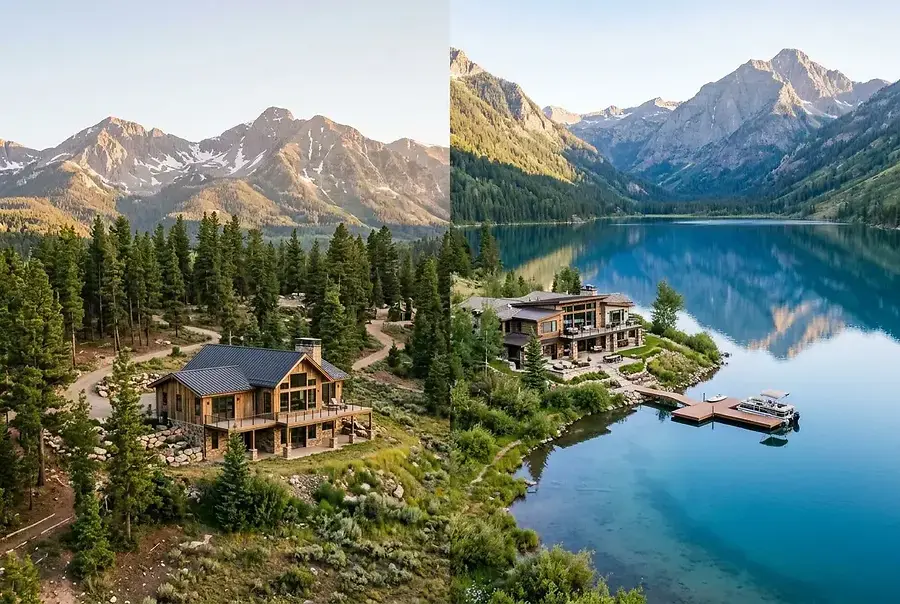
Understanding Property Type Differences
The real estate market in Montana and Arizona presents unique opportunities for investors and homebuyers seeking properties with distinctive characteristics. Waterfront and mountain properties represent two of the most sought-after categories in these regions, each offering distinct advantages and considerations. Understanding the differences between these property types is essential for making informed investment decisions that align with your financial goals and lifestyle preferences.
Waterfront properties typically command premium prices due to their scarcity and recreational appeal, while mountain properties offer a different value proposition centered on natural beauty, privacy, and long-term appreciation potential. The choice between these two property types depends on various factors including investment timeline, personal preferences, and market conditions in your target region.
Waterfront Property Investment Potential in Montana Communities
Market Demand and Pricing Trends
Montana's waterfront properties, particularly those along pristine lakes and rivers, have experienced steady appreciation over recent years. Limited availability of waterfront land creates natural scarcity, which typically supports strong property values. Communities like Flathead Lake and Missoula's river properties attract both primary residence buyers and investment-focused purchasers.
The demand for Montana waterfront properties remains robust due to:
- Recreational opportunities including boating, fishing, and water sports
- Scenic views that enhance property aesthetics and personal enjoyment
- Strong rental income potential for vacation properties
- Limited new waterfront development due to environmental regulations
Investment Returns and Rental Income
Waterfront properties in Montana often generate substantial rental income during peak seasons. Vacation rental demand remains consistently high, with properties commanding premium nightly rates. Investors can expect competitive returns, particularly in well-established communities with strong tourism infrastructure.
However, waterfront properties require careful consideration of maintenance costs, including dock repairs, erosion control, and seasonal upkeep. Insurance premiums for waterfront properties typically exceed those for standard residential properties due to increased risk exposure.
Mountain Properties: Appreciation and Lifestyle Appeal Across Montana and Arizona
Long-Term Appreciation Potential
Mountain properties in both Montana and Arizona have demonstrated impressive long-term appreciation, often outpacing broader market averages. The appeal of mountain living continues to attract relocating professionals and retirees seeking lifestyle changes. Properties in mountain communities benefit from consistent demand driven by outdoor recreation, natural beauty, and increasingly, remote work flexibility.
Key factors supporting mountain property appreciation include:
- Growing interest in outdoor recreation and wellness lifestyles
- Limited buildable land in mountain regions due to terrain constraints
- Strong community development and infrastructure improvements
- Increasing remote work opportunities enabling mountain relocation
Lifestyle Benefits and Community Appeal
Mountain properties offer distinct lifestyle advantages that extend beyond financial considerations. Privacy, natural surroundings, and outdoor access create compelling reasons for property purchases beyond pure investment returns. Mountain communities in Montana and Arizona foster tight-knit neighborhoods with shared values around outdoor recreation and environmental stewardship.
Arizona's mountain properties, particularly in regions like Flagstaff and Prescott, benefit from cooler climates and escape from desert heat. Montana's mountain communities offer unparalleled wilderness access and outdoor recreation opportunities. Both regions attract individuals prioritizing quality of life alongside financial returns.
Maintenance and Operational Considerations
Mountain properties require different maintenance considerations compared to waterfront alternatives. Winter weather, road access, and utility infrastructure present unique challenges in mountain communities. However, these properties typically involve lower ongoing maintenance costs than waterfront properties, with fewer specialized repairs required.
Seasonal considerations include:
- Snow removal and winter road maintenance
- Potential isolation during severe weather events
- Longer utility infrastructure distances
- Wildlife management and property protection measures
Choosing the Right Property Type for Your Goals
Investment Timeline Considerations
Your investment timeline significantly influences which property type offers optimal returns. Short-term investors may find waterfront properties more attractive due to immediate rental income potential and established vacation rental markets. Long-term investors often benefit more from mountain properties, which demonstrate steady appreciation with lower operational complexity.
Consider your investment horizon carefully when evaluating these options. Properties held for five years or less may perform better as waterfront vacation rentals, while ten-year-plus holdings often favor mountain properties with lower maintenance burdens and consistent appreciation.
Financial Capacity and Risk Assessment
Waterfront properties require greater initial capital investment and ongoing maintenance budgets. Higher insurance costs, specialized repairs, and seasonal upkeep demand financial reserves beyond the initial purchase price. Mountain properties offer more predictable expense structures, making them suitable for investors with moderate capital reserves.
Risk assessment should include environmental factors such as flood potential for waterfront properties and avalanche or wildfire risks for mountain properties. Both regions present distinct environmental considerations requiring thorough due diligence before purchase.
Lifestyle Alignment and Personal Preferences
Beyond financial metrics, personal preferences should guide your decision. Water enthusiasts and vacation rental operators naturally gravitate toward waterfront properties, while outdoor recreation enthusiasts and those seeking privacy often prefer mountain settings. Your intended use—primary residence, vacation home, or pure investment—significantly impacts which property type aligns with your goals.
The best property investment is one that matches your financial objectives, operational capacity, and lifestyle preferences. Neither waterfront nor mountain properties universally outperform the other; success depends on individual circumstances and market timing.
Market Timing and Regional Trends
Current market conditions in Montana and Arizona favor both property types, though regional variations exist. Montana's waterfront markets remain competitive with strong demand, while mountain properties across both states continue appreciating steadily. Consulting with local real estate professionals helps identify emerging opportunities and market trends specific to your target communities.
Both waterfront and mountain properties in Montana and Arizona represent solid investment opportunities with distinct advantages. Waterfront properties offer immediate income potential and scenic appeal, while mountain properties provide long-term appreciation with lower operational complexity. Evaluate your financial capacity, investment timeline, and lifestyle preferences to determine which property type best serves your real estate goals. Success in either category requires thorough market research, professional guidance, and alignment between your investment objectives and personal priorities.