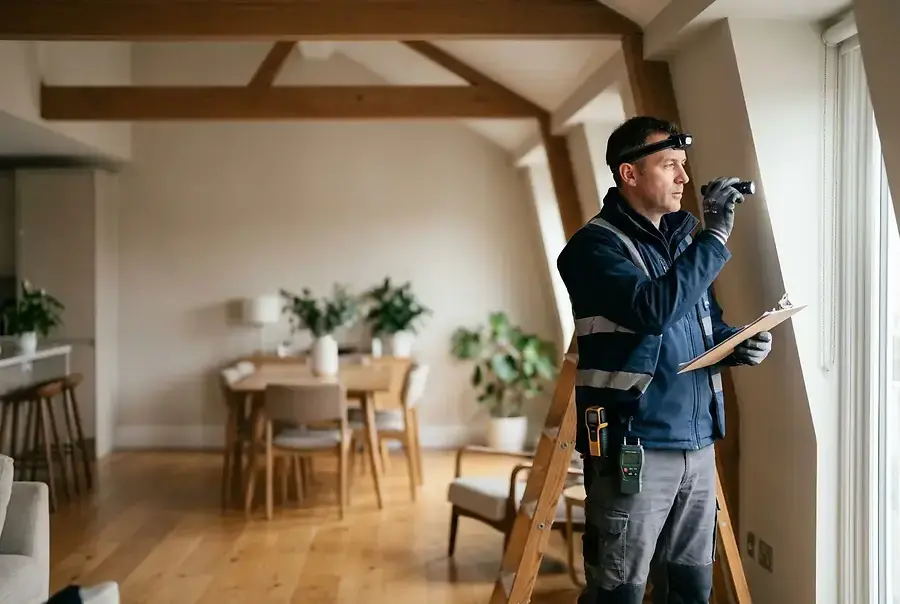
Why Home Inspections Matter in Westminster's Real Estate Market
Purchasing a home is one of the most significant financial decisions you'll make in your lifetime. In Westminster's competitive real estate market, a thorough home inspection serves as your first line of defense against costly surprises and hidden defects. A professional home inspection provides an objective assessment of a property's condition, giving you the knowledge needed to make informed decisions and negotiate effectively.
Many buyers underestimate the importance of inspections, viewing them as an optional expense. However, skipping this crucial step can lead to thousands of dollars in unexpected repairs after closing. Whether you're buying a historic Westminster property or a newer construction home, a comprehensive inspection protects your investment and provides peace of mind.
Key Areas Inspectors Evaluate in Westminster Homes
Structural Integrity and Foundation
The foundation is the backbone of any home. Inspectors examine the foundation for cracks, settling, water damage, and signs of structural movement. In Westminster, where soil conditions and weather patterns can vary, foundation issues are particularly important to assess. Look for horizontal cracks, bowing walls, or uneven floors, which may indicate serious structural problems.
Roofing and Exterior
Your roof protects everything beneath it. Inspectors evaluate:
- Roof age and condition – Most roofs last 15-25 years depending on materials
- Shingles and flashing – Missing, damaged, or curling shingles indicate wear
- Gutters and downspouts – Proper drainage prevents water damage
- Exterior walls – Siding, brick, or stucco condition affects weatherproofing
Plumbing Systems
Water-related issues can be expensive and destructive. Inspectors check for:
- Water pressure and flow rates
- Leaks under sinks and around toilets
- Water heater condition and age
- Pipe materials and corrosion signs
- Septic or sewer system functionality
Electrical Systems
Faulty electrical systems pose safety hazards and fire risks. Professional inspectors examine the main panel, wiring, outlets, and grounding. They verify that the electrical system meets current safety codes and can handle the home's power demands. Outdated wiring or insufficient capacity may require costly upgrades.
HVAC and Climate Control
Heating, ventilation, and air conditioning systems are essential for comfort and indoor air quality. Inspectors assess the age, condition, and efficiency of furnaces, air conditioners, and ventilation systems. They also check for proper maintenance records and identify any repairs that may be needed soon.
Interior Conditions
Inspectors evaluate interior spaces for:
- Moisture and mold – Signs of water intrusion or humidity problems
- Windows and doors – Proper sealing and operation
- Flooring – Damage, wear, or structural issues
- Walls and ceilings – Cracks, water stains, or paint issues
- Insulation – Adequate coverage for energy efficiency
Red Flags and How to Respond to Inspection Findings
Understanding Inspection Reports
Home inspection reports categorize findings by severity. Critical issues require immediate attention and may affect the property's safety or value significantly. Major concerns need repair within a reasonable timeframe, while minor issues are typically cosmetic or low-priority maintenance items.
Common Red Flags in Westminster Properties
Water Damage and Mold: Staining on ceilings, walls, or crawl spaces indicates past or present water intrusion. Mold growth poses health risks and requires professional remediation.
Outdated Electrical Systems: Knob-and-tube wiring or aluminum wiring in older Westminster homes may need replacement for safety and insurance purposes.
Roof Issues: Multiple layers of shingles, significant wear, or missing sections suggest the roof may need replacement soon, a costly undertaking.
Foundation Cracks: While minor hairline cracks are common, larger cracks or those showing signs of movement warrant professional structural evaluation.
HVAC Age: Systems older than 15-20 years may fail soon, requiring expensive replacement.
Negotiation Strategies
Once you receive the inspection report, you have several options:
- Request repairs: Ask the seller to fix critical issues before closing
- Negotiate credits: Request a price reduction to cover repair costs yourself
- Request re-inspection: Have a specialist evaluate major concerns
- Walk away: If issues are too extensive, you may choose to cancel the purchase
The key is understanding which issues are deal-breakers and which are manageable. Work with your real estate agent and a trusted contractor to prioritize repairs and estimate costs accurately.
Making Informed Decisions with Inspection Reports
A comprehensive home inspection is an investment in your future. By understanding what inspectors evaluate and recognizing red flags, you empower yourself to make confident purchasing decisions. Don't view inspection findings as reasons to panic—instead, see them as opportunities to negotiate better terms or plan for necessary maintenance.
Remember that no home is perfect. Older properties will have more wear, while newer homes may have construction defects. The goal is identifying issues that affect safety, functionality, or long-term value, then deciding how to address them.
Before finalizing any Westminster property purchase, ensure you've conducted a thorough inspection, reviewed the report carefully, and consulted with professionals about significant findings. This diligence protects your investment and sets the foundation for homeownership success.
