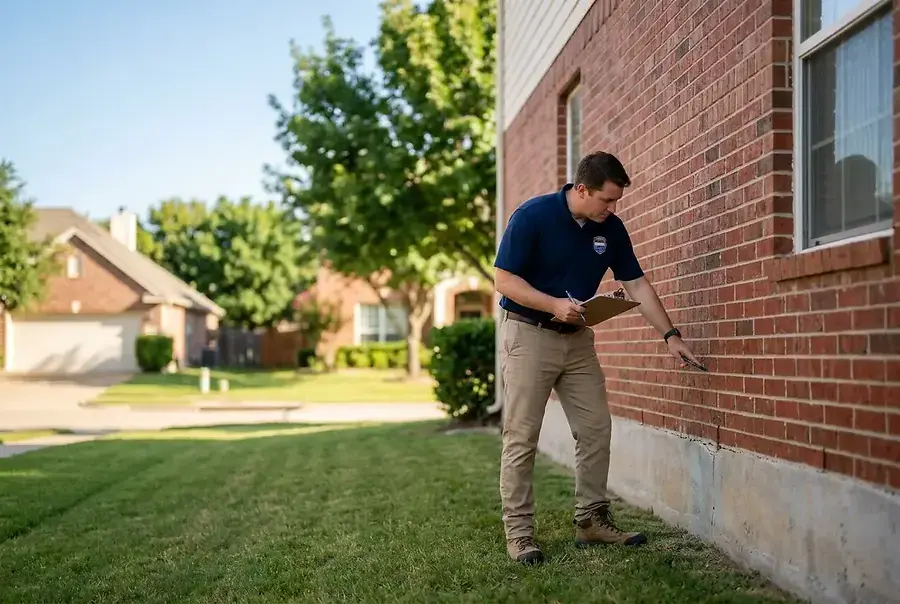
Why Home Inspections Matter in Cedar Hill's Competitive Market
In Cedar Hill's fast-paced real estate market, home inspections are more than just a formality—they're your financial safeguard. With properties moving quickly and competition among buyers intensifying, many homebuyers feel pressured to skip inspections or conduct cursory reviews. This is a critical mistake.
A comprehensive home inspection can reveal hidden defects that could cost thousands of dollars to repair after closing. In Cedar Hill's diverse housing stock, ranging from established neighborhoods to newer developments, each property presents unique inspection considerations. Whether you're buying a charming older home or a modern construction property, understanding what inspectors look for protects your investment and gives you negotiating power.
The inspection period is your opportunity to make an informed decision before committing to one of the largest purchases of your life.
Key Areas Every Cedar Hill Home Inspector Should Evaluate
Structural Integrity and Foundation
The foundation is the backbone of any home. Inspectors should thoroughly examine the foundation for cracks, settling, or water damage. In Cedar Hill, where soil composition varies across neighborhoods, foundation issues can develop differently depending on location. Look for:
- Horizontal or vertical cracks in the foundation
- Signs of water intrusion or moisture damage
- Uneven floors or doors that don't close properly
- Bowing or leaning walls
Roof and Exterior Systems
Your roof protects everything beneath it. A professional inspector should evaluate the roof's age, condition, and remaining lifespan. Cedar Hill's weather patterns demand careful attention to:
- Shingle condition and signs of wear or damage
- Proper drainage and gutter functionality
- Flashing around chimneys and vents
- Siding condition and potential water infiltration points
Plumbing and Water Systems
Water-related issues are among the most expensive to repair. Inspectors should test water pressure, check for leaks, and evaluate the age and condition of pipes. Pay special attention to:
- Water heater age and functionality
- Presence of outdated galvanized pipes
- Signs of water damage or mold
- Proper grading to prevent water pooling near the foundation
Electrical Systems
Electrical safety is non-negotiable. Inspectors should verify that the electrical panel is properly sized, check for outdated wiring, and ensure all outlets and switches function correctly. Cedar Hill homes built in different eras may have varying electrical standards, making this evaluation crucial.
HVAC Systems
Heating and cooling systems are essential for Cedar Hill comfort. Inspectors should evaluate the age, condition, and efficiency of your air conditioning and heating units. Ask about maintenance records and expected replacement timelines.
Interior Conditions
Don't overlook the details. Inspectors should check:
- Insulation levels in attic and walls
- Ventilation and moisture control
- Windows and doors for proper operation
- Interior walls for cracks or water stains
- Appliance functionality (if included in the sale)
Red Flags and Warning Signs Specific to Cedar Hill Properties
Water Damage and Moisture Issues
Cedar Hill's climate can create moisture challenges. Watch for:
- Staining on ceilings or walls indicating roof leaks
- Musty odors suggesting mold or mildew
- Peeling paint or warped wood
- Basement or crawlspace dampness
Water damage is often the most expensive problem to address, so any signs of moisture should be taken seriously.
Age-Related Concerns
Older Cedar Hill homes may contain outdated systems requiring replacement. Be cautious of:
- Knob-and-tube wiring (fire hazard)
- Asbestos in insulation or floor tiles
- Lead paint (common in homes built before 1978)
- Outdated plumbing materials prone to failure
Poor Maintenance Indicators
A home's maintenance history tells you a lot about its condition. Red flags include:
- Deferred maintenance throughout the property
- Multiple temporary repairs instead of permanent solutions
- Lack of maintenance records
- Visible neglect in landscaping or exterior areas
Structural Movement
Cracks in walls, uneven floors, or doors that don't close properly may indicate foundation movement or structural issues. These warrant further investigation by a structural engineer.
Using Inspection Results to Negotiate Better Terms
Once you receive the inspection report, you have several options:
Request Repairs
Ask the seller to repair significant issues before closing. This is most effective for major problems like roof replacement or foundation repair.
Request Credits
If repairs are minor or the seller won't make them, negotiate a credit toward closing costs to handle repairs yourself after purchase.
Renegotiate Price
Use inspection findings to justify a lower offer price. Significant defects directly impact the home's value and should be reflected in your purchase price.
Walk Away
If inspection reveals major, expensive problems and the seller won't negotiate, you may have grounds to terminate the contract. This is why inspection contingencies are crucial.
In Cedar Hill's competitive market, don't let urgency override caution. A thorough inspection protects your interests and ensures you're making a sound investment. Work with a qualified, local inspector who understands Cedar Hill's specific housing characteristics and potential issues. Your future self will thank you for the diligence.