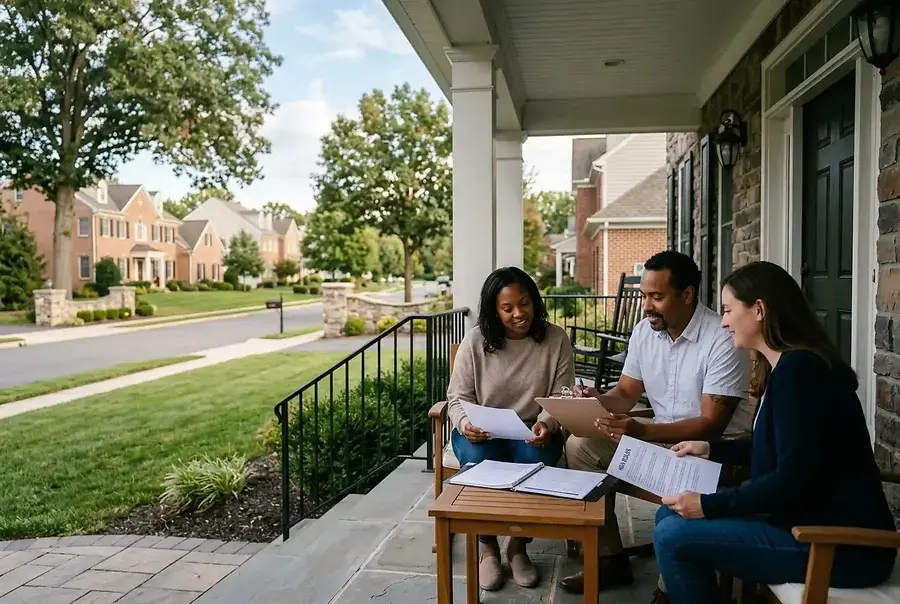
Understanding HOA Structure and Governance
When purchasing a home in Delaware County, particularly in Media, PA and surrounding communities, understanding the homeowners association (HOA) structure is crucial. An HOA is a legal entity established to manage common areas and enforce community standards within a residential development. Before signing on the dotted line, every homebuyer should understand how their potential HOA operates.
What is an HOA and How Does It Work?
A homeowners association is typically governed by a board of directors elected by homeowners. This board makes decisions about community maintenance, enforces rules, and manages finances. The HOA's primary responsibility is to maintain property values and ensure the community remains attractive and well-maintained.
In Delaware County, HOAs vary significantly in size and complexity. Some manage small neighborhoods with just a few dozen homes, while others oversee large developments with hundreds of properties. Understanding your specific HOA's structure will help you anticipate how decisions are made and how your voice can be heard.
Board Composition and Voting Rights
Most HOAs operate with a board consisting of five to seven members, though this can vary. As a homeowner, you typically have voting rights in annual meetings where you can influence board decisions and elect new directors. It's important to understand:
- How many board members serve and their terms
- Whether you can attend board meetings and review meeting minutes
- What voting power you have on major decisions
- How amendments to HOA rules are proposed and approved
Common HOA Fees, Restrictions, and Enforcement
Understanding HOA Fees
HOA fees are monthly or annual payments that fund community maintenance and operations. In Delaware County, these fees can range significantly depending on the amenities and services provided. Before purchasing, request a detailed breakdown of what your fees cover.
Common expenses include:
- Maintenance of common areas (landscaping, roads, sidewalks)
- Utilities for shared spaces
- Insurance for common property
- Management company fees
- Reserve funds for major repairs and replacements
- Amenities such as pools, fitness centers, or community centers
Pro Tip: Ask about the HOA's reserve fund. A well-funded reserve indicates the community is prepared for major expenses and less likely to impose special assessments on homeowners.
Common Restrictions and Rules
HOAs enforce rules designed to maintain community standards. In Media, PA and surrounding Delaware County areas, typical restrictions may include:
- Exterior appearance standards (paint colors, landscaping requirements)
- Parking regulations and vehicle restrictions
- Pet policies and breed restrictions
- Rental restrictions or lease requirements
- Architectural guidelines for renovations or additions
- Noise and nuisance ordinances
These rules can significantly impact your lifestyle and property use. If you plan to rent your home, have a home-based business, or make exterior modifications, ensure the HOA rules align with your intentions.
Enforcement and Penalties
HOAs enforce their rules through various mechanisms. Understanding enforcement procedures is essential before purchase. Violations can result in fines, liens on your property, or legal action. Ask your HOA:
- What is the process for reporting violations?
- How much notice do homeowners receive before penalties are imposed?
- What are typical fine amounts?
- Can fines accumulate and lead to liens?
- Is there an appeal process for disputed violations?
How to Review HOA Documents Before Purchase
Essential Documents to Request
Your real estate agent or attorney should request the following documents from the seller or HOA:
- CC&Rs (Covenants, Conditions, and Restrictions): The legal document outlining all rules and restrictions
- Bylaws: Rules governing how the HOA operates
- Financial Statements: The last three years of budgets and actual expenses
- Meeting Minutes: Recent board meeting records showing decisions and discussions
- Reserve Study: Professional assessment of future maintenance needs and funding
- Insurance Information: Details about HOA liability and property insurance
What to Look For in HOA Documents
When reviewing these documents, pay special attention to:
- Financial health: Is the HOA operating at a surplus or deficit? Are there pending special assessments?
- Reserve funding: Is the reserve fund adequately funded for future needs?
- Litigation: Are there any pending lawsuits involving the HOA?
- Rule changes: Have rules been modified recently? Are there proposed changes?
- Delinquencies: How many homeowners are behind on HOA payments?
Red Flags to Watch For
Certain warning signs should prompt further investigation:
- Consistently increasing fees without corresponding improvements
- Underfunded reserves or recent special assessments
- High turnover on the board or management company
- Numerous violations and enforcement actions
- Pending litigation or disputes
- Restrictive rules that conflict with your lifestyle or plans
Conclusion: Making an Informed HOA Decision
Purchasing a home in an HOA community in Delaware County requires careful consideration beyond the property itself. The HOA rules, fees, and governance structure will directly impact your homeownership experience and financial investment.
Take time to thoroughly review all HOA documents, ask detailed questions, and consult with your real estate attorney. Attend a board meeting if possible to observe how decisions are made and get a feel for the community's culture. Remember, you're not just buying a house—you're joining a community with established rules and expectations.
By understanding HOA structures, fees, restrictions, and reviewing documents carefully, you'll make an informed decision that aligns with your goals and lifestyle. This diligence upfront can save you from costly surprises and ensure your home purchase in Media, PA or surrounding Delaware County areas is a positive investment for years to come.