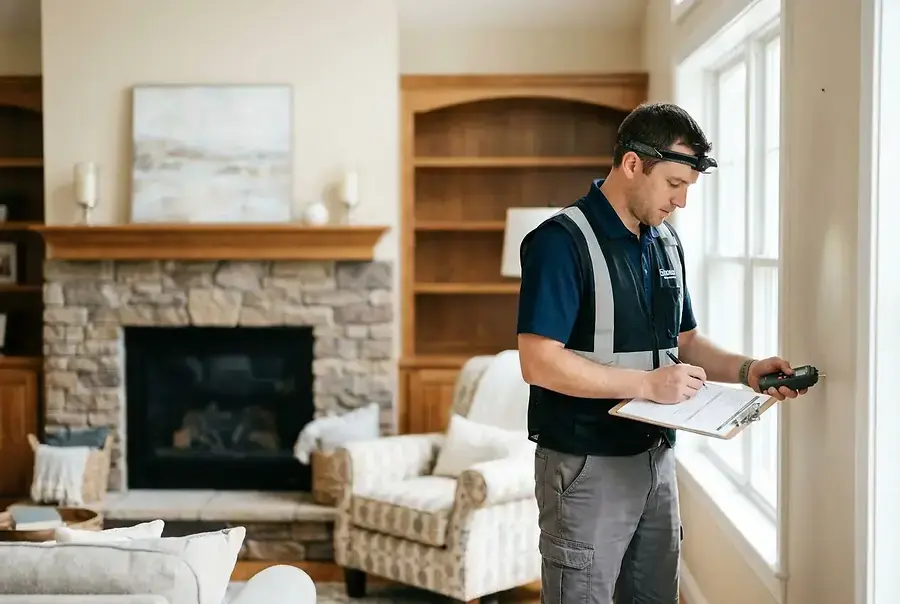
What Home Inspectors Examine During a Professional Inspection
A professional home inspection is one of the most critical steps in the home buying process. During a comprehensive inspection, certified inspectors evaluate the structural integrity and systems of a property to identify any potential issues before you commit to the purchase.
Structural Components
Inspectors begin by examining the foundation, walls, and roof structure. They look for signs of settling, cracks, water damage, and deterioration that could indicate serious structural problems. The roof is inspected for missing shingles, improper installation, and signs of leaks or wear that might require replacement soon.
Electrical and Plumbing Systems
The electrical panel is checked for proper grounding, outdated wiring, and safety concerns. Inspectors test outlets and switches throughout the home. For plumbing, they examine water pressure, drainage, and check for leaks under sinks and around fixtures. They also assess the water heater's condition and age.
HVAC and Climate Control
Heating and cooling systems are tested to ensure they operate efficiently. Inspectors check furnaces, air conditioners, and ductwork for proper function and maintenance needs. They also evaluate insulation levels in attics and walls to determine energy efficiency.
Interior and Exterior Elements
Windows, doors, flooring, and walls are inspected for damage and functionality. Exterior elements like siding, gutters, and drainage systems are evaluated. Inspectors also check for pest damage, mold, and moisture intrusion that could affect the home's livability.
Common Issues Found in Manchester Homes and How to Address Them
Manchester's climate and older housing stock mean certain issues appear more frequently than in other regions. Understanding these common problems helps you prepare for potential repairs.
Water Damage and Moisture Issues
New England's humid climate and freeze-thaw cycles create ideal conditions for water infiltration. Basements and crawl spaces often show signs of moisture, efflorescence, or minor flooding. Address these issues by improving drainage around the foundation, sealing cracks, and installing or upgrading sump pumps.
Aging Roofs and Gutters
Many Manchester homes have roofs that are approaching or past their expected lifespan. Gutters may be clogged or improperly pitched, leading to water damage. Budget for roof replacement or repairs, and ensure gutters are cleaned and maintained regularly.
Outdated Electrical Systems
Older homes may have aluminum wiring or insufficient electrical capacity for modern appliances. This poses safety risks and limits functionality. Consider upgrading to copper wiring and expanding electrical capacity if the inspection reveals these issues.
HVAC System Age
Furnaces and air conditioning units in older homes may be nearing the end of their useful life. Replacement costs can be substantial, so factor this into your offer negotiations. Ask the inspector for the age and condition assessment of these systems.
Using Inspection Reports to Negotiate Better Deals and Avoid Costly Surprises
A detailed inspection report is your most powerful negotiating tool. Understanding how to interpret and use this document can save you thousands of dollars.
Prioritizing Findings
Inspection reports categorize issues by severity. Focus on major structural problems, safety hazards, and systems that need immediate replacement. Minor cosmetic issues are typically not worth negotiating over, but significant repairs should definitely be addressed.
Getting Repair Estimates
Don't rely solely on the inspector's assessment. Obtain written estimates from licensed contractors for major repairs. This gives you concrete numbers to present during negotiations. You can then request the seller either make repairs or provide credits toward closing costs.
Negotiation Strategies
- Request the seller address all major safety issues before closing
- Ask for repair credits if the seller won't make improvements
- Use inspection findings to justify a lower offer price
- Require follow-up inspections for completed repairs
- Document all agreements in writing through your real estate agent
Protecting Your Investment
A thorough inspection protects you from inheriting someone else's problems. Never waive the inspection contingency in your purchase agreement. This contingency allows you to renegotiate or walk away if significant issues are discovered. It's your safety net in the home buying process.
Consider hiring a specialized inspector for specific concerns. If the general inspection reveals potential mold, asbestos, or radon issues, bring in an expert to conduct targeted testing. These additional inspections cost money upfront but prevent far more expensive problems later.
Conclusion: Making Informed Decisions with Professional Inspection Insights
Purchasing a home is likely the largest investment you'll make. A professional home inspection provides the detailed information needed to make an informed decision. In Manchester, where older homes and climate-related issues are common, inspections are especially valuable.
Don't view the inspection as a hurdle to clear—see it as an opportunity to understand your potential investment fully. Use the inspection report to negotiate fairly, plan for necessary repairs, and avoid costly surprises after closing. By taking inspections seriously and acting on the findings, you protect your financial investment and ensure you're buying a home that will serve your family well for years to come.