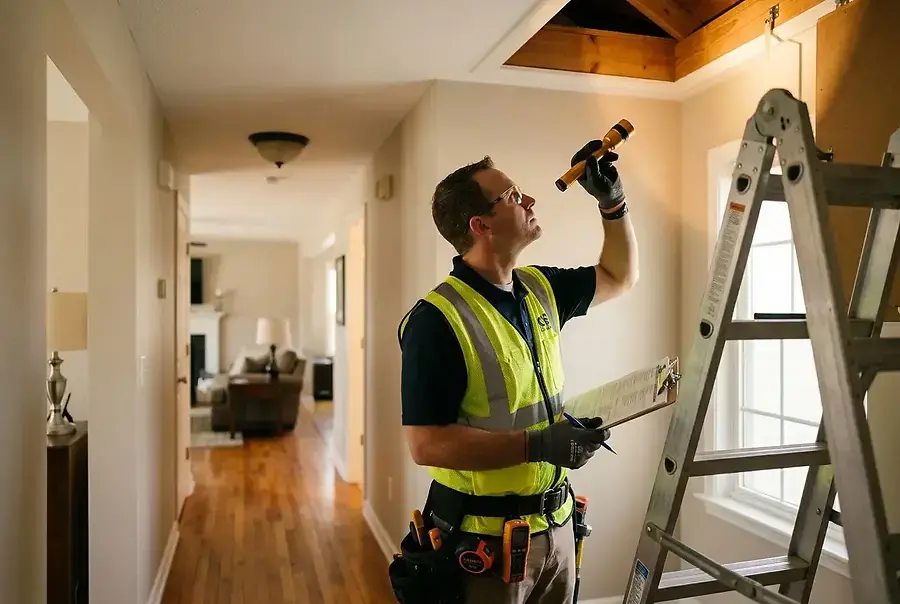
Understanding the Home Inspection Process
Purchasing a home is one of the most significant financial decisions you'll make. In Marion, Illinois, a professional home inspection is a critical step that can save you thousands of dollars in unexpected repairs and renovations. A home inspection is a thorough examination of a property's physical structure and systems, conducted by a licensed inspector who provides you with a detailed report of the home's condition.
The inspection typically takes two to three hours, depending on the home's size and age. During this time, the inspector will examine everything from the foundation to the roof, checking electrical systems, plumbing, HVAC units, and more. As a buyer, you have the right to be present during the inspection, and it's highly recommended that you attend. This gives you the opportunity to ask questions and understand potential issues firsthand.
What to Expect During Your Inspection
Your inspector will walk through the entire property, documenting findings in a comprehensive report. This report will categorize issues by severity and provide recommendations for repairs or further evaluation. Understanding this process helps you prepare mentally and financially for what comes next in your home purchase journey.
Critical Areas Inspectors Evaluate
Professional home inspectors focus on several key areas that directly impact your home's safety, functionality, and value. Knowing what they're looking for helps you ask informed questions and understand the inspection report.
Foundation and Structural Integrity
The foundation is the backbone of any home. Inspectors look for cracks, settling, water damage, and signs of structural movement. In Marion's climate, foundation issues can develop over time, making this evaluation crucial for long-term homeownership.
Roofing and Exterior
Your roof protects everything beneath it. Inspectors examine shingles, flashing, gutters, and downspouts for damage, wear, and proper drainage. They also assess siding, windows, doors, and the overall exterior condition to identify potential water intrusion points.
Electrical Systems
A safe electrical system is non-negotiable. Inspectors check the panel, wiring, outlets, and switches for code compliance and safety hazards. Outdated or faulty electrical systems can pose fire risks and may require upgrades.
Plumbing and Water Systems
Inspectors test water pressure, check for leaks, examine pipes for corrosion, and evaluate the water heater's condition. They also assess the septic system or sewer connection, depending on your property type.
HVAC Systems
Heating, ventilation, and air conditioning systems are essential for comfort and indoor air quality. Inspectors evaluate the furnace, air conditioner, ductwork, and thermostat to ensure they're functioning properly and efficiently.
Insulation and Ventilation
Proper insulation and ventilation affect energy efficiency and prevent moisture problems. Inspectors check attic insulation levels, ventilation adequacy, and signs of moisture or mold growth.
Red Flags and How to Respond
While not every issue discovered during an inspection is a deal-breaker, certain red flags warrant serious attention and action.
Major Structural Problems
Significant foundation cracks, bowing walls, or evidence of settling are serious concerns. These issues can be expensive to repair and may affect the home's safety and resale value. If discovered, request a structural engineer's evaluation before proceeding.
Water Damage and Mold
Signs of water intrusion, active leaks, or mold growth indicate potential health hazards and costly repairs. These issues often suggest underlying problems with the roof, plumbing, or drainage systems. Don't ignore these warnings.
Outdated or Unsafe Electrical Systems
Knob-and-tube wiring, aluminum wiring, or an overloaded panel are safety concerns that require professional remediation. Many insurance companies won't cover homes with these hazards, making them critical issues to address.
HVAC System Failures
If the heating or cooling system is nearing the end of its lifespan or not functioning properly, budget for replacement costs. A new HVAC system can cost several thousand dollars, so factor this into your decision.
Plumbing Issues
Corroded pipes, active leaks, or inadequate water pressure can lead to expensive repairs. Galvanized pipes common in older Marion homes may need replacement, which is a significant undertaking.
How to Respond
When red flags appear, you have several options:
- Request repairs: Ask the seller to fix critical issues before closing.
- Negotiate credits: Request a credit toward closing costs to handle repairs yourself.
- Renegotiate the price: Adjust the purchase price to reflect necessary repairs.
- Walk away: If issues are too extensive or costly, you may choose to terminate the purchase.
Using Inspection Results in Your Purchase Decision
The inspection report is a powerful negotiating tool and a roadmap for your future homeownership. Don't view it as just a list of problems—use it strategically to protect your investment.
Prioritize Issues by Severity
Not all inspection findings are equal. Focus on critical safety and structural issues first, then address systems that affect comfort and functionality. Minor cosmetic issues can often be handled after purchase.
Get Professional Estimates
For significant issues, obtain repair estimates from licensed contractors. This gives you concrete numbers to use in negotiations with the seller. Don't rely solely on the inspector's cost estimates.
Consider Long-Term Costs
Think beyond immediate repairs. An aging roof or HVAC system will need replacement within a few years. Factor these predictable expenses into your decision and budget accordingly.
Review Your Contingencies
Most purchase agreements include an inspection contingency allowing you to renegotiate or withdraw if significant issues are found. Understand your contract terms and deadlines for responding to inspection results.
Make an Informed Decision
Armed with inspection information, you can make a confident decision about whether this home is the right investment for you. Remember, no home is perfect, but you should feel comfortable with the property's condition and the costs associated with any necessary repairs.
A thorough home inspection is your best defense against costly surprises and helps ensure you're making a sound investment in your Marion, Illinois home.