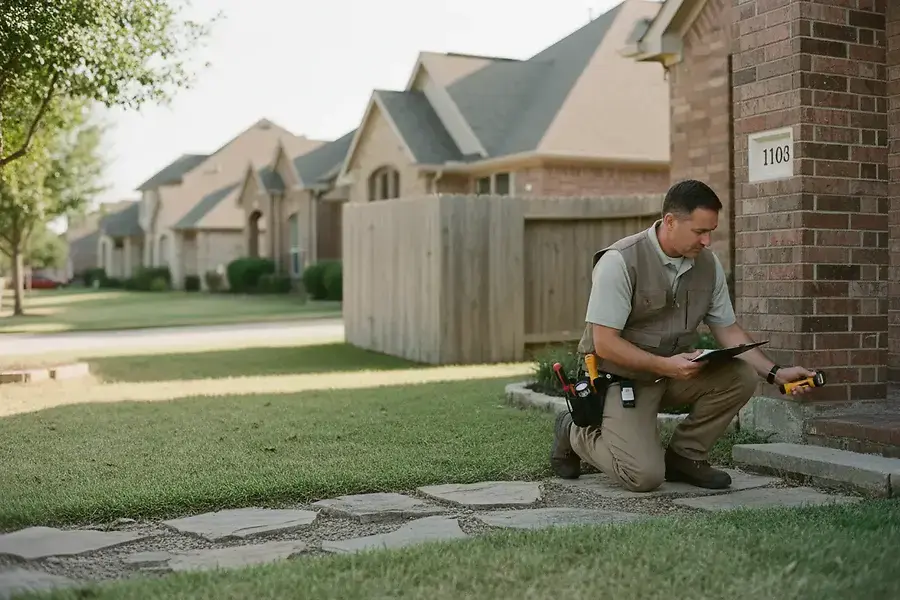
Why Home Inspections Matter in North Texas
Purchasing a home is one of the most significant investments you'll make in your lifetime. In North Texas—spanning from Keller and Arlington to Lewisville and beyond—the real estate market moves quickly, and buyers often feel pressured to make fast decisions. However, skipping or rushing through a home inspection is a mistake that could cost you thousands of dollars in unexpected repairs.
A professional home inspection provides an objective assessment of a property's condition, identifying potential issues before you sign the final papers. This critical step protects your investment and gives you the information needed to negotiate repairs, request credits, or walk away from a problematic property altogether.
Common Issues Found in North Texas Homes: Age, Climate, and Foundation Concerns
Foundation Problems
North Texas sits on expansive clay soil that shifts with moisture changes, making foundation issues one of the most common concerns in the region. Inspectors carefully examine foundations for cracks, settling, and signs of movement. Even minor cracks can indicate larger structural problems that require professional evaluation and potentially expensive repairs.
Roof and Weather Damage
The North Texas climate brings intense summer heat, occasional hail storms, and severe weather that can damage roofing materials. Inspectors look for:
- Missing or damaged shingles
- Signs of water damage or leaks
- Deteriorated flashing around chimneys and vents
- Sagging or uneven roof lines
HVAC System Efficiency
With scorching summers and occasional cold winters, your heating and cooling system works hard year-round. Inspectors test HVAC systems to ensure they operate efficiently and safely. A failing air conditioning unit in a North Texas summer can be both uncomfortable and expensive to replace.
Plumbing and Water Issues
Hard water is common in North Texas, which can lead to mineral buildup in pipes and fixtures. Inspectors check for:
- Water pressure and flow issues
- Signs of leaks or water damage
- Outdated or corroded plumbing materials
- Proper drainage around the foundation
Electrical System Safety
Older homes in North Texas may have outdated electrical systems that don't meet current safety standards. Inspectors verify that the electrical panel is properly grounded, circuits aren't overloaded, and outlets function safely throughout the home.
What to Expect During Your Home Inspection and How to Prepare
The Inspection Process
A typical home inspection takes two to three hours and covers both the interior and exterior of the property. The inspector will examine every major system and component, including the roof, foundation, walls, windows, doors, plumbing, electrical, HVAC, and appliances.
As a buyer, you have the right to be present during the inspection. This is an excellent opportunity to ask questions and learn about the property's condition directly from the professional.
How to Prepare for Your Inspection
While the inspector handles the technical evaluation, you can take steps to ensure a thorough examination:
- Ensure access: Make sure the inspector can access the attic, basement, crawl spaces, and exterior areas.
- Clear pathways: Remove clutter from closets, cabinets, and storage areas so the inspector can examine everything.
- Provide documentation: Gather any available records of recent repairs, maintenance, or upgrades.
- Plan your schedule: Arrange to be present during the inspection to observe and ask questions.
- Prepare a list: Note any concerns or issues you've noticed so you can discuss them with the inspector.
Understanding the Inspection Report
After the inspection, you'll receive a detailed report categorizing findings by severity. Issues are typically classified as:
- Safety concerns that require immediate attention
- Major repairs that affect the home's functionality or value
- Minor issues that are cosmetic or low-priority
- Maintenance recommendations for ongoing care
Review this report carefully and discuss findings with your real estate agent before deciding on your next steps.
Using Inspection Results to Make Confident Buying Decisions
Once you have the inspection report, you have several options:
Negotiate repairs: Request that the seller fix critical issues before closing. This is especially common for foundation problems, roof damage, or major system failures in North Texas homes.
Request credits: Ask the seller to provide a credit toward closing costs so you can handle repairs yourself after purchase.
Renegotiate the price: Use inspection findings to justify a lower offer price that accounts for necessary repairs.
Walk away: If inspection results reveal extensive damage or costly repairs that make the property a poor investment, you have the right to terminate your offer during the inspection period.
The key is using inspection information strategically. Don't let emotions override the facts presented in the report. A home inspection is your safeguard—it gives you the knowledge to make decisions based on the property's true condition rather than its appearance or the seller's claims.
In the competitive North Texas real estate market, a thorough home inspection separates informed buyers from those who face costly surprises after closing. By understanding what inspectors look for, preparing properly, and using the results wisely, you can protect your investment and move forward with confidence in your home purchase.