Understanding Hawaii's Unique Climate Impact on Home Inspections
Purchasing a home in Waimea is an exciting investment, but it comes with unique challenges that mainland homebuyers may not encounter. Located on Hawaii's Big Island, Waimea experiences a distinctive climate characterized by high winds, significant rainfall, and salt-laden air that can accelerate wear and tear on residential properties.
The combination of these environmental factors means that standard inspection checklists simply won't suffice. Hawaii's climate demands a specialized approach to property inspections that accounts for moisture intrusion, rust formation, and wind damage. Before signing on the dotted line, every Waimea homebuyer must understand how these conditions affect their potential investment.
Salt air from the ocean can corrode metal fixtures, electrical components, and structural elements much faster than in mainland climates. Additionally, Waimea's elevation and exposure to trade winds create conditions that can compromise roofing materials and exterior siding. A thorough inspection must specifically address these climate-related vulnerabilities.
Key Areas to Evaluate: From Structural Foundation to Roof Integrity
Foundation and Structural Integrity
The foundation is the backbone of any home, and in Waimea, this requires extra scrutiny. Look for signs of settling, cracks, or water damage that could indicate foundation problems. Hawaii's volcanic soil composition and high water table can create unique challenges that affect long-term structural stability.
- Inspect for horizontal or vertical cracks in the foundation
- Check for water seepage or moisture in basements and crawl spaces
- Evaluate the grading around the property to ensure proper water drainage
- Assess any previous repairs or reinforcements made to the foundation
Roofing and Exterior Elements
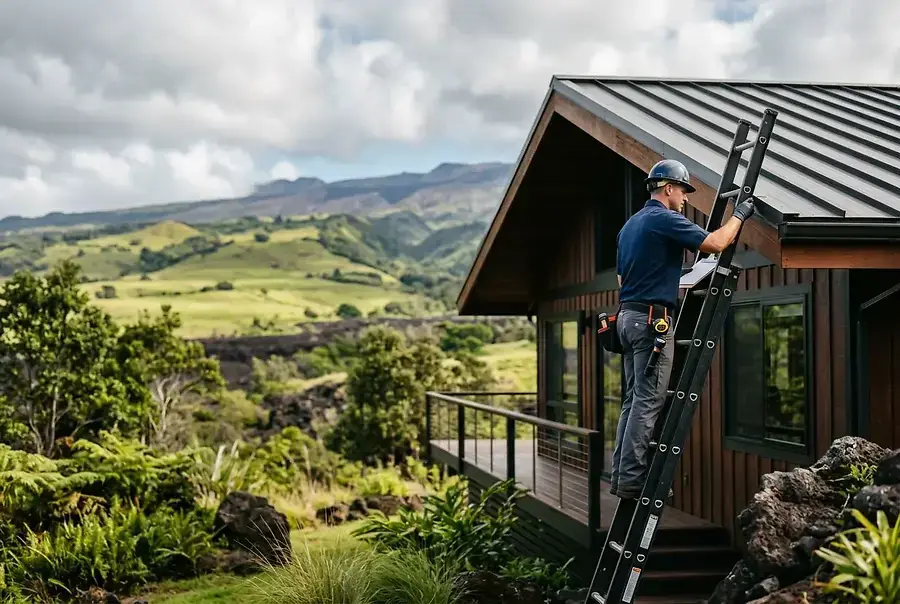
Waimea's high winds and heavy rainfall make the roof one of the most critical components to inspect. A compromised roof can lead to costly water damage and mold issues that affect the entire home's integrity.
- Examine shingles or roofing materials for wear, curling, or missing pieces
- Check flashing around chimneys, vents, and skylights for proper sealing
- Inspect gutters and downspouts for debris and proper drainage
- Look for signs of previous leaks or water stains in the attic
- Verify that the roof structure can withstand Waimea's wind conditions
Plumbing and Water Systems
Water-related issues are particularly common in Waimea due to the region's rainfall patterns. Inspect all plumbing systems thoroughly to avoid expensive repairs down the road.
- Test water pressure and check for leaks throughout the home
- Evaluate the condition of pipes, especially older copper or galvanized systems
- Inspect the water heater for age, condition, and proper functioning
- Check septic systems or municipal water connections
- Assess water quality and any treatment systems in place
Electrical Systems and Safety
Salt air and moisture can wreak havoc on electrical systems. Ensure that the home's electrical infrastructure is safe and up to code.
- Verify that the electrical panel is properly grounded and functioning
- Check for outdated wiring that may pose fire hazards
- Inspect outlets and switches for corrosion or damage
- Confirm that the home meets current electrical safety standards
Red Flags Specific to Waimea Properties and How to Address Them
Mold and Moisture Issues
Waimea's humid climate creates ideal conditions for mold growth. Any signs of mold or musty odors should be taken seriously and investigated by a professional. Look for discoloration on walls, ceilings, or in crawl spaces that could indicate moisture problems.
If mold is detected, request a professional mold inspection and remediation estimate. This could significantly impact your negotiating position and the final purchase price.
Rust and Corrosion
The salt-laden air in Waimea accelerates rust formation on metal components. Inspect metal railings, gutters, HVAC units, and any exposed metal fixtures for signs of corrosion. Extensive rust may indicate the need for replacement or costly repairs.
Wind Damage and Structural Concerns
Waimea's notorious winds can cause significant damage to homes. Look for signs of previous wind damage, including:
- Loose or damaged siding
- Bent or damaged gutters and downspouts
- Cracked or missing roof tiles
- Damaged fencing or outdoor structures
- Trees that are too close to the home or showing signs of damage
Pest and Termite Damage
Hawaii's warm climate supports various pests and termites. A professional termite inspection is essential to identify any infestations or previous damage. This is particularly important for older homes that may have existing damage.
Volcanic Rock and Lava Tube Concerns
Waimea sits on volcanic terrain, which can present unique challenges. Some properties may be built on or near lava tubes or unstable volcanic rock. Inquire about the property's geological history and any previous assessments related to volcanic activity or subsidence.
Conclusion: Making an Informed Purchase Decision
Purchasing a home in Waimea is a significant investment that requires thorough due diligence. A comprehensive property inspection tailored to Hawaii's unique climate and geological conditions is not optional—it's essential.
Work with a qualified home inspector who has experience with Big Island properties and understands the specific challenges that Waimea homebuyers face. Don't hesitate to request additional inspections for specialized concerns like mold, termites, or structural issues.
By taking the time to thoroughly evaluate your potential property and addressing any red flags before purchase, you'll protect your investment and enjoy peace of mind in your new Waimea home. Remember, the cost of a thorough inspection is minimal compared to the expense of addressing major issues after you've already purchased the property.
Pro Tip: Always hire a licensed, insured home inspector with specific experience in Hawaii properties. Ask for references and verify their credentials before making your selection.