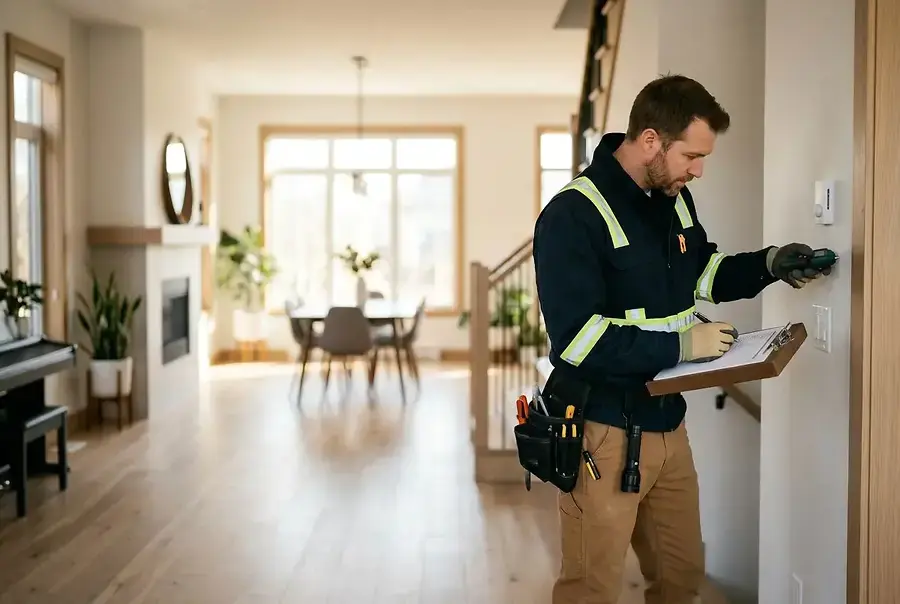
What Home Inspectors Examine During Property Walkthroughs
A professional home inspection is one of the most critical steps in the home-buying process. Inspectors conduct a thorough examination of the property to identify any structural, mechanical, or safety issues that could affect your investment. Understanding what they look for can help you prepare better questions and make more informed decisions.
Structural Components
Inspectors begin by evaluating the foundation, walls, and roof structure. They look for signs of settling, cracks, water damage, or deterioration that could indicate serious problems. The roof's age, condition, and remaining lifespan are carefully assessed, as roof replacement can be one of the most expensive repairs a homeowner faces.
Electrical and Plumbing Systems
The electrical panel is tested to ensure it meets current safety standards. Inspectors check for outdated wiring, improper grounding, and potential fire hazards. Similarly, plumbing systems are evaluated for leaks, water pressure issues, and the condition of pipes. They also assess water heater functionality and capacity.
HVAC and Climate Control
Heating, ventilation, and air conditioning systems are tested for proper operation. Inspectors note the age of equipment, efficiency ratings, and any maintenance issues. They also check ductwork for leaks or blockages that could reduce system performance.
Interior and Exterior Features
Windows, doors, insulation, and ventilation are examined. Inspectors look for water intrusion, mold, pest damage, and proper drainage around the property. They also evaluate appliances, flooring, and interior walls for any visible defects or safety concerns.
How to Read and Interpret Your Inspection Report
Once the inspection is complete, you'll receive a detailed report. Learning to read this document effectively is essential for understanding the property's true condition.
Understanding Report Organization
Most inspection reports are organized by system or area of the home. Each section typically includes:
- Observations: What the inspector found during the examination
- Condition ratings: Usually categorized as acceptable, minor issues, or major concerns
- Recommendations: Suggested repairs or further evaluation by specialists
- Photos: Visual documentation of problem areas
Distinguishing Between Major and Minor Issues
Not all inspection findings are created equal. Major issues typically involve safety hazards, structural problems, or systems that are failing or near the end of their lifespan. These might include foundation cracks, electrical hazards, or a roof nearing replacement. Minor issues are usually cosmetic or easily fixable problems like caulking gaps, loose handrails, or worn weatherstripping.
Identifying Red Flags
Pay special attention to items marked as urgent or requiring immediate attention. These could include:
- Water damage or active leaks
- Mold or moisture issues
- Electrical hazards
- Structural concerns
- Failed HVAC systems
If you're uncertain about any findings, don't hesitate to ask your inspector for clarification or request a follow-up consultation.
Using Inspection Findings to Negotiate Repairs or Price Reductions
The inspection report is a powerful negotiating tool. Armed with detailed information about the property's condition, you can make strategic decisions about your offer.
Prioritize Your Concerns
Before entering negotiations, review the report and identify which issues matter most to you. Consider the cost of repairs, the urgency of fixes, and whether you're willing to handle repairs yourself or need the seller to address them. Create a prioritized list focusing on major issues that could affect safety, value, or your enjoyment of the home.
Request Seller Repairs
For significant issues, you can request that the seller complete repairs before closing. This approach ensures professional work and protects you from unexpected costs. However, sellers may be reluctant to make extensive repairs, so be prepared for pushback.
Negotiate a Price Reduction
Alternatively, you can request a credit or price reduction to cover repair costs. This gives you flexibility to choose your own contractors and potentially save money. Get repair estimates from licensed professionals to support your negotiation requests with concrete numbers.
Strategic Negotiation Tips
- Focus on items that affect safety, structural integrity, or major systems
- Use professional repair estimates to justify your requests
- Be reasonable—sellers are more likely to negotiate if requests are fair
- Consider the local market; in buyer's markets, you have more leverage
- Know your walk-away point before negotiations begin
Remember: The goal is to reach a fair agreement that protects your investment while keeping the deal moving forward.
Next Steps: Moving Forward with Confidence
After you've reviewed the inspection report and completed negotiations, it's time to move forward with confidence in your home purchase decision.
Document Everything
Keep copies of the inspection report, all repair estimates, and any agreements made during negotiations. These documents protect you and provide a record of the property's condition at the time of purchase.
Plan for Future Maintenance
Use the inspection report to create a maintenance schedule. Note when major systems are expected to need replacement and budget accordingly. This proactive approach helps you avoid costly emergency repairs down the road.
Consider Additional Inspections
If the general inspection revealed concerns in specific areas, you might want to hire specialists. Pest inspections, radon testing, or structural engineering assessments can provide deeper insights into particular issues.
Move Forward Informed
A thorough home inspection gives you the knowledge needed to make confident decisions about your purchase. Whether you're negotiating repairs, planning renovations, or simply understanding your new home's systems, the inspection report is an invaluable resource that protects your investment and sets you up for success as a homeowner.
