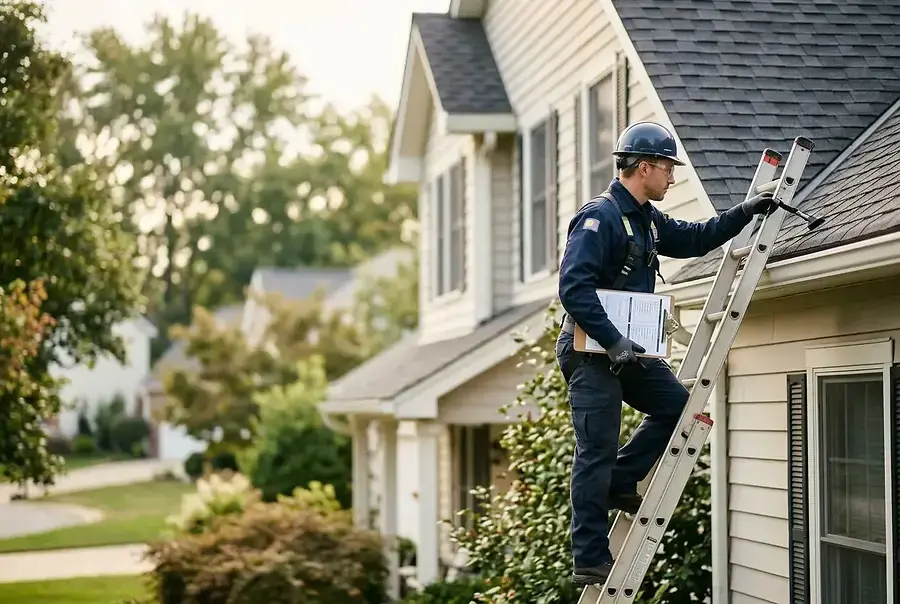
Understanding the Home Inspection Process and What It Covers
A home inspection is one of the most critical steps in the home buying process. During this comprehensive evaluation, a licensed inspector examines the property's structural integrity, systems, and components to identify any issues that could affect its value or safety. Understanding what inspectors look for can help you prepare for the inspection and interpret the results more effectively.
Home inspectors typically evaluate several key areas of a property:
- Structural Components: Foundation, walls, roof, and framing
- Roofing Systems: Condition, age, and remaining lifespan
- Plumbing: Water supply lines, drainage systems, and fixtures
- Electrical Systems: Panel, wiring, outlets, and safety features
- HVAC Systems: Heating, cooling, and ventilation equipment
- Insulation and Ventilation: Energy efficiency and moisture control
- Interior Components: Walls, ceilings, floors, doors, and windows
- Exterior Elements: Siding, gutters, drainage, and landscaping
The inspection typically takes two to four hours depending on the property's size and age. Inspectors use specialized tools and equipment to assess conditions that aren't visible to the naked eye. They document their findings in a detailed report that categorizes issues by severity and provides recommendations for repairs or further evaluation.
Common Issues Found in Inspections and Their Impact on Value
Structural and Foundation Problems
Foundation issues are among the most serious concerns inspectors discover. Cracks, settling, or water damage can indicate structural problems that require expensive repairs. Even minor foundation issues can significantly impact a property's value and your ability to secure financing.
Roofing Concerns
Roof condition directly affects a home's protection and longevity. Inspectors look for missing shingles, leaks, improper ventilation, and age-related wear. A roof nearing the end of its lifespan may require replacement within a few years, which is a substantial expense that can reduce the property's value.
Plumbing and Water Issues
Water damage, outdated plumbing, low water pressure, and drainage problems are common findings. Water-related issues can lead to mold growth and structural damage if left unaddressed. Inspectors often recommend further evaluation by specialists when significant plumbing concerns are identified.
Electrical System Deficiencies
Outdated wiring, insufficient outlets, and safety hazards like double-tapped breakers are frequently discovered in older homes. Electrical issues pose safety risks and may require upgrades to meet current building codes.
HVAC System Age and Condition
Heating and cooling systems have limited lifespans, typically 15-20 years. An aging system may still function but could fail soon after purchase, requiring costly replacement. Inspectors note the age and condition of these systems to help buyers anticipate future expenses.
Pest Damage and Moisture Issues
Termite damage, carpenter ant infestations, and moisture problems can compromise structural integrity. These issues often require specialized treatment and can be expensive to remediate.
Using Inspection Results to Negotiate Price and Repairs
Reviewing Your Inspection Report
Once you receive the inspection report, take time to understand it thoroughly. Reports typically categorize findings as safety concerns, major repairs, minor repairs, and maintenance items. Focus on issues that affect the home's safety, structural integrity, and major systems.
Prioritizing Issues for Negotiation
Not every finding requires negotiation. Prioritize items that are:
- Safety hazards that need immediate attention
- Major system failures or near-end-of-life components
- Structural or water damage issues
- Expensive repairs that significantly impact value
Minor maintenance items and cosmetic issues are typically the seller's responsibility only if they were misrepresented.
Negotiation Strategies
You have several options when addressing inspection findings:
- Request Price Reduction: Ask the seller to lower the purchase price to account for repair costs
- Demand Repairs: Require the seller to complete repairs before closing
- Request Credits: Ask for a credit at closing to cover repair expenses yourself
- Compromise: Split the cost of repairs with the seller
Obtain repair estimates from licensed contractors to support your negotiation position. Concrete numbers make your requests more credible and harder to dismiss.
Working with Your Real Estate Agent
Your real estate agent can provide valuable guidance on local market conditions and what's negotiable. They understand typical seller expectations and can help you craft reasonable requests that are likely to be accepted.
Moving Forward Confidently After Your Inspection
Making Your Final Decision
After inspection and negotiation, you'll have a clearer picture of the property's true condition. Consider whether the home still meets your needs and budget after accounting for necessary repairs. Some buyers choose to walk away if inspection findings reveal deal-breakers or excessive repair costs.
Planning for Future Maintenance
Use the inspection report as a roadmap for future maintenance. Items noted as nearing end-of-life should be budgeted for replacement within the next few years. This helps you avoid unexpected expenses and maintain your home's value.
Scheduling Follow-up Inspections
For issues requiring specialist evaluation—such as mold, asbestos, or structural concerns—consider hiring specialized inspectors. These additional inspections provide detailed information and professional recommendations.
Remember: A thorough home inspection protects your investment and provides peace of mind. The small cost of an inspection can save you thousands in unexpected repairs and help you make a confident, informed decision about one of life's biggest purchases.
By understanding what home inspectors look for and how to use their findings effectively, you're empowered to negotiate better terms, avoid costly surprises, and move forward with confidence in your home purchase.