Understanding the Home Inspection Process and Timeline
A home inspection is one of the most important steps in the home buying process, especially in Tennessee's diverse real estate market. When you're purchasing property in Memphis, Collierville, Franklin, or Rossville, a professional inspector will conduct a thorough examination of the property's physical structure and systems.
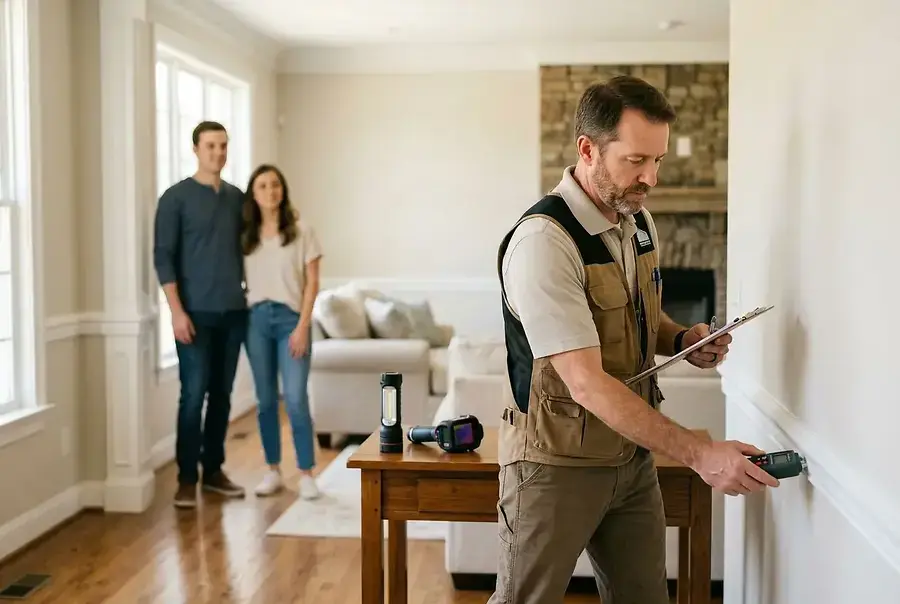
The typical home inspection takes 2-4 hours depending on the home's size and age. During this time, inspectors evaluate everything from the foundation to the roof, checking for safety hazards, structural issues, and maintenance concerns. As a buyer, you have the right to be present during the inspection, which gives you an opportunity to ask questions and learn about your potential investment.
After the inspection is complete, you'll receive a detailed report within 24-48 hours. This report becomes your roadmap for understanding the property's condition and identifying areas that may need attention or negotiation.
Key Areas Inspectors Examine in Tennessee Residential Homes
Foundation and Structural Integrity
Tennessee's climate and soil conditions can impact a home's foundation over time. Inspectors look for cracks, settling, water damage, and signs of foundation movement. They examine crawl spaces and basements carefully, as these areas are particularly vulnerable to moisture issues in the humid Tennessee climate.
Roofing and Exterior
The roof is your home's first line of defense against Tennessee's weather patterns, including heavy rains and occasional severe storms. Inspectors assess:
- Shingle condition and age
- Flashing around chimneys and vents
- Gutters and downspouts
- Siding and exterior walls for damage or deterioration
- Windows and doors for proper sealing
Plumbing Systems
Water-related issues are common concerns in Tennessee homes. Inspectors check water pressure, drainage, pipe materials, and signs of leaks. They examine both visible pipes and look for evidence of past water damage. The age and condition of the water heater are also documented, as replacement can be a significant expense.
Electrical Systems
Safety is paramount when evaluating electrical systems. Inspectors verify that the electrical panel is properly grounded, check for outdated wiring, and ensure outlets are functioning correctly. Older homes in Tennessee may have aluminum wiring or outdated panels, which could require upgrades for safety and insurance purposes.
HVAC and Climate Control
Tennessee's hot, humid summers and mild winters mean your heating and cooling systems are essential. Inspectors test both air conditioning and heating units, check ductwork for leaks, and assess the overall efficiency of the system. They also verify that the system is properly maintained and note its age.
Insulation and Ventilation
Proper insulation and ventilation affect energy efficiency and prevent moisture problems. Inspectors check attic insulation levels, verify proper ventilation in bathrooms and kitchens, and look for signs of inadequate airflow that could lead to mold growth.
Interior Components
Inspectors examine interior elements including:
- Walls and ceilings for water stains or cracks
- Flooring condition and stability
- Doors and windows operation
- Appliances (if included in the sale)
- Fireplaces and chimneys
How to Use Inspection Reports to Negotiate Better Deals
Understanding Your Report
Home inspection reports categorize findings by severity. Major issues require immediate attention and can significantly impact the property's value. Minor issues are typically maintenance items that don't pose safety risks. Understanding this distinction helps you prioritize concerns.
Negotiation Strategies
Once you have your inspection report, you have several options:
- Request repairs: Ask the seller to fix major issues before closing
- Request credits: Negotiate a price reduction to cover repair costs yourself
- Request inspections: Ask for specialized inspections on specific systems (like HVAC or plumbing)
- Walk away: If issues are too extensive, you may choose to withdraw your offer
In Tennessee's competitive real estate markets, having a detailed inspection report gives you leverage. Don't be afraid to use factual findings to negotiate fairly. Sellers often expect some negotiation based on inspection results, and most are willing to work with buyers on legitimate concerns.
Getting Estimates
For significant issues, obtain repair estimates from licensed contractors. This gives you concrete numbers to present during negotiations and helps you understand the true cost of addressing problems. Sellers are more likely to negotiate when faced with professional repair estimates.
Next Steps After Your Inspection Results
Follow-Up Inspections
For major systems or structural concerns, consider hiring specialized inspectors. A structural engineer can assess foundation issues, while an HVAC specialist can evaluate heating and cooling systems in detail. These additional inspections provide peace of mind and strengthen your negotiating position.
Making Your Final Decision
Review the inspection report carefully and discuss findings with your real estate agent. Consider the age of the home, the cost of repairs, and your budget for future maintenance. Remember that no home is perfect, but understanding what you're buying helps you make an informed decision.
Planning for Future Maintenance
Use your inspection report as a maintenance guide. Items noted as aging or nearing the end of their lifespan should be budgeted for replacement in the coming years. This proactive approach prevents costly emergency repairs and helps you protect your investment.
Pro Tip: Keep your inspection report and all repair estimates for your records. These documents are valuable for insurance purposes, future home sales, and warranty claims.
Building Your Support Team
After inspection, you'll have a clear picture of your home's condition. Use this information to identify which professionals you might need—whether it's a plumber, electrician, roofer, or contractor. Having trusted professionals lined up before closing can help you address issues quickly and efficiently.
Buying a home in Tennessee is an exciting investment. By understanding what home inspectors look for and how to use their findings, you're taking control of the process and protecting your financial future. Whether you're purchasing in Memphis, Collierville, Franklin, Rossville, or anywhere else in Tennessee, a thorough home inspection is your best defense against costly surprises.