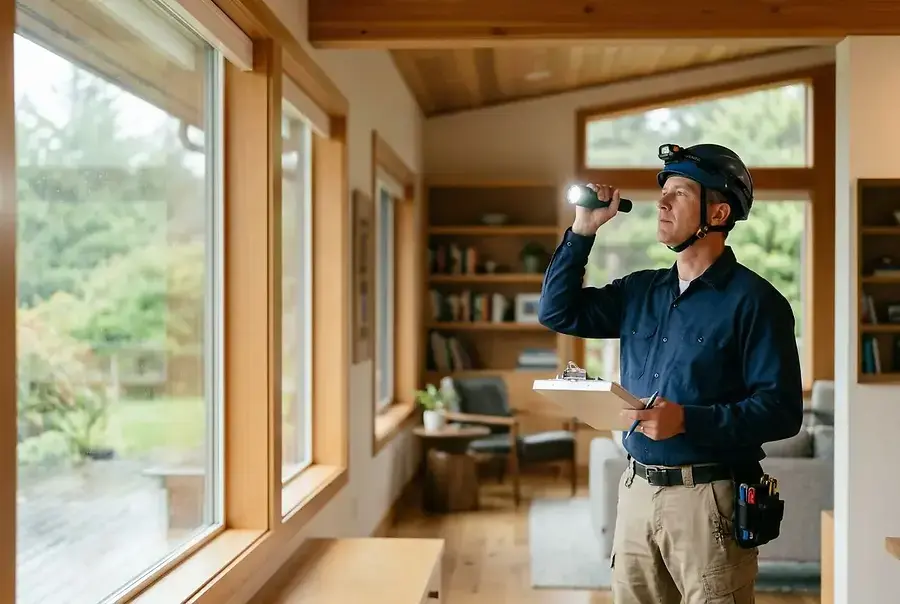
Why Home Inspections Matter in Brookings
Purchasing a home is one of the most significant financial decisions you'll make in your lifetime. In Brookings, Oregon, where the real estate market continues to thrive, a professional home inspection serves as your essential safeguard against costly surprises. A thorough inspection provides you with detailed knowledge about your potential property's condition before you commit to the purchase.
Home inspectors are trained professionals who systematically evaluate every major system and component of a residential property. Their expertise helps you understand what you're buying and identifies any issues that might require attention or negotiation. Whether you're a first-time homebuyer or an experienced investor, understanding what inspectors look for can empower you to make informed decisions about your Brookings property.
Key Areas Inspectors Evaluate in Residential Properties
Structural Components and Foundation
The foundation is the backbone of any home. Inspectors carefully examine the foundation for cracks, settling, water damage, and signs of structural movement. They look for evidence of previous repairs and assess whether the foundation is level and stable. In Brookings, where weather conditions can vary, inspectors pay special attention to moisture intrusion and drainage issues that could compromise structural integrity.
Inspectors also evaluate:
- Basement and crawl space conditions
- Support beams and posts
- Concrete slabs for cracks or heaving
- Grading and drainage around the property
Roofing Systems
Your roof is your home's first line of defense against the elements. Inspectors examine the roof's age, condition, and remaining lifespan. They look for missing or damaged shingles, improper installation, signs of leaks, and adequate ventilation. They also assess flashing around chimneys, vents, and skylights where water intrusion commonly occurs.
Common roof concerns include:
- Deteriorated or missing shingles
- Improper slope or drainage
- Damaged flashing and sealants
- Inadequate ventilation
- Signs of previous repairs or patches
Exterior Walls and Siding
The exterior envelope protects your home from weather and pests. Inspectors examine siding materials, paint condition, caulking, and weatherproofing. They look for rot, damage, gaps, and signs of water intrusion. Windows and doors are tested for proper operation and seal integrity.
Plumbing Systems
A comprehensive plumbing inspection includes checking water supply lines, drain systems, and fixtures throughout the home. Inspectors test water pressure, examine pipes for corrosion or leaks, and verify that the water heater is functioning properly. They also assess the septic system or municipal sewer connection, depending on your property's setup.
Plumbing evaluation covers:
- Water supply pressure and flow
- Pipe materials and condition
- Drain functionality and slope
- Water heater age and condition
- Fixtures and faucet operation
- Septic or sewer system status
Electrical Systems
Electrical safety is paramount in any home inspection. Inspectors examine the main electrical panel, circuit breakers, and wiring throughout the property. They verify that the electrical system is properly grounded and that outlets are functioning safely. They also check for outdated wiring, improper installations, and potential fire hazards.
Heating and Cooling Systems
HVAC systems are critical for comfort and safety. Inspectors test furnaces, air conditioning units, heat pumps, and ventilation systems. They assess the age of equipment, check for proper operation, and evaluate maintenance records. They also examine ductwork for leaks and proper insulation.
Interior Components
Inspectors don't overlook interior details. They examine walls, ceilings, and floors for damage, water stains, or structural issues. They test doors and windows for proper operation, check insulation levels in accessible areas, and look for signs of pest infestation or mold growth. Fireplaces and chimneys are inspected for safety and functionality.
Understanding Your Inspection Report and Next Steps
What to Expect in Your Report
A professional inspection report is a detailed document that outlines the inspector's findings. It typically includes photographs, descriptions of conditions, and recommendations for repairs or further evaluation. Reports categorize issues by severity—from minor cosmetic concerns to major structural problems requiring immediate attention.
The report serves multiple purposes: it provides you with a comprehensive property overview, helps you budget for future repairs, and gives you negotiating leverage with the seller. Understanding how to read and interpret your report is crucial for making informed decisions.
Using Inspection Results for Negotiation
Armed with inspection findings, you have several options. You can request that the seller make repairs before closing, negotiate a price reduction to account for needed work, or ask for credits toward repairs you'll handle yourself. Some issues are deal-breakers, while others are manageable maintenance items.
Remember: Not every finding requires immediate action. Inspectors identify conditions as they exist, but many issues can be addressed over time as part of normal homeownership.
Planning for Future Maintenance
Your inspection report becomes a valuable maintenance guide. It helps you understand your home's systems, plan for future replacements, and budget for upcoming expenses. Many homeowners use inspection reports to create a maintenance schedule and prioritize improvements.
Making Informed Decisions with Inspection Data
A professional home inspection is an investment in your peace of mind and financial security. In Brookings, where residential properties vary widely in age and condition, a thorough inspection provides the information you need to make confident purchasing decisions. Whether you're buying a newly constructed home or a historic property, inspectors help you understand exactly what you're purchasing.
Don't skip the inspection to save money—this is one area where professional expertise pays dividends. A qualified inspector can identify issues that untrained eyes might miss, potentially saving you thousands in unexpected repairs. Take time to review your inspection report carefully, ask questions, and use the findings to negotiate favorable terms or plan for future maintenance.
Your home inspection is your opportunity to buy with confidence and protect your investment for years to come.