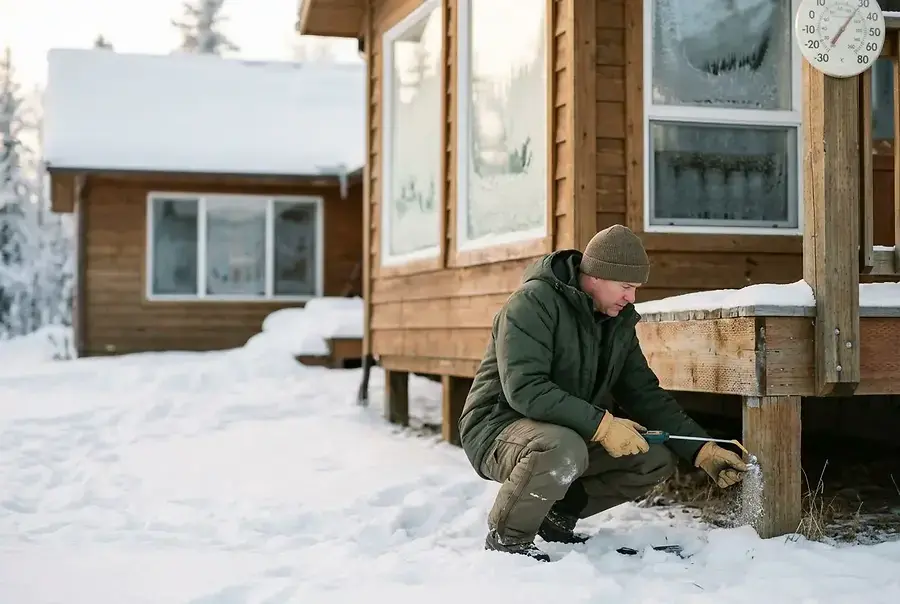
Understanding Alaska-Specific Home Inspection Requirements
Home inspections in Interior Alaska require specialized knowledge that goes far beyond standard inspection protocols. The extreme climate, unique geological conditions, and building challenges specific to regions like Fairbanks, North Pole, Salcha, and Fort Wainwright demand that inspectors understand the particular stressors that affect properties in this environment.
Unlike inspections in the lower 48 states, Alaska home inspectors must evaluate how properties withstand temperatures that regularly drop to -40°F or lower. This creates unique structural, mechanical, and safety concerns that directly impact property value and livability. Understanding these regional requirements is crucial for anyone buying or selling property in Interior Alaska.
The Impact of Permafrost and Ground Conditions
One of the most critical factors inspectors examine is the property's relationship with permafrost. Permafrost—permanently frozen ground—can shift and settle unpredictably, causing foundation problems that are expensive and difficult to repair. Inspectors look for signs of foundation movement, uneven settling, and cracks in basement walls or concrete slabs.
Properties built on pilings or posts are generally preferred in Interior Alaska because they allow ground movement without compromising the structure. Inspectors will verify that pilings are properly installed and that the space beneath the home is adequately ventilated to prevent ice buildup.
Key Systems to Evaluate in Extreme Cold Climates
Heating Systems and Energy Efficiency
The heating system is arguably the most important component of any Interior Alaska home. Inspectors thoroughly evaluate:
- Furnace condition and age – Systems typically last 15-20 years; older systems may be unreliable during critical winter months
- Backup heating sources – Wood stoves, space heaters, or radiant floor heating provide essential redundancy
- Thermostat functionality – Programmable thermostats help manage energy costs in extreme cold
- Ductwork insulation – Proper insulation prevents heat loss and frozen pipes
Inspectors also assess overall energy efficiency, including insulation levels in walls, attics, and crawl spaces. Homes in Interior Alaska typically need R-38 to R-60 attic insulation to maintain comfortable temperatures and reasonable heating costs.
Plumbing and Water Systems
Frozen pipes are a constant threat in Interior Alaska. Inspectors examine:
- Pipe insulation and heat tape installation
- Water line routing and protection from freezing
- Septic system design and freeze protection
- Well water systems and winterization measures
- Drain lines and their ability to handle extreme cold
Properties with inadequate pipe protection face costly emergency repairs when temperatures plummet. Inspectors verify that all exposed pipes are properly insulated and that heat sources are in place to prevent freezing.
Roof and Attic Conditions
Heavy snow loads and ice dams create unique roofing challenges. Inspectors evaluate:
- Roof structural integrity and load capacity
- Proper ventilation to prevent ice dam formation
- Insulation quality and air sealing
- Gutters and drainage systems designed for heavy snow
- Chimney flashing and weatherproofing
A properly designed attic with adequate ventilation and insulation is essential for preventing ice dams that can cause water damage and structural problems.
Electrical Systems and Safety
Inspectors verify that electrical systems are properly grounded and protected, especially important given Alaska's unique weather conditions. They check for:
- Adequate circuit capacity for heating loads
- Proper grounding and surge protection
- GFCI protection in wet areas
- Generator systems and fuel storage safety
Red Flags and Common Issues in Interior Alaska Properties
Foundation and Structural Problems
Uneven settling and foundation cracks are red flags that suggest permafrost movement or inadequate foundation design. Inspectors look for diagonal cracks, gaps between walls and floors, and doors or windows that no longer close properly.
Inadequate pilings or support systems can lead to serious structural issues. Properties should be elevated on properly installed pilings that extend below the active layer of soil.
Moisture and Mold Issues
The combination of extreme cold and indoor heating creates moisture challenges. Inspectors watch for:
- Condensation on windows and walls
- Mold growth in bathrooms, basements, or crawl spaces
- Water stains indicating past or present leaks
- Inadequate ventilation in kitchens and bathrooms
Proper ventilation and moisture control are essential for preventing health hazards and structural damage.
Heating System Failures
Inspectors flag furnaces that are nearing the end of their lifespan or showing signs of malfunction. In Interior Alaska, a heating system failure during winter is not merely inconvenient—it's a serious safety concern. Properties without backup heating sources are particularly risky.
Inadequate Insulation
Homes with insufficient insulation will have extremely high heating costs and may struggle to maintain comfortable temperatures. This is a major red flag that suggests future expenses for the new owner.
Taking Action: Next Steps After Your Inspection
Review the Inspection Report Carefully
Take time to understand all findings, especially those related to heating systems, foundations, and structural integrity. Ask your inspector to explain any concerns and their potential impact on your investment.
Prioritize Issues by Severity
Not all inspection findings require immediate attention. Focus on critical issues like heating system problems, foundation concerns, and water damage. Less urgent items like cosmetic repairs can often be addressed later.
Obtain Repair Estimates
For significant issues, get written estimates from qualified contractors. This information helps you negotiate with sellers or plan your budget for necessary repairs.
Consider a Specialist Inspection
For properties with complex issues—particularly foundation or permafrost concerns—consider hiring a specialist engineer to provide detailed analysis and recommendations.
Purchasing property in Interior Alaska requires careful attention to climate-specific factors that don't apply elsewhere. A thorough inspection by someone familiar with Alaska's unique challenges is your best protection against costly surprises.