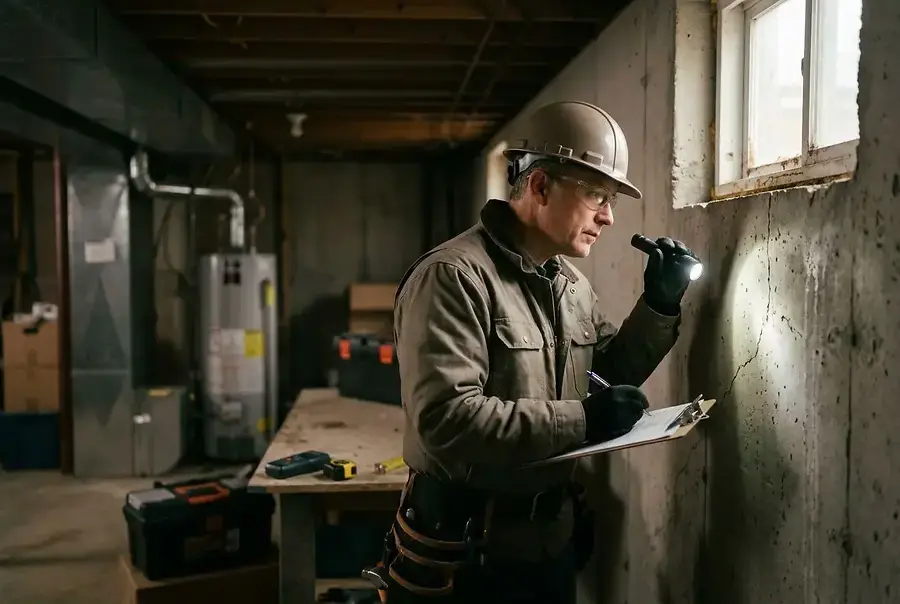
Why Home Inspections Are Critical in Metro Detroit's Diverse Housing Market
Purchasing a home is one of the most significant financial decisions you'll make, and in Metro Detroit's diverse housing market, a professional home inspection is your best defense against costly surprises. Whether you're buying a historic Victorian in Grosse Pointe, a contemporary home in Troy, or a charming bungalow in Royal Oak, understanding what inspectors look for can help you make an informed decision and protect your investment.
Metro Detroit's housing stock is incredibly varied, with homes ranging from early 1900s properties to modern constructions. This diversity means that different homes present different challenges. A thorough home inspection provides you with a detailed report of the property's condition, helping you identify potential issues before you commit to the purchase.
Understanding the Home Inspection Process: What Inspectors Evaluate and Timeline Expectations
The Comprehensive Inspection Timeline
A standard home inspection typically takes 2 to 4 hours, depending on the home's size and age. During this time, inspectors systematically evaluate every major system and component of the property. Most inspections include a detailed written report delivered within 24 to 48 hours, giving you time to review findings and make decisions.
Key Areas Inspectors Examine
Professional home inspectors evaluate the following critical areas:
- Structural Components: Foundation, framing, walls, and overall structural integrity
- Roofing System: Roof condition, flashing, gutters, and drainage
- Exterior: Siding, windows, doors, decks, and landscaping drainage
- Plumbing System: Water supply lines, drains, fixtures, and water heater
- Electrical System: Panel, wiring, outlets, and safety features
- HVAC System: Furnace, air conditioning, ductwork, and thermostat
- Interior: Walls, ceilings, floors, doors, and built-in appliances
- Attic and Basement: Insulation, ventilation, moisture, and structural issues
What Inspectors Look For But Don't Repair
It's important to note that home inspectors identify problems but don't fix them. They also typically don't inspect:
- Pest infestations (requires a separate pest inspection)
- Environmental hazards like lead paint or asbestos (requires specialized testing)
- Radon levels (requires a separate radon test)
- Mold (though they note visible moisture issues)
Common Issues Found in Metro Detroit Homes: Aging Foundations, Water Damage, and Climate-Related Concerns
Foundation Problems: A Metro Detroit Concern
Many homes in Metro Detroit, particularly in areas like Detroit, Macomb, and Southfield, were built on clay soil that expands and contracts with moisture changes. This can lead to foundation cracks, settling, and bowing walls. Inspectors pay special attention to:
- Horizontal or stair-step cracks in basement walls
- Uneven floors or doors that don't close properly
- Water seepage or efflorescence (white mineral deposits)
- Signs of previous foundation repairs
Water Damage and Moisture Issues
Michigan's climate brings significant precipitation and freeze-thaw cycles, making water damage a common issue in Metro Detroit homes. Inspectors look for:
- Basement moisture: Wet spots, mold, or musty odors indicating poor drainage
- Roof leaks: Water stains on ceilings or attic framing
- Gutter problems: Improper drainage directing water toward the foundation
- Grading issues: Landscape sloping toward the home instead of away from it
Aging Systems and Components
Homes in Birmingham, Sterling Heights, and Royal Oak often feature aging systems that may need replacement soon. Inspectors evaluate the remaining lifespan of:
- Roofs: Typically last 15-25 years; asphalt shingles in Metro Detroit often deteriorate faster due to weather
- Water heaters: Usually need replacement every 8-12 years
- HVAC systems: Furnaces and air conditioners typically last 15-20 years
- Electrical panels: Older panels may have safety issues or insufficient capacity
Climate-Related Wear and Tear
Metro Detroit's harsh winters and variable weather patterns create specific challenges. Inspectors look for:
- Ice dam damage: Poor attic ventilation and insulation causing ice dams
- Freeze-thaw damage: Cracked concrete, damaged mortar, and deteriorating brick
- Rust and corrosion: Particularly on metal components and in areas with road salt exposure
- Inadequate insulation: Leading to high energy costs in this climate
Historic Home Considerations
Properties in Grosse Pointe and older neighborhoods often have unique challenges. Inspectors note:
- Outdated electrical systems that may not meet current codes
- Plumbing made from materials that may need replacement
- Asbestos in insulation, flooring, or other materials
- Lead paint (homes built before 1978)
Using Inspection Results to Negotiate and Protect Your Investment
Understanding Your Inspection Report
A detailed inspection report categorizes findings by severity. Major issues like foundation problems or roof failure require immediate attention. Minor issues like caulking or paint touch-ups are cosmetic. Understanding this distinction helps you prioritize concerns and budget accordingly.
Negotiation Strategies
Once you receive your inspection report, you have several options:
- Request repairs: Ask the seller to fix major issues before closing
- Request credits: Have the seller provide money at closing to cover repairs
- Renegotiate price: Reduce the offer based on repair costs
- Walk away: If issues are too severe or costly, you can terminate the purchase
In competitive Metro Detroit markets like Troy and Birmingham, having inspection contingencies in your offer protects you from making a purchase based on incomplete information.
Planning for Future Maintenance
Even if you proceed with the purchase, use the inspection report to plan maintenance. Items noted as "near end of lifespan" should be budgeted for replacement within the next few years. This proactive approach prevents emergency repairs and helps you maintain your home's value.
Pro Tip: Keep your inspection report and all repair receipts for future reference. They're valuable when you eventually sell your home and help document your investment in maintenance.
Conclusion
A professional home inspection is an essential step in the home-buying process throughout Metro Detroit—from the urban neighborhoods of Detroit to the suburban communities of Sterling Heights, Southfield, and Macomb. By understanding what inspectors evaluate and recognizing common issues specific to this region's climate and housing stock, you can make confident decisions and protect your investment.
Don't skip the inspection to save money or speed up the process. The few hundred dollars spent on a thorough inspection can save you thousands in unexpected repairs and give you the peace of mind that comes with knowing exactly what you're buying. Your future self will thank you.