Understanding the Home Inspection Process and What Inspectors Examine
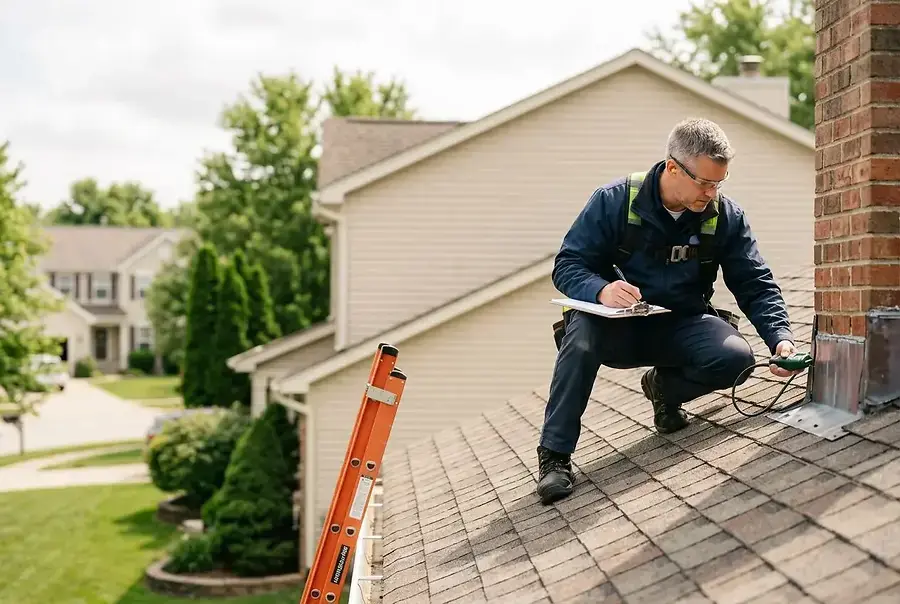
A home inspection is one of the most critical steps in the home-buying process. Professional inspectors conduct a thorough examination of a property's structural integrity, systems, and overall condition. Understanding what they look for can help you prepare for the inspection and better evaluate the property's true value.
Home inspectors typically examine:
- Structural Components: Foundation, walls, roof, and framing for signs of damage, settling, or deterioration
- Roofing Systems: Shingles, flashing, gutters, and overall condition to assess remaining lifespan
- Electrical Systems: Panel boxes, wiring, outlets, and safety features to ensure code compliance
- Plumbing: Water supply lines, drainage systems, fixtures, and water heater functionality
- HVAC Systems: Heating, cooling, and ventilation equipment for proper operation and maintenance needs
- Interior Elements: Walls, ceilings, floors, windows, doors, and insulation
- Exterior Features: Siding, decks, patios, landscaping, and drainage systems
The inspection typically takes 2-4 hours depending on the property's size and age. Inspectors use specialized tools and equipment to identify issues that may not be visible to the untrained eye.
Decoding Common Inspection Findings and Their Severity Levels
Critical Issues
Critical findings require immediate attention and can significantly impact your purchase decision. These include:
- Foundation cracks or structural damage
- Roof leaks or severe deterioration
- Electrical hazards or code violations
- Plumbing failures or sewage backup issues
- Mold or water damage indicating moisture problems
Critical issues can cost thousands to repair and may affect the property's insurability and resale value.
Major Concerns
Major concerns require repairs within the next 1-3 years and should influence your negotiation strategy:
- Aging roof nearing end of lifespan (15+ years old)
- Outdated electrical panels or insufficient capacity
- Water heater approaching replacement age
- HVAC systems requiring maintenance or replacement
- Significant settling or minor structural issues
Minor Issues
Minor findings are typically cosmetic or maintenance-related items that don't require urgent attention:
- Caulking or weatherstripping needs
- Paint touch-ups or minor drywall repairs
- Gutter cleaning or minor repairs
- Loose handrails or minor safety items
- Routine maintenance recommendations
Using Inspection Results to Negotiate Repairs or Price Adjustments
Reviewing Your Inspection Report
Once you receive the inspection report, take time to understand each finding. The report should clearly categorize issues by severity and provide detailed descriptions. Don't hesitate to ask your inspector questions about anything unclear—they can provide valuable context about repair urgency and estimated costs.
Determining Your Negotiation Strategy
You have several options when addressing inspection findings:
- Request Repairs: Ask the seller to fix critical and major issues before closing
- Price Reduction: Negotiate a lower purchase price to account for repairs you'll handle
- Seller Credit: Request funds at closing to cover repair costs
- Accept As-Is: Proceed without requesting changes if issues are minor or acceptable
The best approach depends on your financial situation, the property's market value, and the severity of issues found. Focus your negotiations on critical and major items that significantly impact safety, functionality, or long-term costs.
Getting Repair Estimates
Before negotiating, obtain estimates from licensed contractors for major repairs. This gives you concrete numbers to support your requests and demonstrates you've done your homework. Sellers are more likely to respond positively to reasonable, documented requests.
Moving Forward Confidently After Receiving Your Inspection Report
Making Your Final Decision
The inspection report is a powerful tool for making an informed decision. Consider:
- The total cost of repairs and whether you can afford them
- The property's overall condition relative to comparable homes
- Your long-term plans for the property
- The local real estate market conditions
- Your comfort level with the property's condition
Remember, no home is perfect. Older homes will have more wear, while newer homes may have construction defects. The key is understanding what you're buying and whether the property aligns with your expectations and budget.
Planning for Future Maintenance
Use the inspection report as a roadmap for future maintenance. Create a prioritized list of repairs and improvements, then budget accordingly. This proactive approach helps you avoid costly emergency repairs and extends the life of your home's systems.
Working with Your Real Estate Agent
Your real estate agent can provide valuable guidance on negotiation strategies based on local market conditions and comparable sales. They understand what's typical for homes in your area and can help you determine whether your requests are reasonable.
A thorough home inspection empowers you to make confident purchasing decisions. By understanding what inspectors examine, interpreting findings accurately, and using results strategically, you can protect your investment and avoid costly surprises after closing. Trust the inspection process—it's designed to give you the information you need to buy with confidence.