Understanding the Home Inspection Process
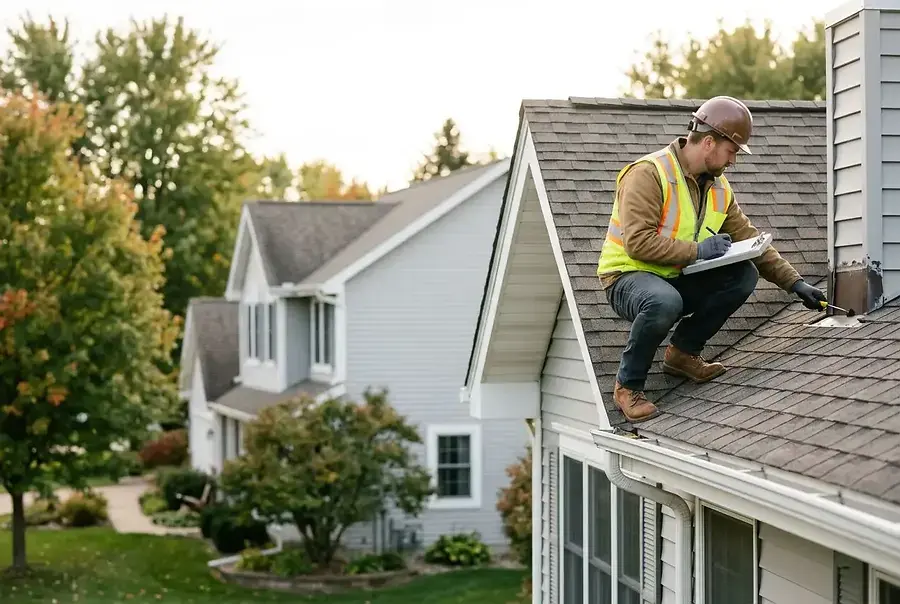
A home inspection is one of the most important steps in the home-buying process. This comprehensive evaluation examines the structural integrity, mechanical systems, and overall condition of a property. In Wausau and Mosinee, Wisconsin, professional inspectors conduct thorough assessments that can reveal hidden issues before you commit to a purchase.
During a typical inspection, certified inspectors examine the foundation, roof, plumbing, electrical systems, HVAC units, and interior components. The process usually takes two to three hours and results in a detailed report that documents the property's condition. Understanding what inspectors look for helps you prepare for potential issues and make informed decisions about your investment.
Why Home Inspections Matter in Wisconsin
Wisconsin's climate and seasonal changes create unique challenges for residential properties. Freeze-thaw cycles, heavy snow loads, and moisture issues are common concerns in the Wausau and Mosinee areas. A thorough inspection identifies problems related to these environmental factors before they become costly repairs.
Common Issues Found in Wausau and Mosinee Homes
Home inspectors in the Wausau and Mosinee region frequently encounter specific issues related to the local climate and construction practices. Being aware of these common problems helps you evaluate inspection reports more effectively.
Roof and Attic Concerns
The Wisconsin climate takes a toll on roofing systems. Inspectors commonly find:
- Shingle deterioration from freeze-thaw cycles and UV exposure
- Ice dam damage causing water infiltration and attic moisture
- Inadequate ventilation leading to premature aging and moisture accumulation
- Flashing issues around chimneys and vents that allow water penetration
Foundation and Basement Issues
Many older homes in Wausau and Mosinee have foundation concerns. Inspectors frequently report:
- Cracks in concrete from settling and soil movement
- Water seepage during spring thaw and heavy rains
- Efflorescence indicating moisture migration through basement walls
- Inadequate drainage around the foundation perimeter
Plumbing and Water Systems
Aging plumbing is a common finding in regional properties. Typical issues include:
- Galvanized pipes that are corroded and restricting water flow
- Polybutylene pipes prone to failure and leaks
- Water pressure problems from mineral buildup or pipe deterioration
- Sump pump failures leaving basements vulnerable to flooding
Electrical System Deficiencies
Inspectors often discover electrical concerns in older homes:
- Outdated panels with insufficient capacity for modern appliances
- Aluminum wiring creating fire hazards and connection problems
- Missing ground fault protection in bathrooms and kitchens
- Improper grounding in older installations
Questions to Ask Your Inspector and Red Flags to Watch For
Being an informed buyer means asking the right questions during and after the inspection. Don't hesitate to request clarification on any findings.
Essential Questions to Ask
- What is the estimated remaining lifespan of major systems like the roof and HVAC?
- Are there any safety concerns that need immediate attention?
- What repairs are cosmetic versus structural?
- How do local climate conditions affect this property's maintenance needs?
- What preventive maintenance would you recommend?
Critical Red Flags
Certain findings warrant serious consideration:
- Active water intrusion indicating immediate foundation or roof problems
- Structural damage such as sagging floors or compromised support beams
- Mold growth suggesting moisture problems and potential health hazards
- Outdated electrical systems that pose fire risks
- Failing HVAC systems requiring imminent replacement
- Asbestos or lead paint requiring professional remediation
Understanding the Severity Scale
Professional inspectors typically categorize findings by severity. Major issues require immediate attention and can significantly impact your offer. Minor issues are cosmetic or easily remedied. Maintenance recommendations help preserve the property's condition long-term. Understanding these distinctions helps you prioritize concerns and negotiate effectively.
Using Inspection Reports to Negotiate Better Offers
An inspection report is a powerful negotiation tool. Armed with detailed findings, you can make strategic decisions about your offer.
Strategies for Negotiation
After receiving the inspection report, you have several options:
- Request repairs – Ask the seller to fix major issues before closing
- Negotiate a price reduction – Reduce your offer based on repair costs
- Request a credit – Receive funds at closing to handle repairs yourself
- Walk away – Terminate the purchase if issues are too significant
Calculating Repair Costs
Don't rely solely on inspector estimates. Obtain quotes from licensed contractors for major repairs. In Wausau and Mosinee, typical costs include roof replacement ($8,000-$15,000), foundation repairs ($3,000-$10,000), and electrical panel upgrades ($1,500-$3,000). These figures help you make informed negotiation decisions.
Documentation and Follow-Up
Keep detailed records of all inspection findings and negotiations. Request that any agreed-upon repairs include written specifications and timelines. Consider hiring a reinspection service to verify that repairs meet standards before closing. This protects your investment and ensures quality work.
Building Your Inspection Team
For significant findings, consider hiring specialists. Structural engineers evaluate foundation concerns, mold inspectors assess moisture issues, and electrical contractors review system safety. These professionals provide detailed assessments that strengthen your negotiating position.
Home inspections are invaluable investments in your peace of mind. By understanding common issues in Wausau and Mosinee properties, asking informed questions, and using inspection reports strategically, you protect your financial investment and ensure you're making a sound decision. Take the inspection process seriously, and you'll gain the confidence needed to move forward with your home purchase.