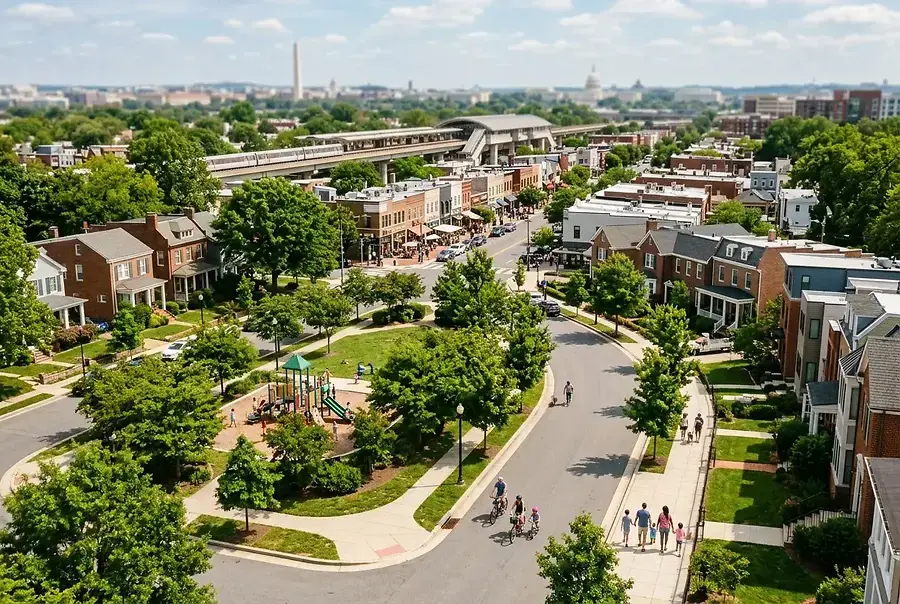
What Drives Property Values in the DC Metro Area
The DC Metro region remains one of the most dynamic real estate markets in the United States. Whether you're a first-time homebuyer, a seasoned investor, or someone looking to sell, understanding what drives property values is essential. Home prices in Northern Virginia and Maryland suburbs fluctuate based on a complex interplay of factors—some within your control as a homeowner, and others determined by broader market forces.
The DC Metro area's strong job market, excellent schools, and vibrant communities create a competitive landscape where property values can shift significantly. By understanding these dynamics, you can make more informed decisions about buying, selling, or investing in real estate.
Key Factors That Influence Home Prices Across Your Region
School District Quality and Performance
One of the most significant drivers of home values in the DC Metro area is school district quality. Families prioritize excellent schools, and homes in top-rated school districts command premium prices. Properties in neighborhoods served by highly-ranked elementary, middle, and high schools consistently appreciate faster than those in lower-performing districts.
School ratings, test scores, and graduation rates directly impact buyer demand. Even homes that need renovation sell quickly in excellent school districts, while comparable properties in weaker districts may languish on the market.
Neighborhood Amenities and Walkability
Modern homebuyers increasingly value walkable neighborhoods with convenient access to shopping, dining, parks, and entertainment. Communities with vibrant downtown areas, farmers markets, and recreational facilities attract younger professionals and families willing to pay premium prices.
- Proximity to public transportation – Metro access significantly boosts property values
- Parks and green spaces – Neighborhoods with quality parks see higher demand
- Retail and dining options – Walkable commercial districts increase neighborhood appeal
- Community events and culture – Active neighborhoods with events attract residents
Commute Times and Location
The DC Metro area's notorious traffic makes commute times a critical factor. Homes with shorter commutes to major employment centers command higher prices. Proximity to I-66, I-81, the Beltway, and Metro stations significantly impacts property values. Neighborhoods offering reasonable commute times to downtown DC, Arlington, or major employment hubs in Fairfax County appreciate more rapidly.
Economic Conditions and Job Growth
The strength of the regional economy directly influences home prices. The DC Metro area benefits from a stable job market driven by government, technology, healthcare, and professional services sectors. When major employers expand or new companies establish headquarters in the region, nearby property values typically rise.
Interest rates also play a crucial role. Lower mortgage rates increase buyer purchasing power, driving up demand and prices. Conversely, higher rates can cool the market and create opportunities for buyers.
Supply and Demand Dynamics
Like any market, real estate follows basic supply and demand principles. When inventory is low and demand is high, prices rise. Neighborhoods with limited available homes appreciate faster than those with abundant inventory. New construction, teardowns, and renovation activity can increase supply and affect price trajectories.
Property Condition and Age
Well-maintained homes and those with recent updates command higher prices than properties requiring significant repairs. Modern kitchens, updated bathrooms, energy-efficient systems, and fresh aesthetics appeal to buyers and justify premium pricing. Older homes in desirable neighborhoods may appreciate despite age if they're well-maintained.
Comparing Property Values: Neighborhood Profiles and Market Insights
Northern Virginia Hotspots
Northern Virginia continues to experience strong appreciation, particularly in communities like Arlington, Alexandria, and Falls Church. These areas benefit from excellent schools, walkable neighborhoods, and proximity to employment centers. Fairfax County neighborhoods with strong school ratings and convenient Metro access see consistent demand and rising values.
Emerging neighborhoods in Loudoun County offer more affordable entry points while still providing good schools and growing amenities. As the region expands westward, these communities attract families seeking value without sacrificing quality.
Maryland Suburbs and Emerging Markets
Montgomery County and Prince George's County offer diverse neighborhoods with varying price points. Areas near Metro stations in Silver Spring, Bethesda, and College Park have seen significant revitalization and appreciation. These communities attract professionals seeking urban amenities with suburban living.
Neighborhoods undergoing revitalization often present opportunities for buyers seeking value. As infrastructure improves and new businesses arrive, property values in these areas can appreciate significantly.
Market Trends to Watch
Remote work flexibility continues to influence where people choose to live. Some professionals now prioritize home office space and neighborhood quality over commute convenience, opening opportunities in previously overlooked areas.
Sustainability and green features increasingly appeal to buyers. Homes with energy-efficient systems, solar panels, and sustainable landscaping command premiums and appreciate faster.
Demographic shifts also impact values. Aging baby boomers downsizing create opportunities in smaller, maintenance-free properties, while young families drive demand for larger homes in family-friendly neighborhoods.
Using Market Knowledge to Make Informed Real Estate Decisions
Understanding what drives home values empowers you to make strategic real estate decisions. If you're buying, research school districts, neighborhood amenities, and long-term development plans. Look for neighborhoods with strong fundamentals that may be undervalued relative to their potential.
If you're selling, focus on improvements that appeal to your target market. In family-oriented neighborhoods, updated schools and parks matter most. In urban areas, walkability and modern finishes drive value. Price competitively based on comparable sales and current market conditions.
For investors, identify neighborhoods with strong job growth, improving schools, and planned infrastructure improvements. These areas typically deliver better long-term appreciation.
The DC Metro real estate market rewards informed decision-making. By understanding the factors that drive property values—from school quality and neighborhood amenities to economic conditions and market trends—you can navigate this competitive market with confidence and make choices aligned with your goals.