Understanding the Home Inspection Process
A home inspection is one of the most critical steps in the home buying journey. This comprehensive evaluation examines the structural integrity, mechanical systems, and overall condition of a property. For Shelby County buyers, understanding what happens during an inspection can help you make informed decisions and protect your investment.
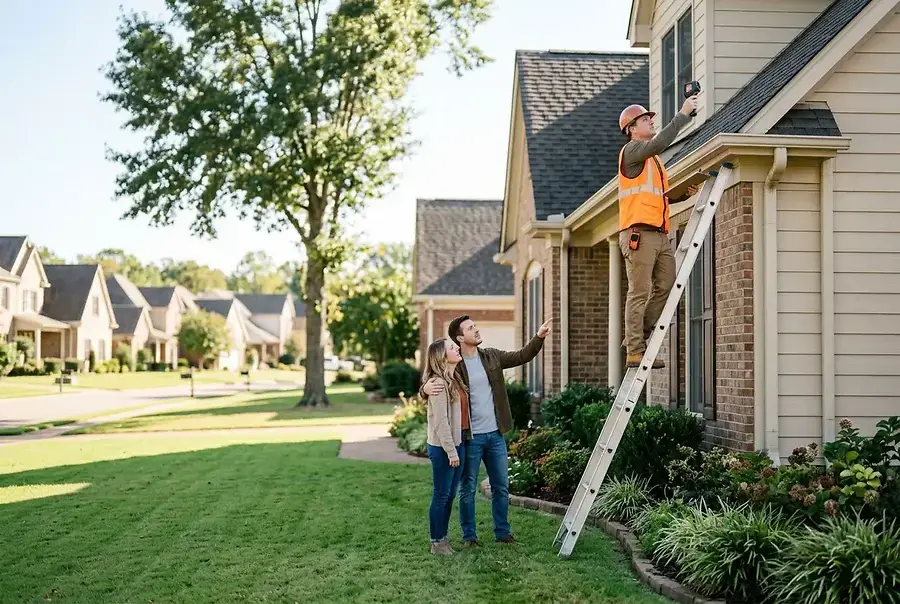
During a typical home inspection, a licensed inspector will spend two to four hours thoroughly examining the property. They'll evaluate the foundation, roof, plumbing, electrical systems, HVAC units, and more. As a buyer, you have the right to be present during the inspection—in fact, it's highly recommended. This allows you to ask questions and gain firsthand knowledge about the property's condition.
What to Expect During Your Inspection
The inspector will use specialized tools and equipment to assess various components of your home. They'll check for water damage, pest infestations, code violations, and safety hazards. The process is non-invasive and won't damage the property. After the inspection, you'll receive a detailed report within 24 to 48 hours outlining all findings.
Common Issues Found in Shelby County Homes
Shelby County homes, like properties in many regions, tend to have certain recurring issues. Being aware of these common problems can help you anticipate potential repairs and negotiate better terms with sellers.
Roof and Water Damage
One of the most frequently identified issues in Shelby County homes is roof deterioration and water damage. The region's climate can be tough on roofing materials, leading to leaks, missing shingles, and compromised structural integrity. Water damage often extends beyond the roof, affecting attics, ceilings, and walls.
Foundation and Structural Concerns
Older homes in Shelby County may exhibit foundation settling, cracks, or moisture intrusion. These issues can range from minor cosmetic concerns to serious structural problems requiring significant repairs. Foundation issues should never be ignored, as they can compromise the entire home's stability.
HVAC and Plumbing Systems
Aging heating and cooling systems are common in established neighborhoods. Similarly, outdated plumbing—particularly galvanized pipes or polybutylene plumbing—can lead to leaks and water quality issues. Inspectors will assess the age and functionality of these critical systems.
Electrical System Issues
Outdated electrical panels, insufficient outlets, and code violations frequently appear in inspection reports. Some older Shelby County homes may have aluminum wiring, which poses fire hazards and should be professionally evaluated.
How to Review and Act on Inspection Reports
Once you receive your inspection report, it's time to carefully review the findings and determine your next steps. Don't let the report overwhelm you—most homes have some issues, and many are manageable.
Prioritizing Issues by Severity
Categorize findings into three groups:
- Critical Issues: Safety hazards or major structural problems requiring immediate attention
- Important Issues: Systems nearing the end of their lifespan or requiring repairs within the next few years
- Minor Issues: Cosmetic concerns or small repairs that don't significantly impact home value
Getting a Second Opinion
For significant issues, consider hiring a specialist. A structural engineer can evaluate foundation concerns, while a licensed electrician or plumber can assess system-specific problems. These additional inspections provide clarity and strengthen your negotiating position.
Negotiation Strategies
Armed with your inspection report, you have several options:
- Request repairs: Ask the seller to fix critical issues before closing
- Request credits: Negotiate a credit toward closing costs to handle repairs yourself
- Request price reduction: Lower the purchase price to account for necessary repairs
- Walk away: If issues are too severe or costly, you may decide the property isn't right for you
Remember, you have leverage during the inspection period. Use it wisely to protect your interests.
Next Steps After Your Home Inspection
After addressing inspection findings, there are additional steps to ensure a smooth closing and successful homeownership.
Schedule a Final Walk-Through
Before closing, conduct a final walk-through to verify that agreed-upon repairs were completed satisfactorily. Check that the home is in the condition you expected and that no new damage has occurred.
Obtain Warranties and Documentation
Request copies of all repair receipts, warranties, and documentation from the seller. This information will be valuable for future maintenance and potential insurance claims.
Plan Your Maintenance Schedule
Use your inspection report as a roadmap for future maintenance. Note when systems are expected to need replacement and budget accordingly. Regular maintenance can prevent small issues from becoming expensive problems.
Consider a Home Warranty
A home warranty can provide peace of mind by covering unexpected repairs to major systems and appliances. Many Shelby County buyers find this investment worthwhile, especially for older homes.
Conclusion: Home inspections are invaluable tools for Shelby County buyers. By understanding the inspection process, recognizing common issues, and taking informed action on inspection reports, you'll protect your investment and avoid costly surprises. Don't rush through this critical step—it's your opportunity to make the best decision for your family and your financial future.