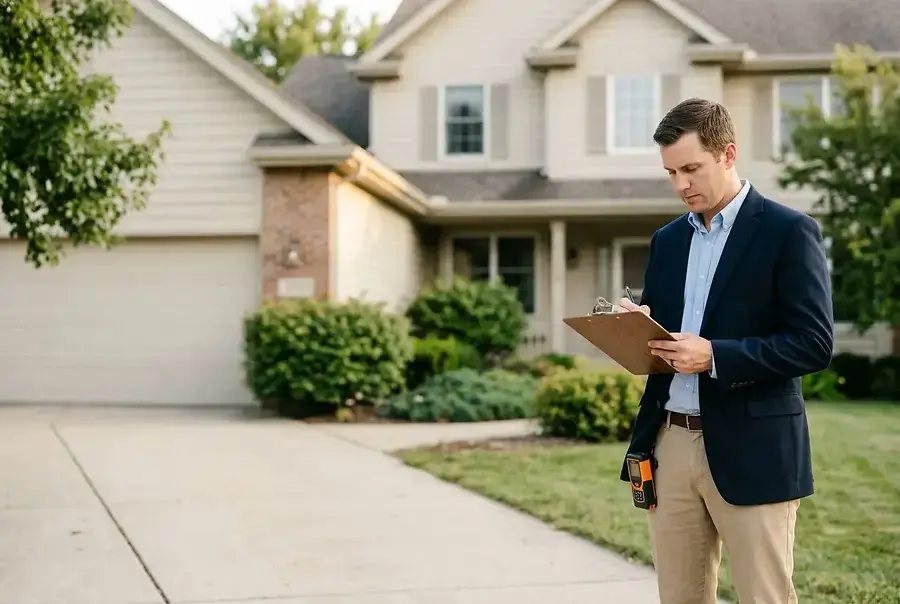
Understanding How Home Appraisals Work and Why They Matter
A home appraisal is an independent assessment of your property's market value, conducted by a licensed professional appraiser. This evaluation is crucial in the home buying process because it protects both the lender and the buyer. Lenders use appraisals to ensure they're not lending more money than the property is worth, while buyers gain confidence that they're making a sound investment.
Appraisers examine multiple factors when determining a home's value, including:
- The property's location and neighborhood desirability
- The home's age, condition, and structural integrity
- Recent sales of comparable properties in the area
- Square footage and lot size
- Upgrades, renovations, and special features
- Market trends and economic conditions
When an appraisal comes in lower than the agreed-upon purchase price, it creates a significant challenge. This gap means the lender will only finance based on the appraised value, leaving you responsible for the difference—unless you take action.
Common Reasons Appraisals Fall Short of Purchase Price
Market Conditions and Timing
One of the most common reasons for low appraisals is a shift in market conditions. If the real estate market is cooling or experiencing a downturn, comparable home sales may reflect lower prices than what you agreed to pay. This is particularly common in competitive markets where bidding wars drive prices above actual market value.
Property-Specific Issues
Appraisers may discover issues during their inspection that weren't apparent during your walkthrough. These could include:
- Structural problems or foundation concerns
- Outdated systems (electrical, plumbing, HVAC)
- Deferred maintenance or needed repairs
- Environmental concerns or hazards
- Zoning restrictions or legal issues
Comparable Sales Data
Appraisers rely heavily on recent sales of similar properties. If comparable homes in your area have sold for less, or if there's limited comparable data, the appraisal may come in lower than expected. New construction or significant neighborhood changes can also affect comparable values.
Negotiation Strategies and Solutions to Bridge the Gap
Request an Appraisal Review
Before accepting a low appraisal, ask your real estate agent or lender to review it for errors. Appraisers are human and can make mistakes. Common errors include:
- Incorrect property measurements or square footage
- Missed upgrades or recent renovations
- Inaccurate comparable sales data
- Failure to account for unique property features
If you find legitimate errors, you can request a formal appraisal appeal or reconsideration.
Renegotiate the Purchase Price
The most straightforward solution is to renegotiate with the seller. Present the appraisal report to the seller and propose a new price that reflects the appraised value. Many sellers are willing to negotiate, especially if they want to close the deal quickly. This approach protects your investment and ensures you're not overpaying.
Increase Your Down Payment
If you have additional funds available, you can cover the appraisal gap yourself by increasing your down payment. For example, if the home appraised at $450,000 but you agreed to pay $475,000, you could put down an extra $25,000 to make up the difference. This option works best if you have the financial capacity without straining your budget.
Explore Contingency Options
Review your purchase agreement for appraisal contingencies. Many contracts include clauses that allow you to back out if the appraisal comes in low. However, this should be a last resort, as it may result in losing earnest money or damaging your reputation with the seller.
Ask the Seller to Contribute
In some cases, sellers may agree to contribute toward closing costs or repairs, effectively reducing your out-of-pocket expenses. This is a creative way to bridge the gap without renegotiating the purchase price directly.
Moving Forward: Making Your Final Decision
Evaluate Your Financial Position
Before deciding how to proceed, honestly assess your financial situation. Can you afford to cover the appraisal gap? Will doing so strain your emergency fund or leave you house-poor? Your financial security should always come first.
Consider the Long-Term Value
Think about your long-term plans for the property. If you're planning to stay for many years, a temporary appraisal gap may be less concerning than if you're planning to sell soon. Real estate values typically appreciate over time, which could work in your favor.
Get Professional Advice
Consult with your real estate agent, lender, and possibly a real estate attorney to understand all your options. Each situation is unique, and professional guidance can help you make the best decision for your circumstances.
Remember: A low appraisal doesn't mean the deal is dead. It simply means you need to reassess the situation and find a solution that works for everyone involved.
Document Everything
Keep detailed records of all communications, appraisal reports, and negotiations. This documentation protects you and ensures clarity throughout the process.
Dealing with a low home appraisal can be stressful, but it's a manageable challenge with the right approach. By understanding the appraisal process, exploring your options, and making informed decisions, you can navigate this situation successfully and move forward with confidence in your home purchase.