Understanding Your Local Real Estate Market
The South Texas real estate market is experiencing dynamic shifts that are reshaping property values across the region. Whether you're a homeowner, prospective buyer, or investor, understanding these trends is essential for making informed decisions about residential properties. San Antonio, Del Rio, and the surrounding communities each present unique opportunities and challenges in today's evolving housing landscape.
The real estate market doesn't operate in a vacuum. Local economic conditions, population growth, infrastructure development, and regional demand all play crucial roles in determining how your home's value changes over time. By examining these factors, you can better understand what's happening in your neighborhood and what it might mean for your property.
Market Trends Across South Texas Communities: Data-Driven Insights
San Antonio's Growing Appeal
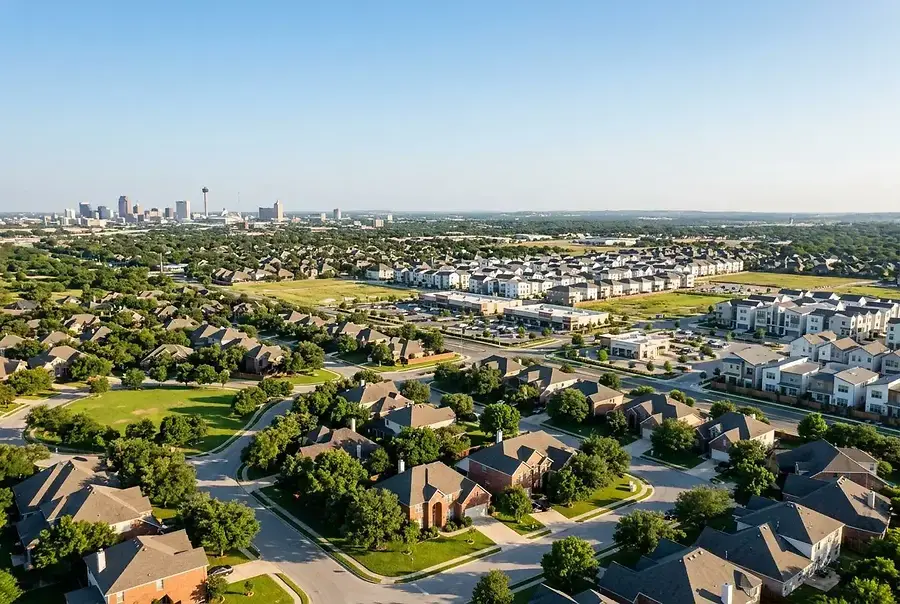
San Antonio continues to attract new residents and investors, driving steady appreciation in many neighborhoods. The city's diverse economy, cultural attractions, and relatively affordable cost of living compared to other major Texas metros have made it increasingly desirable. Key neighborhoods are experiencing renewed interest, with properties in established areas commanding premium prices while emerging neighborhoods offer growth potential.
The market shows particular strength in:
- Urban core revitalization: Downtown and near-downtown areas are seeing increased investment and development
- Family-oriented suburbs: Communities with excellent schools and parks continue to attract buyers
- Mixed-use developments: Properties near new commercial and retail centers are gaining value
Del Rio and Regional Communities
Del Rio and surrounding South Texas communities are experiencing their own market dynamics. These areas offer more affordable entry points for homebuyers while maintaining strong community values. Recent infrastructure improvements and economic development initiatives are beginning to positively impact property values in these regions.
Notable trends include:
- Increased interest from remote workers seeking affordable housing with quality of life
- Growing investment in local amenities and community infrastructure
- Steady demand from both local buyers and those relocating from higher-cost areas
Regional Economic Factors
The broader South Texas economy continues to influence residential real estate. Employment opportunities in healthcare, education, technology, and energy sectors provide stability and growth potential. Population migration patterns, both within Texas and from other states, continue to shape demand across the region.
Factors Influencing Home Values in Your Neighborhood
Location and Accessibility
Location remains the cornerstone of real estate value. Proximity to employment centers, schools, shopping, and entertainment significantly impacts property values. Neighborhoods with good access to major highways and public transportation tend to maintain stronger values. Additionally, the character and walkability of a neighborhood play increasingly important roles in attracting buyers.
School Districts and Education
School quality is consistently one of the top factors influencing home values. Families prioritize neighborhoods with strong school districts, and this demand directly translates to higher property values. Even buyers without school-age children recognize that homes in good school districts maintain better resale value.
Infrastructure and Development
New infrastructure projects, commercial developments, and community improvements can significantly boost neighborhood property values. Planned expansions of roads, utilities, and public services often precede appreciation in surrounding residential areas. Conversely, neighborhoods facing infrastructure challenges may see slower appreciation or stagnation.
Property Condition and Age
The condition of individual properties directly affects their market value. Well-maintained homes with modern updates command premium prices, while properties requiring significant repairs may sell at discounts. The age of the home, its architectural style, and the quality of construction all influence buyer perception and pricing.
Market Supply and Demand
Like any market, real estate responds to supply and demand dynamics. Neighborhoods with limited inventory and high buyer demand typically see faster appreciation. Conversely, areas with abundant inventory may experience slower growth or price adjustments. Understanding these dynamics helps predict future market movements in your area.
Economic and Employment Trends
Local employment opportunities and economic stability provide the foundation for sustained real estate values. Areas with diverse job markets and growing employers tend to attract more residents and maintain stronger property values. Economic downturns or major employer relocations can negatively impact neighborhood values.
Community Amenities and Quality of Life
Parks, recreation facilities, cultural attractions, and dining options enhance neighborhood appeal. Communities that invest in quality-of-life amenities attract more buyers and command higher prices. The overall character and reputation of a neighborhood significantly influence its desirability and property values.
Using Market Knowledge to Make Informed Real Estate Decisions
For Homeowners
Understanding your local market helps you make strategic decisions about home improvements and timing. If your neighborhood is appreciating, maintaining your property becomes even more important to capture that growth. Knowing market trends also helps you understand your home's current value and plan for the future.
For Buyers
Market knowledge empowers you to identify opportunities and avoid overpaying. By understanding neighborhood trends and what drives values, you can make purchases that align with your long-term goals. Consider not just current prices, but the potential for future appreciation based on local factors.
For Investors
Real estate investors benefit tremendously from understanding market dynamics. Identifying emerging neighborhoods with strong growth potential or established areas with stable returns requires data-driven analysis. The South Texas market offers diverse opportunities for different investment strategies.
Key Takeaways
The South Texas real estate market is multifaceted, with different communities experiencing different trends. Success in real estate—whether buying, selling, or investing—requires understanding the specific factors that influence your local market. By staying informed about economic conditions, infrastructure developments, and neighborhood characteristics, you can make decisions that align with your goals and maximize your real estate outcomes.
The bottom line: Your local real estate market is shaped by numerous interconnected factors. By understanding these drivers, you position yourself to make smarter decisions about one of life's most significant investments. Whether you're in San Antonio, Del Rio, or anywhere across South Texas, knowledge is your most valuable tool in navigating the residential real estate landscape.