The True Value of a Professional Home Inspection
Buying a home is likely the largest financial decision you'll ever make. Yet many homebuyers skip or rush through the inspection process, hoping everything will be fine. This is a costly mistake. A professional home inspection typically costs between $300 and $500, but the problems it uncovers can save you tens of thousands of dollars in unexpected repairs and replacements.
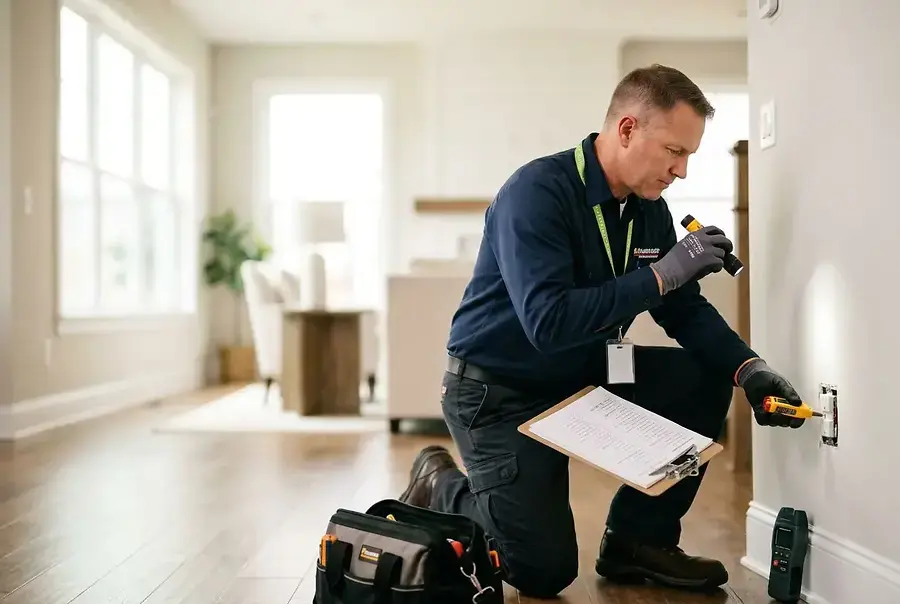
Think of a home inspection as insurance for your investment. A certified inspector spends 2-3 hours examining every major system in the house—from the foundation to the roof, the electrical system to the plumbing, and everything in between. They're trained to spot issues that untrained eyes would miss, issues that could become serious problems after you've signed the closing papers.
The reality is simple: what you don't know about a house will cost you. Problems hidden behind walls, in attics, or beneath the foundation don't disappear just because you didn't see them during your walkthrough. They only get worse, and more expensive to fix.
Critical Problems Discovered During Inspections That Affect Your Decision
Structural Issues and Foundation Problems
One of the most expensive problems an inspector can find is structural damage or foundation issues. Cracks in the foundation, settling problems, or water damage can cost $10,000 to $50,000 or more to repair. Without an inspection, you might not notice these problems until after closing, when they become your responsibility.
Inspectors look for:
- Foundation cracks and their severity
- Signs of water intrusion or moisture damage
- Uneven floors or doors that don't close properly
- Bowing walls or other structural concerns
Roofing and Water Damage
A roof replacement can easily cost $8,000 to $25,000 depending on the size and materials. Inspectors evaluate the roof's age, condition, and remaining lifespan. They also check for leaks, missing shingles, and signs of water damage in the attic and ceilings.
Water damage is particularly insidious because it spreads silently, affecting insulation, framing, and creating conditions for mold growth. An inspection can catch these problems before they become catastrophic.
Electrical and Plumbing Systems
Outdated or faulty electrical systems pose safety risks and can be expensive to upgrade. Similarly, old plumbing systems may have corroded pipes, inadequate water pressure, or hidden leaks. These issues can cost thousands to address and may require permits and professional contractors.
Inspectors test outlets, check the electrical panel, and evaluate the plumbing system's overall condition and functionality.
HVAC System Failures
Heating, ventilation, and air conditioning systems are critical for comfort and can cost $5,000 to $15,000 to replace. An inspection reveals the age of the system, its condition, and whether it's operating efficiently. A failing HVAC system discovered after closing becomes your immediate expense.
Pest Infestations and Mold
Termites, rodents, and other pests can cause structural damage worth thousands. Mold growth indicates moisture problems and poses health risks. These issues require specialized treatment and remediation, often costing $2,000 to $10,000 or more.
How Inspection Reports Give You Negotiating Power and Peace of Mind
Leverage in Negotiations
A detailed inspection report is your most powerful negotiating tool. When problems are discovered, you have several options:
- Request repairs: Ask the seller to fix issues before closing
- Request credits: Negotiate a credit toward closing costs to handle repairs yourself
- Renegotiate the price: Use the inspection findings to justify a lower offer
- Walk away: If problems are too severe, you can exit the deal without penalty
Without an inspection, you have no leverage. You're simply accepting the house as-is, with all its hidden problems.
Understanding Your Investment
An inspection report provides a comprehensive overview of your future home's condition. You'll know exactly what systems are in good shape, what needs attention soon, and what might fail in the coming years. This knowledge allows you to budget for future repairs and plan maintenance accordingly.
A thorough inspection report transforms you from a blind buyer into an informed one. You're no longer guessing about the house's true condition—you have expert documentation.
Peace of Mind
Perhaps most importantly, an inspection gives you peace of mind. You're not lying awake at night wondering if that crack in the basement will become a major problem. You know the condition of your investment, and you've made your decision with full information.
If the inspection reveals no major issues, you can move forward with confidence. If it reveals problems, you can address them before closing or negotiate accordingly. Either way, you're protected.
Protecting Your Investment Through Thorough Due Diligence
A home inspection is non-negotiable due diligence. It's the difference between buying a house blindly and making an informed investment decision. The small cost of an inspection is negligible compared to the potential savings.
Consider these final points:
- Always hire a certified, licensed inspector with good reviews and experience
- Attend the inspection if possible to ask questions and learn about the property
- Review the inspection report carefully and ask your real estate agent to explain any concerns
- Use the report as a basis for negotiations or to make your final decision
- Keep the report for future reference and warranty purposes
Your home is your biggest asset. Protect it with a professional inspection. The thousands of dollars you save by catching problems early will far outweigh the modest cost of the inspection itself. Don't let hidden costs derail your dream home purchase—invest in knowledge, invest in an inspection, and invest in your financial security.