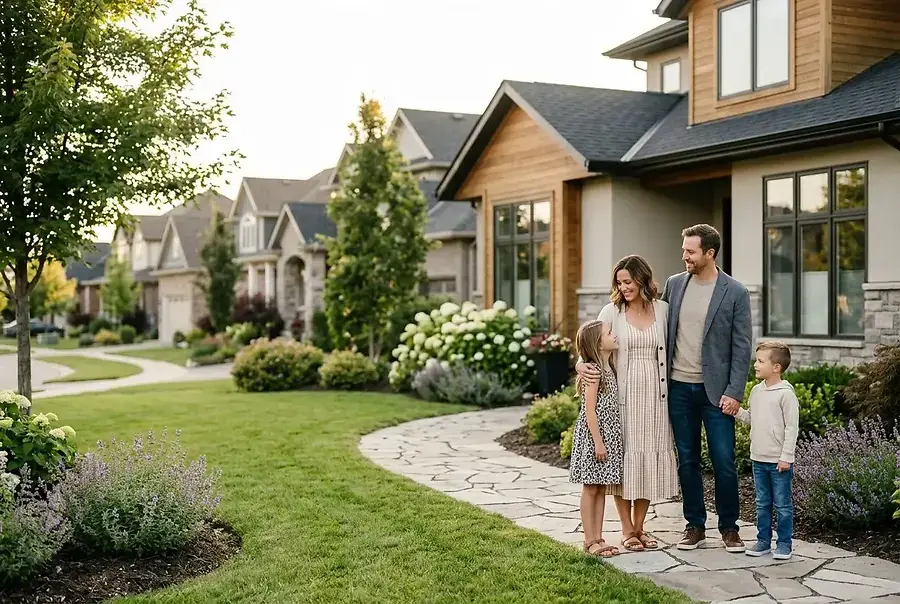
Introduction: Understanding Home Equity Growth
One of the most powerful wealth-building tools available to homeowners is property appreciation. Over time, residential properties tend to increase in value, creating equity that can be leveraged for financial security and future opportunities. Understanding the factors that drive this appreciation is essential for anyone looking to maximize their real estate investment and build lasting wealth through homeownership.
Home equity grows through two primary mechanisms: mortgage principal paydown and property value appreciation. While paying down your mortgage gradually increases your ownership stake, property appreciation can dramatically accelerate wealth accumulation. By understanding what drives property values upward, you can make strategic decisions that position your home for optimal long-term growth.
Market Factors That Drive Property Appreciation
Location and Neighborhood Dynamics
The old real estate adage "location, location, location" remains true for good reason. Properties in desirable neighborhoods with strong fundamentals consistently outperform others. Key location factors include:
- Proximity to amenities: Schools, parks, shopping centers, and entertainment venues increase neighborhood appeal
- Transportation access: Homes near public transit, highways, and major employment centers command premium prices
- Community development: Neighborhoods experiencing infrastructure improvements and new business growth see accelerated appreciation
- Safety and schools: Low crime rates and highly-rated schools are primary drivers of sustained property value growth
Supply and Demand Dynamics
Like any commodity, residential property values are influenced by basic economic principles. When demand for homes in a particular area exceeds available supply, prices naturally rise. Conversely, areas with abundant inventory may experience slower appreciation. Demographic trends play a crucial role—population growth, migration patterns, and generational preferences all shape local real estate markets.
Economic and Employment Growth
Strong local economies drive property appreciation. Areas experiencing job growth, business expansion, and rising incomes attract more buyers and renters, increasing demand for housing. When major employers relocate to a region or new industries establish themselves, property values typically follow suit. Economic stability and growth prospects are fundamental to long-term appreciation potential.
Interest Rates and Financing Conditions
Mortgage interest rates significantly impact home affordability and demand. When rates are low, more buyers can qualify for mortgages, increasing competition and driving prices upward. Conversely, rising rates can cool demand and slow appreciation. Understanding these broader economic trends helps homeowners anticipate market shifts and make informed decisions about timing.
Improvements and Upgrades That Increase Home Value
Strategic Home Renovations
While market forces are largely beyond individual control, homeowners can directly influence their property's value through strategic improvements. Not all renovations deliver equal returns, so prioritizing high-impact upgrades is essential:
- Kitchen and bathroom remodels: These spaces command the highest return on investment, often recouping 50-80% of renovation costs
- Curb appeal improvements: New roofing, fresh paint, landscaping, and updated entryways create strong first impressions
- Energy-efficient upgrades: Modern HVAC systems, insulation, windows, and solar panels appeal to environmentally-conscious buyers
- Structural repairs: Addressing foundation issues, roof damage, or plumbing problems prevents value depreciation
Maintenance and Preventive Care
Consistent maintenance is often overlooked but critically important for property appreciation. A well-maintained home retains value far better than one showing signs of neglect. Regular upkeep of roofing, plumbing, electrical systems, and exterior elements prevents costly problems that can significantly diminish property value. Documentation of maintenance and repairs also strengthens your home's appeal to future buyers.
Adding Functional Space
Increasing usable square footage through additions or finishing basements can substantially boost property value. However, these projects require careful planning to ensure they align with neighborhood standards and local building codes. A well-executed addition that matches the home's architectural style typically delivers strong returns.
Smart Technology and Modern Amenities
Today's homebuyers increasingly value smart home features, updated appliances, and modern conveniences. Installing smart thermostats, security systems, and energy-efficient appliances appeals to contemporary buyers and can justify higher asking prices. These upgrades also reduce utility costs, making homes more attractive to cost-conscious purchasers.
Conclusion: Leveraging Appreciation for Your Financial Future
Property appreciation represents a powerful mechanism for building wealth through homeownership. By understanding the market factors that drive value growth—location, supply and demand, economic conditions, and financing trends—you can make informed decisions about where and when to invest in residential real estate.
Equally important is recognizing that you're not entirely passive in this process. Strategic home improvements, diligent maintenance, and thoughtful upgrades can meaningfully enhance your property's value and appeal to future buyers. The combination of favorable market conditions and proactive homeownership creates an environment where equity builds steadily over time.
The most successful real estate investors understand that property appreciation is both an art and a science—requiring attention to market fundamentals while actively managing and improving their properties.
Whether you're a first-time homebuyer or an experienced property owner, focusing on long-term appreciation rather than short-term market fluctuations positions you for sustained financial success. By selecting properties in growth-oriented neighborhoods, maintaining your home diligently, and making strategic improvements, you can maximize equity growth and build a stronger financial foundation for your future.