Understanding the Forces Behind Property Appreciation
Real estate has long been considered one of the most reliable wealth-building investments available to homeowners. Yet not all properties appreciate at the same rate, and understanding why is crucial for anyone looking to maximize their investment returns. Property appreciation—the increase in a home's value over time—is driven by a complex interplay of factors ranging from market conditions to individual property characteristics.
Whether you're a first-time homebuyer, a seasoned investor, or simply curious about your home's potential value growth, understanding these drivers can help you make informed decisions about where to buy, what to improve, and when to invest. The good news is that many of these factors are within your control or can be anticipated through careful market analysis.
Location, Amenities, and Market Demand: The Primary Value Drivers
The Undeniable Power of Location
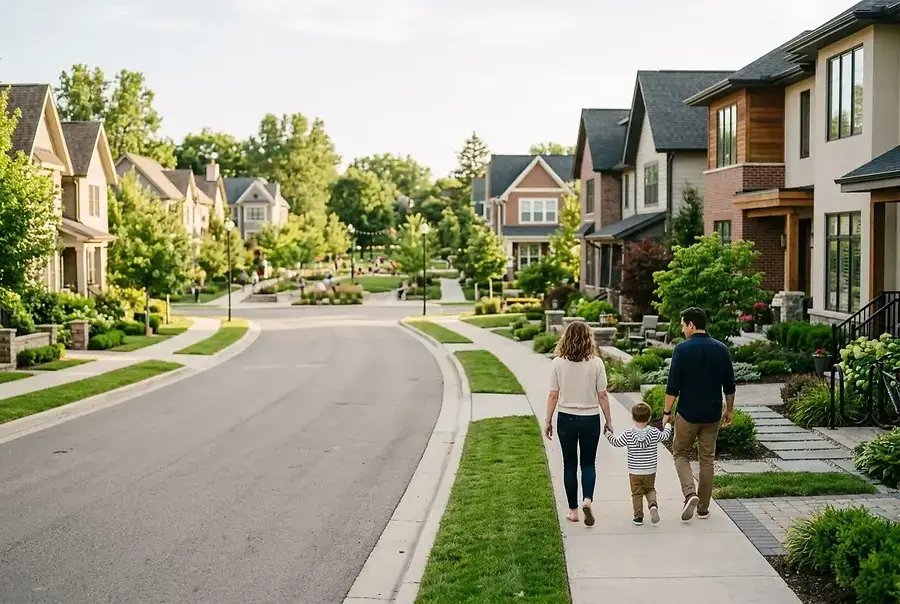
The real estate adage "location, location, location" exists for a reason. Location is arguably the single most important factor determining property appreciation. Homes in desirable neighborhoods with strong schools, low crime rates, and proximity to employment centers consistently outperform those in less desirable areas.
Consider these location-based value drivers:
- School Quality: Homes in top-rated school districts command premium prices and appreciate faster, even among buyers without children.
- Proximity to Employment: Properties near major job centers or with easy commute access attract more buyers and maintain stronger demand.
- Neighborhood Trends: Up-and-coming neighborhoods experiencing revitalization often see accelerated appreciation as infrastructure improves and new amenities arrive.
- Natural Features: Waterfront properties, homes with mountain views, or those near parks typically appreciate at higher rates.
Amenities That Command Premium Prices
Beyond the neighborhood itself, specific amenities significantly influence property values. Modern amenities and conveniences are increasingly important to today's homebuyers. Properties with updated kitchens, multiple bathrooms, home offices, and outdoor living spaces appeal to a broader buyer pool and justify higher asking prices.
Key amenities that drive appreciation include:
- Modern, well-designed kitchens with quality appliances
- Updated bathrooms with contemporary fixtures
- Energy-efficient systems and smart home technology
- Outdoor spaces like patios, decks, and landscaping
- Home offices and flexible living spaces
- Garage space and parking availability
Market Demand and Economic Factors
Property appreciation doesn't occur in a vacuum. Broader economic conditions, interest rates, and local market dynamics all play crucial roles. When demand for housing exceeds supply in a particular area, prices naturally rise. Conversely, oversupply can lead to stagnation or depreciation.
Markets with strong job growth, population increases, and limited housing inventory typically experience the most robust appreciation.
Savvy investors monitor these indicators to identify emerging opportunities before they become obvious to the general market. Migration patterns, new business developments, and infrastructure projects can signal upcoming appreciation potential.
Improvements and Maintenance: How Homeowners Build Equity Over Time
Strategic Home Improvements
While location sets the ceiling for a property's value, homeowners can significantly boost appreciation through strategic improvements. Not all renovations deliver equal returns, however. The most valuable improvements are those that address functional needs and appeal to the broadest range of potential buyers.
High-ROI improvements typically include:
- Kitchen Remodels: Often return 50-70% of investment and attract serious buyers
- Bathroom Updates: Modernizing bathrooms consistently delivers strong returns
- Roof and Foundation Repairs: Addressing structural issues prevents depreciation and builds buyer confidence
- Energy Efficiency Upgrades: New windows, insulation, and HVAC systems appeal to cost-conscious buyers
- Curb Appeal: Landscaping, exterior paint, and entryway improvements create positive first impressions
The Importance of Regular Maintenance
While dramatic renovations grab attention, consistent maintenance is equally important for sustained appreciation. A well-maintained home retains its value and avoids the depreciation that comes with deferred maintenance. Regular upkeep signals to potential buyers that the property has been cared for, reducing concerns about hidden problems.
Essential maintenance practices include:
- Regular HVAC servicing and filter changes
- Roof inspections and timely repairs
- Plumbing and electrical system checks
- Foundation monitoring and pest control
- Exterior maintenance including painting and sealing
- Appliance servicing and timely replacement
Building Equity Through Improvements
The relationship between improvements and appreciation is straightforward: quality improvements increase a home's market value and allow owners to build equity faster. Over time, homeowners who strategically invest in their properties see compounding returns as appreciation builds on their improvements.
The key is balancing investment with return. Luxury upgrades that appeal only to niche buyers may not deliver proportional value increases. Instead, focus on improvements that solve problems, modernize outdated features, and enhance livability for the broadest audience.
Using Market Insights to Guide Your Real Estate Decisions
Understanding property appreciation factors empowers you to make smarter real estate decisions. Whether you're buying your first home or building an investment portfolio, these insights provide a framework for evaluating opportunities.
Start by researching your local market: Study historical appreciation rates, identify neighborhoods with strong fundamentals, and monitor economic indicators. Look for areas where supply is limited but demand is growing—these conditions typically precede significant appreciation.
When evaluating specific properties, assess location quality, existing condition, and improvement potential. A property in an excellent location with deferred maintenance might offer better appreciation potential than a perfectly maintained home in a stagnant market.
Finally, remember that real estate appreciation is a long-term game. While short-term market fluctuations occur, properties in strong locations with well-maintained structures and desirable amenities tend to appreciate steadily over time. By understanding and leveraging these factors, you position yourself to build wealth through real estate.
The homes that appreciate fastest aren't accidents—they're the result of favorable location, strong market demand, and thoughtful investment in improvements and maintenance. By focusing on these proven drivers, you can identify opportunities and make decisions that build lasting wealth.