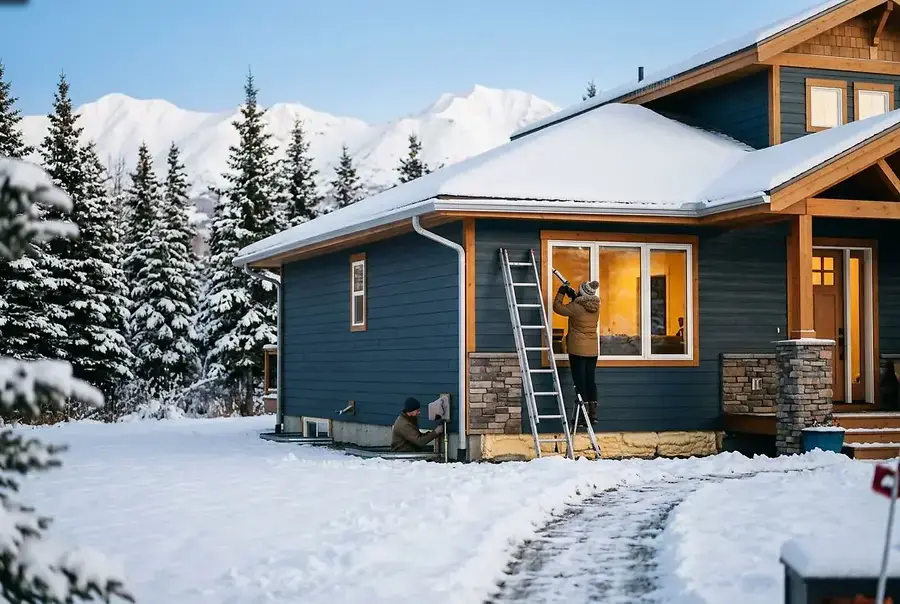
Why Winter Preparation Matters in Alaska's Climate
Alaska's winters are unforgiving, with temperatures plummeting well below freezing and snow accumulation reaching significant levels. For homeowners in Anchorage and the Mat-Su Valley, winter preparation isn't just a suggestion—it's a necessity. The extreme cold, heavy snow loads, and extended darkness create unique challenges that can damage your home's structure, systems, and foundation if left unaddressed.
Proper winterization protects your residential investment from costly damage. Frozen pipes can burst and cause thousands of dollars in water damage. Inadequate insulation forces heating systems to work overtime, driving up energy bills. Ice dams can damage roofing and gutters. By taking proactive steps now, you'll avoid emergency repairs during the coldest months when service calls are expensive and contractors are booked solid.
Critical Winterization Tasks for Your Home's Exterior and Interior
Roof and Gutter Maintenance
Your roof is your home's first line of defense against Alaska's winter weather. Inspect your roof for damaged or missing shingles and repair them before winter arrives. Clear gutters and downspouts of leaves and debris to ensure proper water drainage. Consider installing gutter guards to prevent ice dam formation, which occurs when melting snow refreezes at the roof's edge.
Check for proper roof ventilation and attic insulation, as these prevent heat loss and reduce ice dam risk. If your roof is older than 20 years, consult a professional about replacement options designed for heavy snow loads.
Window and Door Sealing
Air leaks around windows and doors account for significant heat loss during winter. Caulk any gaps or cracks around window frames and door jambs. Replace weatherstripping that's cracked, compressed, or missing. Consider upgrading to double or triple-pane windows if your home still has single-pane glass—the energy savings will pay for themselves over time.
Install door sweeps on exterior doors to prevent cold air infiltration. Don't forget about garage doors; ensure they're properly sealed and insulated.
Foundation and Exterior Inspection
Walk around your home's perimeter and look for cracks in the foundation, gaps where utilities enter the home, or spaces under decks and porches. These openings allow cold air and pests to enter. Seal foundation cracks with concrete caulk and use expanding foam to fill larger gaps. Ensure proper grading around your home so water drains away from the foundation rather than pooling and freezing.
Protecting Your Home's Systems: Heating, Plumbing, and Insulation
Heating System Preparation
Your heating system will work harder during Alaska winters than any other season. Schedule a professional HVAC inspection before the heating season begins. Have your furnace cleaned, filters replaced, and all components checked for proper operation. If you have a heat pump, ensure it's properly maintained for efficient cold-weather performance.
Test your thermostat to confirm it's functioning correctly. Consider upgrading to a programmable or smart thermostat that can reduce heating costs while maintaining comfort. Keep your furnace area clear of obstructions and ensure adequate ventilation.
Plumbing Protection
Frozen pipes are a serious concern in Alaska. Insulate exposed pipes in unheated areas like basements, crawl spaces, and attics using foam pipe insulation. For particularly vulnerable pipes, consider installing heat tape or heat cables. Disconnect and drain garden hoses, and shut off exterior water valves if your home has them.
Allow a small trickle of water to flow through pipes during extremely cold nights—moving water is less likely to freeze. Open cabinet doors under sinks to allow warm air circulation around pipes. If you have a vacation home or will be away for extended periods, drain the plumbing system or keep the heat on to prevent frozen pipes.
Insulation and Air Sealing
Proper insulation is crucial for maintaining interior temperatures and reducing heating costs. Check your attic insulation depth—Alaska homes typically need R-38 to R-60 insulation depending on location. If insulation is inadequate, add more before winter. Ensure attic vents aren't blocked by insulation, as proper ventilation prevents moisture buildup and ice dam formation.
Inspect basement and crawl space insulation as well. These areas lose significant heat if not properly insulated. Consider spray foam insulation for hard-to-reach areas and maximum efficiency.
Water Heater Maintenance
Drain sediment from your water heater annually to improve efficiency and extend its lifespan. Check the temperature setting—120°F is typically sufficient for safety and efficiency. Insulate the water heater tank and hot water pipes to reduce heat loss. If your water heater is more than 10 years old, consider replacement before winter to avoid emergency failures.
Year-Round Maintenance Planning for Alaska Homeowners
Create a Seasonal Maintenance Calendar
Successful home maintenance requires planning. Develop a seasonal checklist that includes tasks for each season. Spring and summer are ideal for roof repairs, exterior painting, and deck maintenance. Fall is the time for winterization tasks. Winter maintenance focuses on monitoring systems and addressing emergencies. Spring brings opportunities to assess winter damage and plan repairs.
Document and Track Maintenance
Keep detailed records of all maintenance and repairs. Document:
- HVAC service dates and filter changes
- Roof inspections and repairs
- Plumbing work and pipe insulation updates
- Insulation additions and air sealing projects
- Water heater maintenance
- Energy bills to track heating efficiency
This documentation helps you identify patterns, plan future maintenance, and provides valuable information if you sell your home.
Budget for Winter Preparedness
Winter preparation requires investment, but it's far less expensive than emergency repairs. Budget for professional inspections of your HVAC system, roof, and plumbing. Set aside funds for insulation upgrades, weatherstripping, and caulking supplies. Many of these expenses qualify for energy efficiency tax credits or rebates.
Build Relationships with Local Contractors
Establish relationships with reliable HVAC technicians, plumbers, and roofers before you need emergency service. Get recommendations from neighbors and friends in Anchorage and the Mat-Su area. Schedule maintenance appointments early in the season before contractors become overwhelmed with winter emergency calls.
Winterizing your Alaska home is an investment in comfort, safety, and financial security. By addressing these critical areas before winter arrives, you'll protect your home from damage, reduce energy costs, and ensure your family stays warm and safe through Alaska's longest, coldest season. Start your winterization checklist today and enjoy peace of mind when the snow falls.