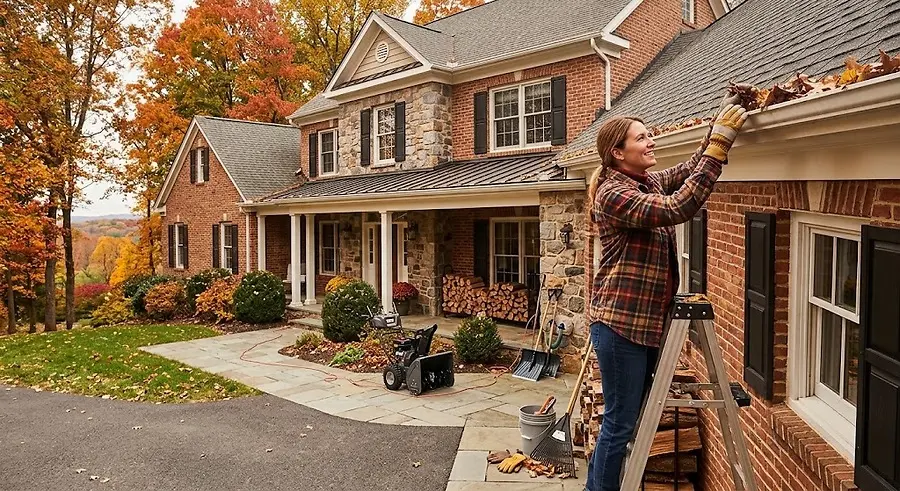
As fall settles into Fairfax County and the surrounding Northern Virginia communities, homeowners have an important opportunity to prepare their properties for the colder months ahead.
Freezing temperatures, winter storms, and icy conditions can create challenges for homes throughout the region, making seasonal maintenance an essential part of responsible homeownership.
Whether you plan to stay in your home for years or hope to sell in the coming months, a little preparation now can help protect your investment, improve comfort, and reduce the likelihood of unexpected repairs.
Here are Seven Practical Steps to Put on Your Fall Home Maintenance Checklist:
1. Schedule a Heating System Inspection
Before temperatures drop, make sure your heating system is ready to handle the demands of winter.
Schedule professional maintenance for your furnace or heat pump, replace dirty air filters, and check that your thermostat is functioning properly. Pay attention to unusual noises, inconsistent temperatures, or rooms that never seem to get warm enough.
Addressing these concerns early may prevent a more inconvenient and expensive problem during a cold spell.
If you have a fireplace or wood-burning stove, arrange for the chimney and flue to be inspected and cleaned as appropriate.
Proper maintenance helps your heating equipment operate safely and efficiently throughout the season.
2. Protect Your Pipes From Freezing
Frozen pipes can lead to significant water damage, particularly when temperatures remain below freezing for extended periods.
Pipes located in unheated basements, crawl spaces, garages, and exterior walls may be especially vulnerable. Before winter arrives, insulate exposed plumbing and seal gaps that allow cold air to reach pipes.
Disconnect garden hoses, shut off exterior water supplies where appropriate, and drain outdoor faucets according to the manufacturer's instructions.
It's also important to locate your home's main water shutoff valve. Knowing how to turn off the water quickly can make a substantial difference if a pipe bursts.
During severe cold, maintain adequate indoor heating and take additional precautions for vulnerable plumbing. If you plan to travel, arrange for someone to check on your property.
3. Inspect Your Roof, Gutters, and Drainage
Autumn leaves may look beautiful across Northern Virginia, but accumulated debris can create problems for your home's drainage system.
Clogged gutters and downspouts can prevent water from flowing away properly, increasing the risk of ice buildup, water intrusion, and damage around the foundation. Clear gutters and confirm that downspouts direct water away from the house. Inspect the roof for missing or damaged shingles, deteriorated flashing, and visible signs of leaks.
It's also worth checking the grading around your property to ensure water drains away from the foundation rather than collecting near the house.
If you notice damaged roofing, persistent moisture, or drainage concerns, consider having a qualified professional evaluate the issue before winter weather makes repairs more difficult.
4. Seal Drafts and Improve Energy Efficiency
Small gaps around windows, doors, and other openings can allow heated air to escape and cold air to enter. Over time, these drafts can make rooms uncomfortable and contribute to higher energy bills.
Inspect weatherstripping around exterior doors and apply appropriate caulk around stationary window frames where gaps are present. Check attic insulation and look for obvious openings around utility penetrations. You can also use heavier curtains in drafty rooms and keep them closed at night to help retain warmth.
These improvements do not necessarily require a major renovation.
Often, addressing a few problem areas can make your home more comfortable throughout the colder months.
5. Prepare Your Outdoor Spaces
Before the first hard freeze, take time to inspect the exterior of your property.
Trim damaged or overhanging branches that could threaten your roof, vehicles, or nearby structures during winter storms.
Store outdoor furniture, secure loose items, and inspect walkways for cracks or uneven surfaces that could become hazardous when covered with ice. If you have a deck, fence, retaining wall, or other outdoor structure, look for signs of deterioration that may worsen with repeated exposure to moisture and freezing temperatures.
Keep snow shovels, ice melt, and other winter supplies accessible before you need them.
Planning ahead can make it easier to maintain safe entrances and walkways when conditions change quickly.
6. Check Safety Equipment and Emergency Supplies
Winter preparation should include more than the physical condition of your home.
Heating equipment, power outages, and severe weather can create safety concerns that are easier to address before an emergency occurs.Test smoke alarms and carbon monoxide detectors, replacing batteries or devices as needed.
If your home has a fireplace, fuel-burning appliances, or an attached garage, functioning carbon monoxide detectors are particularly important.
Keep flashlights, spare batteries, first-aid supplies, bottled water, shelf-stable food, warm blankets, and essential medications available.
Consider how you would manage a temporary power outage, especially if anyone in your household depends on electrically powered medical equipment.
Fairfax County's winter weather guidance also recommends maintaining heating equipment, preparing for snow removal, and knowing how to shut off your home's water supply.
7. Think Ahead if You Plan to Sell Your Home
Winter maintenance can also support your future real estate goals.
Buyers want to see a home that has been cared for, and visible signs of deferred maintenance can raise questions during showings and inspections.
If you are considering selling, start by addressing functional concerns rather than immediately investing in expensive upgrades. Repair obvious leaks, replace burned-out light bulbs, touch up scuffed paint, and make sure doors and windows operate properly.
A thorough cleaning and a decluttered interior can make rooms feel brighter and more inviting during shorter winter days.
Outside, keep entrances clear, maintain walkways, and make sure the home's exterior looks cared for even after the landscaping becomes dormant.
It's also helpful to gather appliance manuals, warranties, maintenance records, and information about major systems. Having these documents organized can make it easier to answer buyer questions later.
You don't necessarily need a complete renovation to prepare your property for the market.
A thoughtful approach that prioritizes maintenance, cleanliness, and presentation can help you focus your time and money where they are most useful.
A Little Preparation Goes a Long Way
Preparing your home for winter is about more than staying warm. It's an opportunity to protect your property, prevent avoidable damage, and enter the colder months with greater peace of mind.
For homeowners throughout Fairfax County and Northern Virginia, the best approach is to start early, address maintenance concerns before they become urgent, and create a seasonal routine that works for your property.
Whether you're settling in for another winter or beginning to think about your next move, taking care of your home today can help you feel more confident about tomorrow.
A well-maintained home is an investment worth protecting in every season.