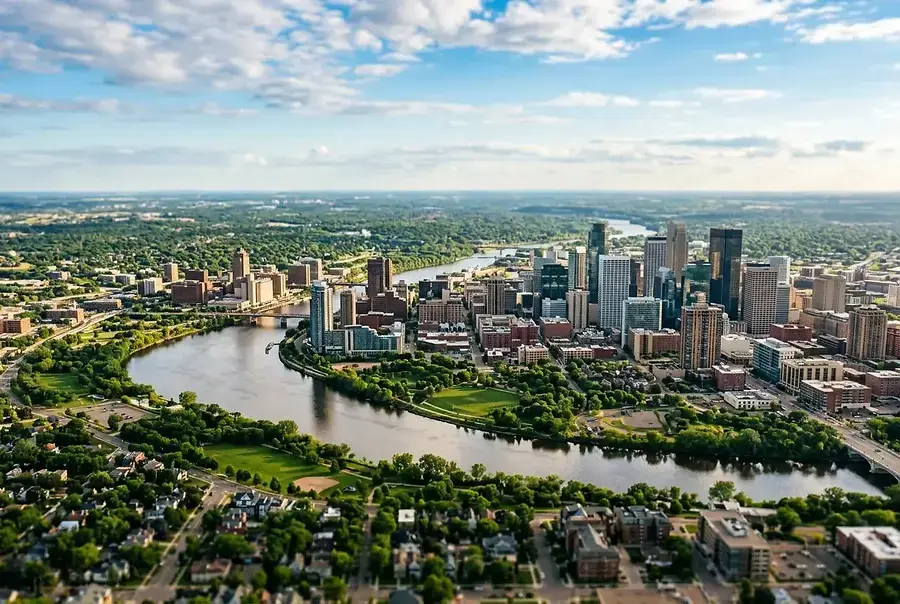
Introduction: Why Relocate to the Twin Cities Metropolitan Area
The Twin Cities metropolitan area has become one of the most attractive relocation destinations in the United States. Minneapolis and St. Paul offer a unique blend of urban sophistication, suburban comfort, and small-town charm that appeals to families, young professionals, and retirees alike. With a thriving job market, excellent schools, vibrant cultural scene, and affordable cost of living compared to other major metropolitan areas, it's no wonder thousands of people choose to call the Twin Cities home each year.
Whether you're drawn by career opportunities, quality of life, or the region's natural beauty, relocating to the Twin Cities is an exciting opportunity. This guide will help you navigate the moving process and settle into your new community with ease.
Choosing Your Perfect Neighborhood: From Urban Minneapolis to Suburban Stillwater
Urban Living in Minneapolis
Minneapolis offers dynamic neighborhoods perfect for those seeking an urban lifestyle. Downtown Minneapolis features modern lofts, walkable streets, and proximity to entertainment venues. The Northeast Minneapolis area has transformed into a creative hub with art galleries, breweries, and trendy restaurants. Uptown attracts young professionals with its nightlife, shopping, and dining options.
For families, South Minneapolis neighborhoods like Calhoun-Isles and Powderhorn Park offer tree-lined streets, parks, and strong community connections. These areas provide excellent access to schools and recreational facilities.
St. Paul's Charming Neighborhoods
St. Paul combines historic character with modern amenities. Summit Hill features beautiful Victorian homes and tree-canopied streets, making it ideal for those seeking established neighborhoods. Cathedral Hill offers cultural attractions and proximity to downtown. The West Side is known for its diverse community and affordable housing options.
Suburban Excellence: Edina, Wayzata, and Beyond
The suburbs surrounding the Twin Cities provide excellent options for families prioritizing schools and space:
- Edina - Known for top-rated schools and family-friendly neighborhoods with excellent parks and recreation
- Wayzata - Offers lakefront living with upscale amenities and highly-rated schools
- Stillwater - A charming river town with historic downtown, boutique shopping, and strong community feel
- Bloomington - Home to the Mall of America and diverse neighborhoods with good value
- Minnetonka - Features beautiful lakes, excellent schools, and suburban comfort
Evaluating Your Ideal Neighborhood
When choosing your neighborhood, consider these factors:
- Commute time to your workplace or school
- School quality if you have children
- Access to parks and recreation for outdoor activities
- Community amenities like shopping, dining, and entertainment
- Housing costs and property values
- Neighborhood character and demographics
Essential Moving Logistics and Local Resources for New Residents
Practical Moving Steps
Begin your relocation by researching moving companies with strong Twin Cities experience. Schedule your move during off-peak seasons (fall or winter) for better rates. Update your address with the postal service, banks, insurance companies, and employers at least two weeks before moving.
Connect with utility providers early—electricity, gas, water, and internet services require advance scheduling. Many Twin Cities neighborhoods have specific utility providers, so research your area's options beforehand.
Getting to Know Your Community
Once you've arrived, take time to explore your neighborhood. Visit local coffee shops, parks, and community centers. Attend neighborhood events and farmers markets to meet neighbors and learn about local culture.
Join community groups and organizations aligned with your interests. The Twin Cities has active groups for everything from hiking and cycling to book clubs and professional networking. These connections help you build a social network quickly.
Essential Local Resources
- Minneapolis and St. Paul Parks and Recreation - Offer extensive programs, classes, and facility access
- Public Libraries - Excellent resources for community information, programs, and services
- School Districts - Contact your local district for enrollment and program information
- Chamber of Commerce - Provides business networking and community information
- Neighborhood Associations - Connect you with local issues and community events
- Healthcare Providers - The Twin Cities has world-class medical facilities including Mayo Clinic partnerships
Transportation and Getting Around
The Twin Cities offers multiple transportation options. Metro Transit provides comprehensive bus and light rail service throughout the metropolitan area. Many neighborhoods are bike-friendly, with extensive trail systems perfect for cycling and walking. If you prefer driving, highways and roads are well-maintained, though rush hour traffic can be significant on major corridors.
Financial and Administrative Considerations
Update your driver's license and vehicle registration with the Minnesota Department of Public Safety. Research Minnesota's tax structure, which includes state income tax and property taxes. Open a local bank account and update your address with all financial institutions. If you own a home, connect with local real estate professionals to understand property values and market trends in your neighborhood.
Conclusion: Starting Your New Chapter in the Twin Cities
Relocating to the Twin Cities is an exciting opportunity to join a vibrant, welcoming community. By carefully selecting your neighborhood, understanding local resources, and taking time to connect with your new community, you'll settle in smoothly and begin enjoying everything the Twin Cities has to offer.
Whether you choose the energy of urban Minneapolis, the charm of St. Paul, or the family-friendly suburbs, the Twin Cities provides an excellent quality of life with abundant opportunities for growth, connection, and happiness. Welcome to your new home!
