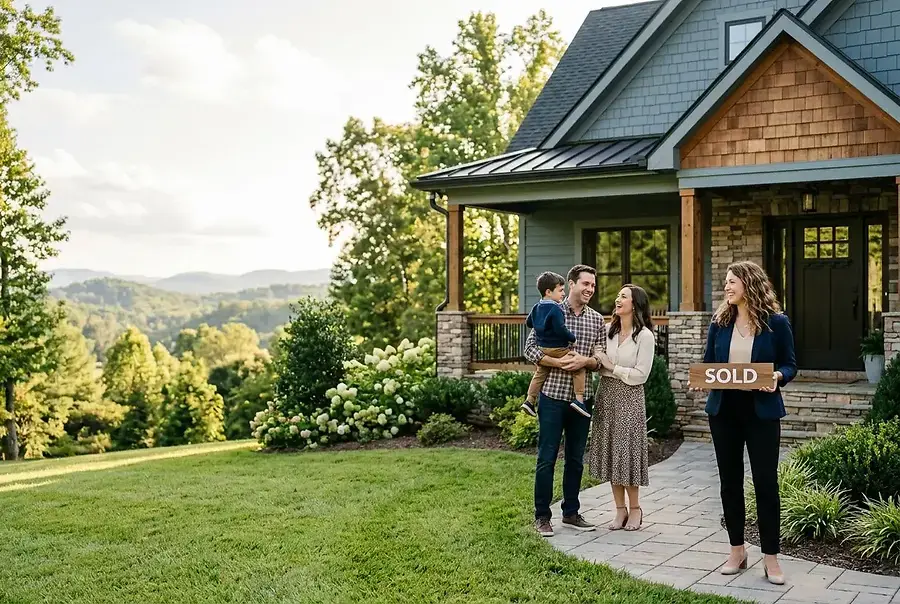
Understanding the Upstate South Carolina Residential Market: Key Neighborhoods and Price Points
The Upstate South Carolina residential market has experienced remarkable growth over the past several years, attracting homebuyers from across the nation. The region offers a unique blend of affordability, quality of life, and economic opportunity that appeals to families, professionals, and retirees alike.
Anderson remains one of the most affordable entry points into the Upstate market, with homes ranging from $150,000 to $350,000 for quality properties. The downtown revitalization has created renewed interest in historic neighborhoods and modern developments alike.
Greenville represents the premium end of the market, with homes typically ranging from $250,000 to $600,000 and beyond. The city's vibrant downtown, excellent schools, and cultural amenities command higher prices, but the investment often reflects strong appreciation potential.
Easley, Simpsonville, and Mauldin offer middle-ground pricing, typically between $200,000 and $450,000, making them attractive for families seeking suburban comfort with reasonable price points. These communities provide excellent schools and family-friendly amenities.
Smaller communities like Williamston, Pelzer, Piedmont, Boiling Springs, Woodruff, Fountain Inn, Duncan, and Lyman offer charming, small-town living with homes generally priced between $120,000 and $300,000. These areas appeal to buyers seeking quieter lifestyles while maintaining proximity to larger employment centers.
What to Look for When Evaluating Homes in Upstate South Carolina
Location and Community Features
Beyond the home itself, evaluate the neighborhood's trajectory. Look for signs of investment—new businesses, improved infrastructure, and community development projects. Consider proximity to your workplace, quality schools, shopping, and recreational facilities.
Each community has distinct character:
- Greenville: Urban amenities, walkable downtown, cultural attractions
- Anderson: Historic charm, downtown renaissance, affordability
- Easley & Simpsonville: Family-oriented, excellent schools, suburban convenience
- Smaller towns: Rural character, tight-knit communities, lower density living
Home Condition and Inspection
Never skip a professional home inspection. Upstate homes range from newly constructed to historic properties, each with unique considerations. Older homes may have charm but require attention to electrical systems, plumbing, and structural integrity. Newer homes should be verified for proper construction and warranty coverage.
Pay special attention to:
- Foundation condition and any signs of settling
- Roof age and condition
- HVAC system functionality and age
- Water damage or moisture issues
- Electrical and plumbing systems
Market Timing and Price Analysis
The Upstate market moves quickly. Comparable sales analysis is essential—your real estate agent should provide detailed market data showing what similar homes have sold for recently. Don't rely solely on listing price; understand the actual market value in your target neighborhood.
Common Mistakes Home Buyers Make and How to Avoid Them
Mistake #1: Getting Pre-Approved Too Late
Many buyers begin house hunting before securing pre-approval. This wastes time and weakens your negotiating position. Get pre-approved before you start looking—it shows sellers you're serious and helps you understand your actual budget.
Mistake #2: Overextending Your Budget
Just because a lender approves you for a certain amount doesn't mean you should borrow it. Consider property taxes, insurance, HOA fees, and maintenance costs. A good rule: your total housing costs shouldn't exceed 28% of gross monthly income.
Mistake #3: Ignoring Future Resale Value
Buy with an eye toward the future. Avoid homes with unusual features or in neighborhoods showing decline. Even if you plan to stay long-term, life circumstances change. Choose properties with broad appeal and strong appreciation potential.
Mistake #4: Skipping the Home Inspection
Never waive inspections to make an offer more competitive. A $400 inspection can save you thousands in unexpected repairs. The inspection also provides negotiating leverage for addressing discovered issues.
Mistake #5: Making Major Purchases Before Closing
Avoid buying furniture, cars, or taking on new debt before your mortgage closes. Lenders review credit reports before final approval, and new debt can affect your loan terms or approval status.
Mistake #6: Not Understanding Local Market Dynamics
Each Upstate community has unique market characteristics. What works in Greenville may not apply to Williamston. Work with a local agent who understands neighborhood-specific trends, school ratings, and development plans.
Taking Your Next Step: Getting Pre-Approved and Making an Offer
The Pre-Approval Process
Pre-approval involves submitting financial documentation to a lender who verifies your income, credit, and assets. You'll receive a pre-approval letter stating the maximum amount you can borrow. This typically takes 3-5 business days and is valid for 60-90 days.
Gather these documents:
- Recent pay stubs and W-2s (last 2 years)
- Bank statements (last 2-3 months)
- Tax returns (last 2 years)
- Employment verification letter
- List of debts and monthly obligations
Making a Competitive Offer
Once you've found your home, your agent will help craft an offer. In the Upstate market, competitive offers typically include:
- Earnest money deposit: Usually 1-2% of purchase price
- Inspection contingency: Protects you if issues are discovered
- Financing contingency: Allows you to back out if financing falls through
- Appraisal contingency: Protects you if the home appraises below offer price
- Clear closing timeline: Typically 30-45 days
Your offer should be competitive but realistic. Your agent's market analysis will guide appropriate pricing. In hot markets, multiple offers are common—be prepared to act quickly and decisively.
From Offer to Closing
After your offer is accepted, you'll enter the due diligence period. Schedule your inspection within the first week. If issues arise, negotiate repairs or credits with the seller. Your lender will order an appraisal to ensure the property value supports the loan amount.
Approximately one week before closing, you'll receive your Closing Disclosure detailing final loan terms and costs. Review this carefully and ask questions about anything unclear. Your closing attorney will guide you through the final steps, and soon you'll have the keys to your new Upstate South Carolina home.
Final Thoughts
Buying a home in Upstate South Carolina is an exciting opportunity. Whether you're drawn to Greenville's urban energy, Anderson's affordability, or the quiet charm of smaller communities, this region offers something for every buyer. By understanding the market, avoiding common mistakes, and working with experienced local professionals, you'll be well-positioned to make a confident, informed decision that sets the foundation for your family's future.