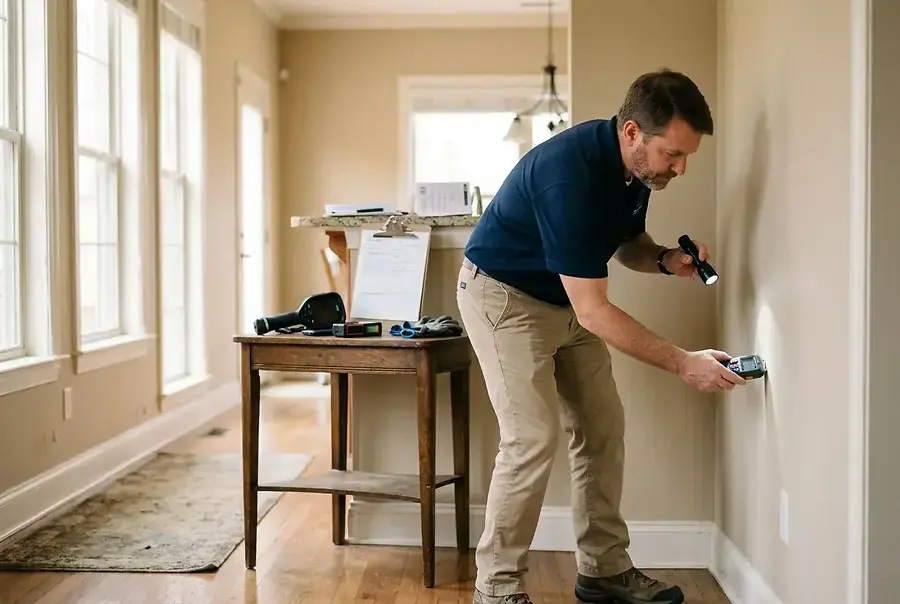
Why Home Inspections Matter in Little Rock
Purchasing a home is one of the most significant investments you'll make in your lifetime. In Little Rock's competitive real estate market, a professional home inspection serves as your safeguard against unforeseen problems that could cost thousands of dollars to repair. Whether you're buying a historic Victorian home or a modern suburban property, understanding what inspectors look for can help you make informed decisions and negotiate better terms with sellers.
A comprehensive home inspection typically takes two to three hours and covers every major system and component of the property. The inspector will evaluate the condition of the home and provide you with a detailed report that becomes invaluable during negotiations. Many homebuyers skip this crucial step to save money, but this decision often leads to expensive repairs after closing.
Key Structural and Foundation Issues to Inspect
Foundation and Basement Concerns
Little Rock's clay-heavy soil and variable moisture levels make foundation issues particularly important to assess. During your inspection, look for:
- Cracks in the foundation – Small hairline cracks are normal, but larger cracks or those that are widening may indicate serious structural problems
- Water damage and moisture – Staining, efflorescence (white mineral deposits), or active water seepage suggests poor drainage or foundation leaks
- Uneven floors – Walking through the home and noticing sloping or sagging floors can indicate foundation settlement
- Bowing walls – Walls that curve inward suggest pressure from soil or water pushing against the foundation
Roof and Exterior Condition
The roof is your home's first line of defense against the elements. In Little Rock's humid subtropical climate, roofs face significant wear from weather exposure. Your inspector should examine:
- Age and condition of roofing materials
- Missing, cracked, or curling shingles
- Proper ventilation and attic conditions
- Gutters and downspout functionality
- Flashing around chimneys and vents
Walls and Structural Framing
Inspectors will assess the integrity of exterior walls, checking for rot, pest damage, and proper construction. Termite damage is particularly common in Arkansas, so a thorough inspection of wood framing and siding is essential. Look for evidence of previous pest infestations and verify that any treatments have been properly completed.
Systems and Safety Features Every Buyer Should Verify
Electrical Systems
An outdated or faulty electrical system poses serious safety risks and may require expensive upgrades. Your inspector will check:
- The main electrical panel and circuit breakers
- Proper grounding and bonding
- Presence of GFCI outlets in kitchens and bathrooms
- Overall condition of visible wiring
- Adequate capacity for modern electrical demands
Homes with outdated knob-and-tube wiring or aluminum wiring may require replacement, which can be costly.
Plumbing and Water Systems
Water-related issues are among the most expensive problems homeowners face. The inspector will evaluate:
- Water pressure and flow throughout the home
- Condition of pipes and potential for leaks
- Water heater age, condition, and capacity
- Septic system functionality (if applicable)
- Drainage and sump pump operation
Pay special attention to the age of the water heater, as replacement can cost $1,000 to $2,500 depending on the type and installation requirements.
HVAC Systems
Heating and cooling systems are critical for comfort in Little Rock's climate. Your inspector will assess:
- Age and condition of the furnace and air conditioning unit
- Proper operation and efficiency
- Ductwork condition and insulation
- Thermostat functionality
Replacing an HVAC system can easily exceed $5,000, so understanding its remaining lifespan is crucial for budgeting.
Safety Features
Don't overlook critical safety elements:
- Smoke and carbon monoxide detectors – Verify they're present and functional
- Fire extinguishers – Check accessibility and expiration dates
- Stair railings and handrails – Ensure they meet safety codes
- Deck and porch safety – Inspect for structural integrity and proper railings
Insulation and Ventilation
Proper insulation affects energy efficiency and comfort. The inspector will check attic insulation levels, basement insulation, and overall ventilation to prevent moisture problems and reduce utility costs.
Making Informed Decisions with Inspection Results
Once you receive the inspection report, take time to review it thoroughly. Don't panic over minor issues – every home has some wear and tear. Instead, focus on major structural problems, safety concerns, and systems that may need replacement soon.
Use the inspection report as a negotiation tool. If significant issues are discovered, you have several options:
- Request that the seller make repairs before closing
- Ask for a credit toward repairs you'll handle yourself
- Negotiate a lower purchase price to account for necessary repairs
- Walk away from the deal if problems are too extensive
Consider hiring a specialist inspector for specific concerns. If the general inspector notes potential foundation problems, electrical issues, or pest damage, a specialized inspector can provide more detailed analysis and cost estimates for repairs.
Remember that a home inspection is an investment in your peace of mind. The cost of a thorough inspection – typically $300 to $500 – is minimal compared to the potential savings from identifying problems before purchase. In Little Rock's diverse housing market, whether you're buying a charming historic home or a newer construction property, a comprehensive inspection ensures you're making a sound investment in your future.
"A home inspection isn't just about finding problems – it's about understanding the true condition of your investment and making decisions based on facts, not assumptions."