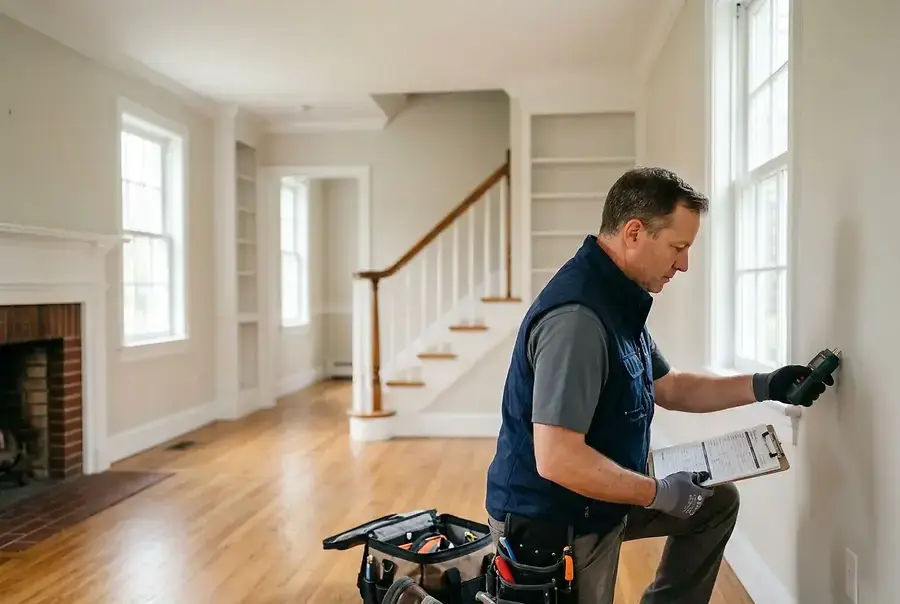
Why Professional Home Inspections Matter in Pennsylvania
Purchasing a home is one of the most significant financial decisions you'll make in your lifetime. In Pennsylvania, particularly in competitive markets like Bucks and Montgomery County, a professional home inspection is not just a recommendation—it's essential protection for your investment. A thorough inspection can reveal hidden problems that could cost thousands of dollars to repair after closing.
Home inspections serve as your objective evaluation of a property's condition. Unlike the seller or real estate agent, a certified home inspector has no financial interest in the sale and provides an unbiased assessment of the home's structural integrity, mechanical systems, and overall safety. This detailed report gives you the information needed to make informed decisions about your purchase.
Critical Areas to Evaluate During Your Home Inspection
Foundation and Structural Components
The foundation is the backbone of any home. During your inspection, look for cracks in the foundation, water damage, or signs of settling. Pennsylvania's climate, with its freeze-thaw cycles, can be particularly harsh on foundations. Check basement walls for horizontal cracks, which indicate more serious structural problems than vertical cracks.
Inspect the crawl space or basement for:
- Water intrusion or moisture accumulation
- Mold or mildew growth
- Proper grading around the foundation
- Adequate drainage systems
Roof and Exterior
The roof protects everything beneath it, making its condition critical. Examine shingles for curling, missing pieces, or excessive wear. In Pennsylvania, where weather can be unpredictable, a well-maintained roof is essential. Check the flashing around chimneys, vents, and skylights, as these are common leak points.
Don't overlook the exterior components:
- Siding condition and water damage
- Gutters and downspouts functionality
- Windows and doors for proper sealing
- Deck or porch structural integrity
Plumbing Systems
Water damage is one of the most expensive problems homeowners face. Test all faucets, check for leaks under sinks, and inspect the water heater for age and condition. Ask about the age of the plumbing system—older homes may have outdated pipes that need replacement.
Key plumbing concerns include:
- Water pressure and flow consistency
- Signs of corrosion or rust
- Proper venting of drain lines
- Septic system condition (if applicable)
Electrical Systems
Electrical safety is paramount. Verify that the home has adequate electrical service for modern living. Older homes may have outdated panels or insufficient outlets. Look for aluminum wiring, which poses fire hazards, and ensure all outlets are properly grounded.
Electrical inspection checklist:
- Panel capacity and condition
- GFCI outlets in wet areas
- Proper grounding throughout
- No visible damage to wiring
HVAC and Climate Control
Heating and cooling systems are essential in Pennsylvania's variable climate. Determine the age of the furnace and air conditioning unit. Systems typically last 15-20 years, so older units may need replacement soon. Request maintenance records and ensure the system is properly sized for the home.
Red Flags and Warning Signs Every Buyer Should Know
Water Damage and Moisture Issues
Water stains on ceilings, walls, or in basements indicate past or ongoing leaks. Mold growth is a serious health concern and can be expensive to remediate. Pay special attention to areas around windows, doors, and the roof line where water commonly enters.
Pest Infestations
Look for evidence of termites, carpenter ants, or rodents. These pests can cause significant structural damage over time. Termite damage is particularly concerning in Pennsylvania and may require professional treatment and repairs.
Outdated or Unsafe Systems
Homes with knob-and-tube wiring, asbestos insulation, or lead paint require special attention and potentially expensive remediation. While older homes have character, updating these hazardous systems is crucial for safety and insurance purposes.
Poor Ventilation and Air Quality
Inadequate ventilation in bathrooms and kitchens can lead to moisture problems and mold growth. Ensure the home has proper exhaust systems and attic ventilation to prevent moisture accumulation.
Deferred Maintenance
Neglected maintenance is a red flag that suggests other hidden problems may exist. If the exterior is poorly maintained, the interior systems may also be neglected. Ask for documentation of recent repairs and maintenance work.
Making Informed Decisions Before Closing
Once you receive your inspection report, take time to review it thoroughly. Don't panic over minor issues—every home has some wear and tear. Instead, focus on significant structural problems, safety hazards, and expensive system replacements.
Use your inspection report to:
- Negotiate repairs or credits with the seller for major issues
- Plan for upcoming maintenance and replacements
- Budget for necessary repairs after closing
- Verify that promised repairs are completed before closing
Consider hiring specialists for specific concerns. If the inspector identifies potential mold, radon, or structural issues, getting a second opinion from a specialist can provide peace of mind and accurate cost estimates for repairs.
Remember, a home inspection is an investment in your future. The cost of a professional inspection—typically $300-$500 in Pennsylvania—is minimal compared to the potential savings from identifying major problems before you commit to the purchase. By conducting a thorough evaluation and understanding what you're buying, you'll make a confident, informed decision that protects your investment for years to come.